Stocks● Neutral
Delhi Master Plan 2047 targets 40 lakh new homes in housing push
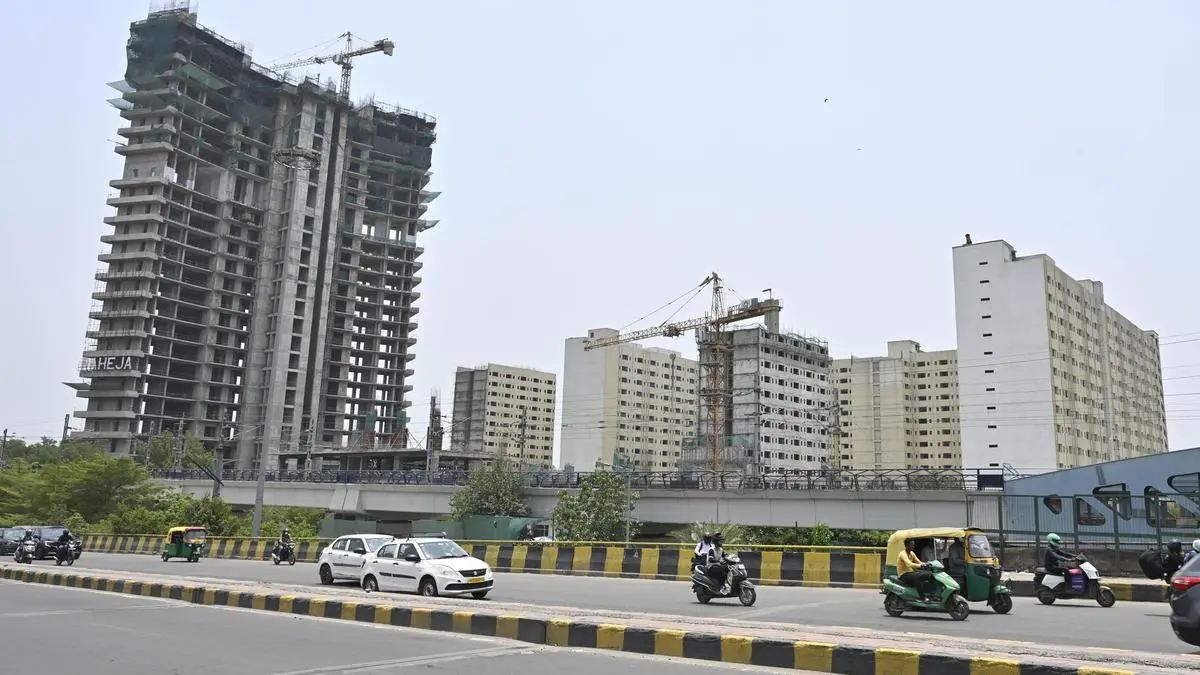
The DDA-approved draft Master Plan 2047 targets 40 lakh new homes through small-format units, affordable rentals, and TOD zones. Centre approval is expected within a week.
Continue with
The Delhi Development Authority approved a draft Master Plan that estimates the city will need about 40 lakh additional homes by 2047. The plan leans on small-format housing, affordable rentals, land pooling, and Transit-Oriented Development to close the gap.
Government sources said the Centre is expected to sign off on the plan within a week. The draft was approved by the DDA board.
The housing strategy has three prongs. It pushes small-format homes with carpet areas of 25 to 60 square metres to maximise supply on limited land. It promotes Affordable Rental Housing Complexes, either standalone or inside new projects. And it targets Land Pooling Areas and TOD zones for bulk development, which the plan says could deliver roughly 30 lakh dwelling units on their own.
“In unplanned areas, the housing strategy shall prioritize inclusive development approaches that minimize displacement while improving housing conditions and access to basic services,” the plan states.
The document also lays out in-situ rehabilitation for slums and JJ clusters, plus improvement and regularisation of unauthorised colonies. Officials said regeneration of those colonies would create proper road networks, open spaces, and access for emergency vehicles. The plan notes that “a large number of residents in these colonies live in rental accommodation and that regeneration would facilitate the availability of rental housing.”