Stocks● Neutral
Delhi logs 1,777 H1N1 cases this year; flu rises across India
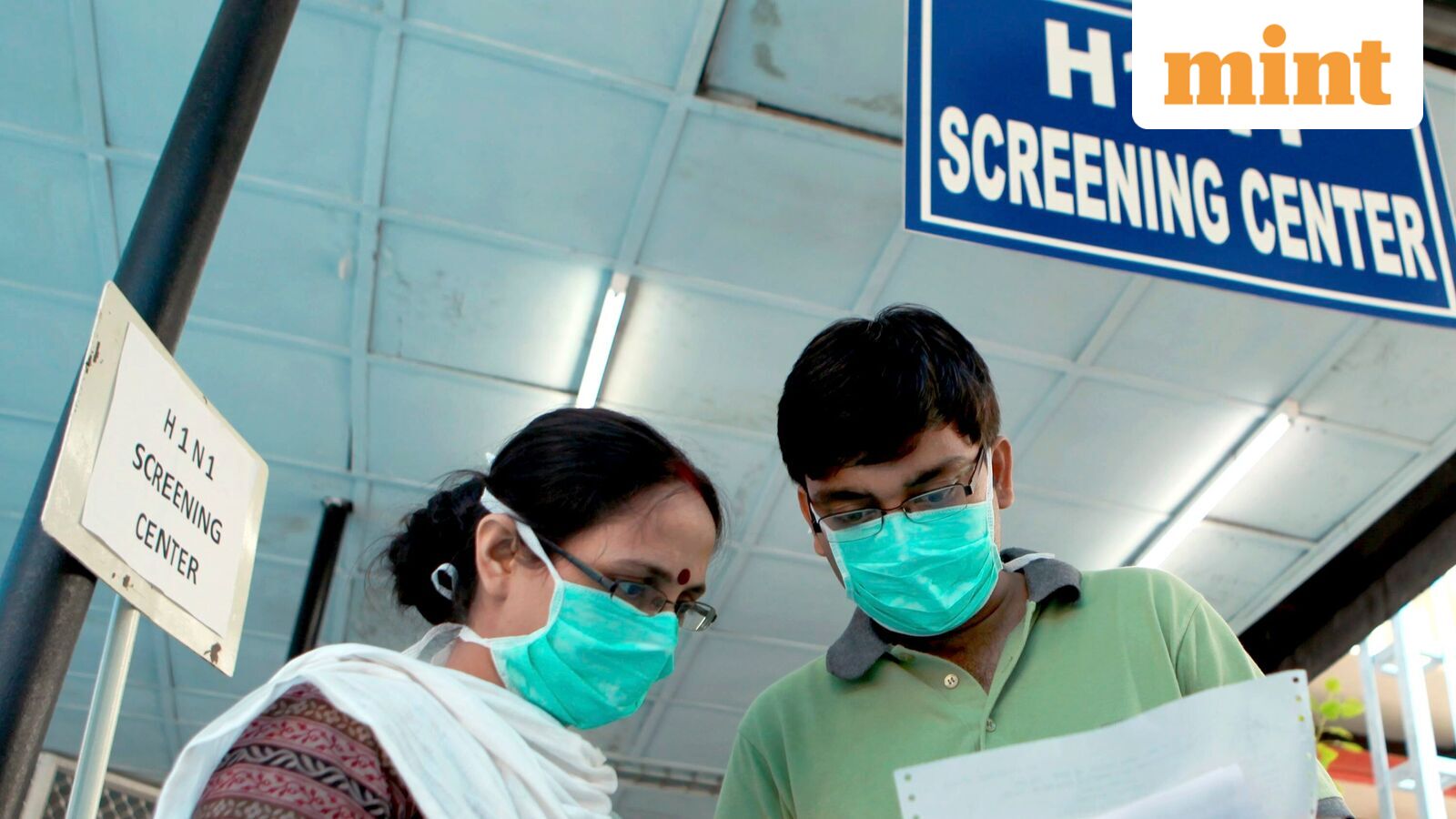
Delhi recorded 1,777 H1N1 cases this year. Kerala reported 7,421 cases and 88 deaths. Health ministry urges vigilance as flu rises across India.
Continue with
Delhi recorded 1,777 H1N1 cases this year, including 114 reported on Thursday, according to Delhi health department data. Several states are reporting a rise in influenza and flu-like illnesses.
Union Health Minister J P Nadda on Friday reviewed the national influenza situation and healthcare preparedness, PTI reported. The Health Ministry urged people to stay alert to H1N1 symptoms. In a post on X on Saturday, the ministry listed fever, cough, sore throat, headache, runny nose, body aches and fatigue. Other symptoms include lethargy, loss of appetite, nausea, vomiting, joint and muscle pain and diarrhoea. The ministry advised people not to ignore persistent symptoms and to seek medical advice at the nearest healthcare centre.
The capital has recorded 2,602 influenza cases so far this year. That includes 2,392 Influenza-A infections and 210 Influenza-B cases. H1N1 accounts for the majority of Influenza-A infections. Of the 2,392 Influenza-A cases, 1,777 are H1N1, 37 are H1, 138 are H3 and 440 fall under other categories. The 210 Influenza-B cases include 200 Victoria strain infections and 10 others.
Delhi Health Minister Pankaj Kumar Singh said the capital was fully equipped to handle the seasonal rise in infections. He spoke after attending the meeting chaired by Nadda. The health department said there is no shortage of hospital beds, doctors, medicines or essential medical equipment. Patient numbers are being monitored and hospital arrangements strengthened.
Seasonal influenza is an acute respiratory infection caused by influenza viruses circulating globally. Young children and elderly people with co-morbidities are most vulnerable, the Delhi health department said. Those with diabetes, hypertension and chronic kidney disease are at higher risk.
India experiences two seasonal influenza peaks each year, between January and March and during the post-monsoon period. H1N1 is the predominant subtype in Delhi this year, while H3N2 was predominant last year, the department said.