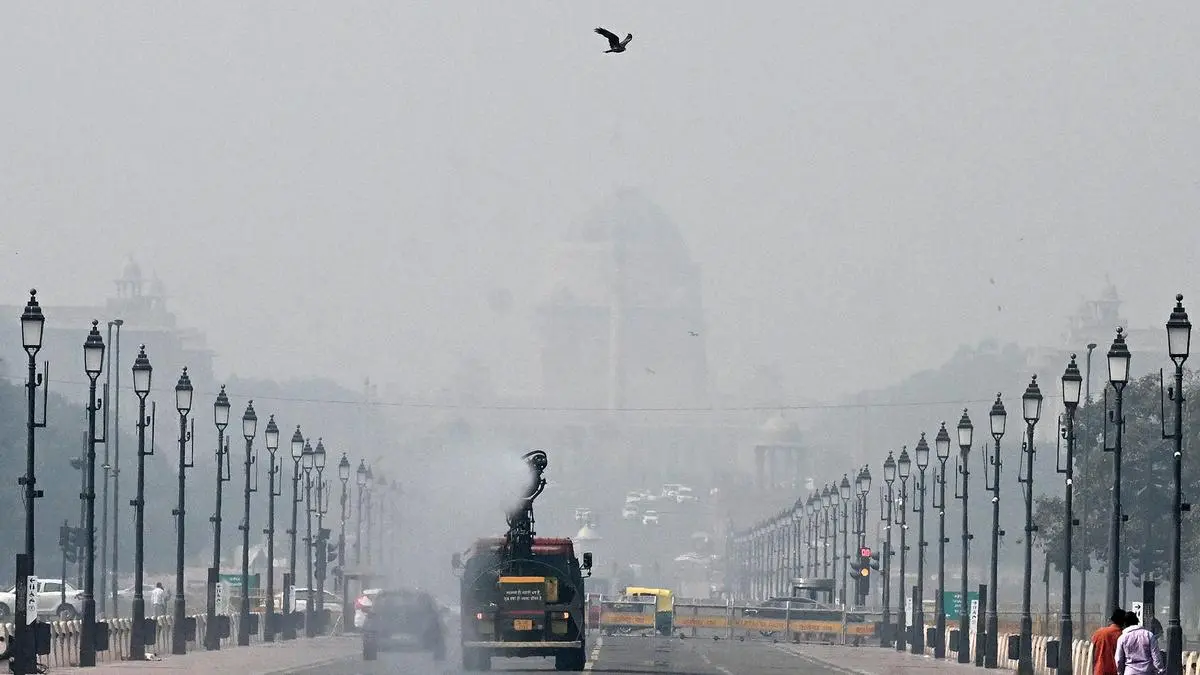
Delhi’s air quality index has shifted into the poor category with a reading of 238, coinciding with a peak temperature of 40 degrees Celsius. This environmental deterioration creates immediate friction for regional logistics and manufacturing operations. When air quality reaches these thresholds, local authorities often implement mandatory restrictions on construction activities, heavy vehicle movement, and industrial processes that contribute to particulate matter accumulation.
Operational Impact on Regional Manufacturing
The intersection of extreme heat and poor air quality creates a dual-threat environment for companies operating in the National Capital Region. High temperatures often force a reduction in labor productivity and increase the cooling load for data centers and manufacturing facilities. When combined with air quality mandates that limit the operation of diesel generators or heavy machinery, the cost of maintaining output rises significantly. Investors should monitor how firms with high exposure to North Indian industrial hubs manage these forced operational pauses.
Supply Chain and Logistics Constraints
Logistics networks in the region face secondary pressures as air quality protocols restrict the movement of commercial vehicles. Restrictions on non-essential heavy transport during peak pollution periods can lead to inventory bottlenecks for firms relying on just-in-time delivery models. The current climate profile suggests that these constraints may persist if meteorological conditions do not facilitate the dispersion of pollutants. Companies that have diversified their supply chains away from single-node reliance in the capital are better positioned to mitigate these localized disruptions.
AlphaScala Data and Market Context
Market participants tracking industrial exposure should note that sector-wide performance often fluctuates based on regional regulatory environments. For instance, companies like Deere & Company (DE stock page) maintain an Alpha Score of 34/100, reflecting the sensitivity of industrial stocks to regional economic and regulatory headwinds. While broader market trends remain influenced by global capital flows, the localized nature of environmental policy in Delhi serves as a reminder of the operational risks inherent in concentrated industrial footprints. Investors can find more detailed stock market analysis regarding how such regional shifts impact broader portfolio volatility.
The next concrete marker for this narrative will be the updated guidance from the Commission for Air Quality Management regarding the potential implementation of the Graded Response Action Plan. If the AQI remains in the poor or very poor range, the transition to more stringent stages of the plan will likely trigger further limitations on industrial activity and construction, forcing a re-evaluation of production timelines for the current quarter.