DEI Is Not Dead. It's Just Using Different Words
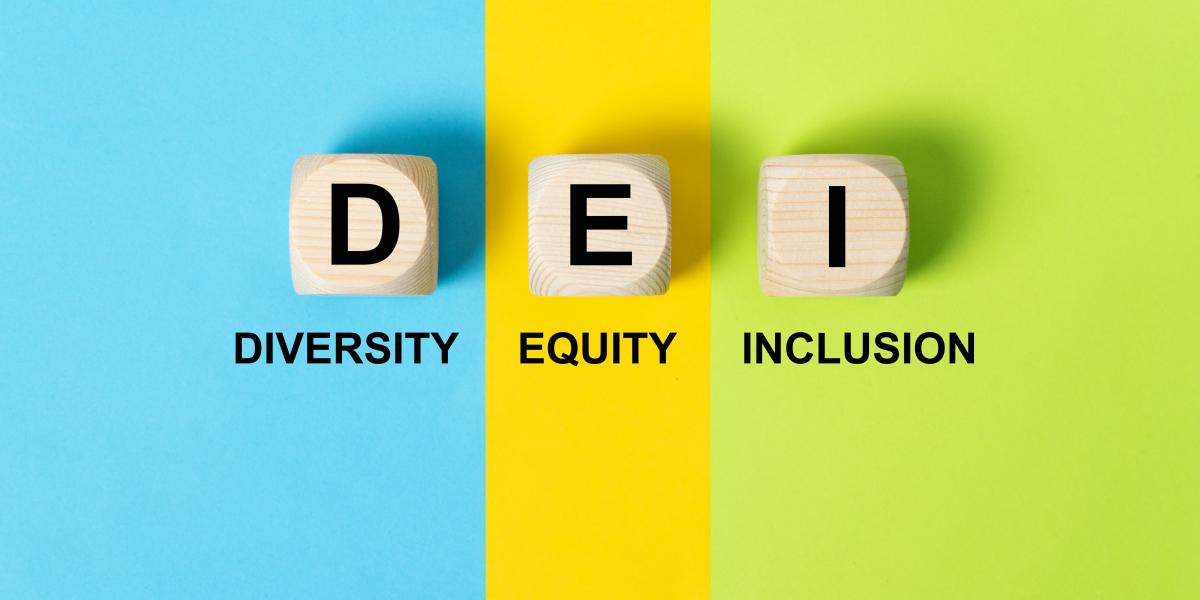
DEI programs at universities and federal agencies are not dead. They have renamed and restructured to avoid executive orders banning specific terms, not specific practices.
Alpha Score of 40 reflects weak overall profile with weak momentum, poor value, moderate quality, weak sentiment.
The University of Alabama shut down its diversity, equity, and inclusion office after the state banned DEI programs in public universities. It renamed it the Office of Community Impact. The new vice president of community impact holds a PhD in a field focused on the same concepts the ban targeted.
That pattern is playing out across the country. President Trump's January 2025 executive order banned federal DEI offices, chief diversity officer positions, and equity-related programs. But the order names specific terms, not specific practices. Schools and companies that want to keep the same work going have found a workaround: drop the forbidden vocabulary, keep the mission.
Forbes reported in June 2026 that 80% of employees and business leaders said their organizations remain committed to DEI despite the hostile political climate. Catalyst, a research firm, put out data showing the same thing. "Despite a high-risk legal environment, our research shows that DEI is not dying–it is evolving," Joy Ohm, a vice president at Catalyst, said in a press release.
The Alabama case is a concrete example. The university's original DEI office became "Opportunities, Connections, and Success," then the Office of Community Impact. The person running it has a doctorate on "the challenges that black women face on college campuses." Her dissertation references critical race theory, intersectionality, and black feminist thought. "Racism and sexism, as well as the assumptions associated with both of them, are a part of America's history and its foundations," she wrote.
The ban on DEI terminology does not ban the underlying ideology. It bans the label. People who believe in the work keep doing it, because they see it as principled. That is the harder problem for opponents of DEI: the people running these programs do not view them as schemes to evade executive orders. They view them as moral obligations.
Thomas Sowell wrote about this in The Vision of the Anointed. The mindset treats social outcomes as evidence of injustice. The assumption is that the only reason outcomes are unequal is that someone rigged the system. Ludwig von Mises described something similar in The Anti-Capitalistic Mentality – the idea that the poor are poor only because unjust people deprived them of their birthright.
That logic has migrated from class conflict to identity conflict. The same blame structure that animated old-style socialism now animates race, gender, and religion wars. The fix that people believe in is war against the group they blame. That group changes by context – "powerful white men" is the current target – but the structure of the argument is the same.
The New York Times recently asked whether progressives went "too far" with DEI. That frames the debate as a question of degree. The real question is whether the premise itself is sound. The DEI worldview teaches that unequal outcomes are always evidence of unjust systems. If that premise is false, then moderating DEI is not a solution; it is just a slower version of the same mistake.
DEI is not dead. It adapted. The name changed. The work did not.
Drafted by a large language model from the source reporting linked above, then screened by automated publishing checks. It is not read by a journalist before publication. Some articles cite our Alpha Score. Verify prices and figures against the original source. Educational coverage, not personalized advice.