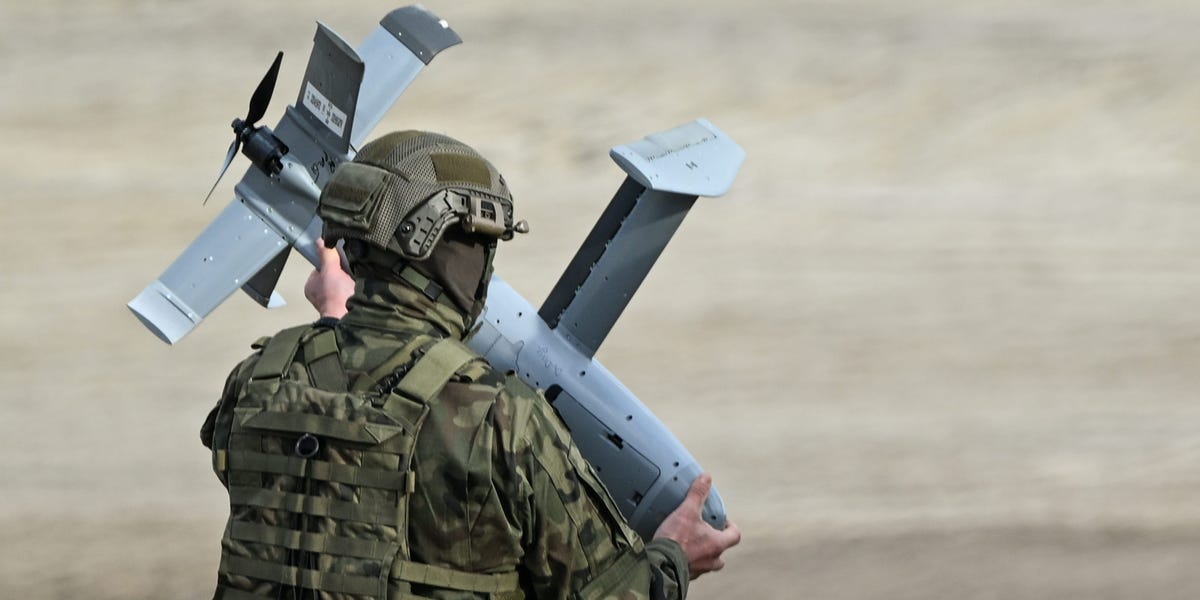
The expansion of the Merops interceptor drone program into a new NATO member state marks a transition in regional air defense strategies. By moving beyond initial deployments in Ukraine and the Middle East, the system is becoming a standardized component for alliance members facing immediate drone threats. This procurement cycle signals a shift from experimental field testing to long-term integration within the broader NATO security architecture.
Scaling Tactical Air Defense
The adoption of battle-tested American hardware by additional NATO allies highlights a pivot toward decentralized, low-cost interception capabilities. Traditional air defense systems often rely on high-cost missiles that are ill-suited for the swarm-based threats currently seen in active theaters. The Merops system addresses this gap by providing a scalable, mobile solution designed to neutralize smaller aerial targets at a fraction of the cost of legacy surface-to-air platforms.
For the defense industrial base, this transition represents a shift in production requirements. Manufacturers are moving from rapid, small-batch deliveries to sustained, multi-year supply chains. The ability to maintain operational readiness across diverse geographic environments is now the primary metric for evaluating the success of these systems. As more nations adopt this technology, the focus will likely shift toward interoperability standards that allow for shared intelligence and coordinated response efforts across the eastern flank.
Industrial Integration and Strategic Depth
The integration of these systems into NATO air defense networks creates a new baseline for regional security. This development is part of a broader trend where AI Displacement Risk Shifts from Industrial Hubs to Administrative Centers as nations prioritize automated defense layers over traditional, manpower-heavy surveillance. The reliance on American-made interceptors also reinforces the strategic link between domestic defense manufacturers and the security needs of the alliance.
AlphaScala data currently tracks various industrial and technology firms navigating these shifting procurement cycles. For instance, Bloom Energy Corp (BE stock page) maintains an Alpha Score of 46/100, reflecting the mixed sentiment surrounding industrial energy and infrastructure support. Similarly, ServiceNow Inc. (NOW stock page) holds an Alpha Score of 53/100, as the technology sector continues to balance enterprise software demand against broader macroeconomic pressures. These scores reflect the ongoing volatility in sectors that underpin the infrastructure required for modern defense operations.
The Path to Operational Standardization
The next concrete marker for this deployment will be the establishment of joint maintenance and training facilities within the host country. These facilities will determine how quickly the system can be scaled and whether the supply chain can support sustained operations without relying on direct manufacturer intervention. Observers should monitor upcoming defense budget filings from participating NATO members to assess the total volume of follow-on orders. The speed at which these systems are integrated into existing radar and command-and-control networks will serve as the final test of their strategic viability in a contested environment.