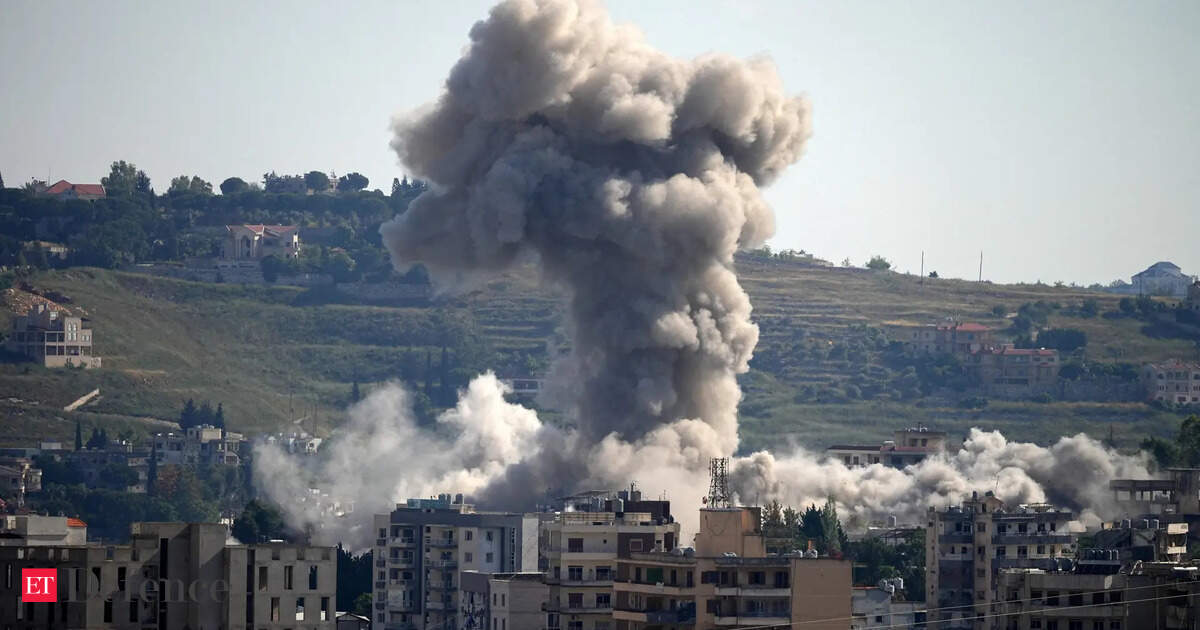
Israeli forces are now operating at their deepest point inside Lebanon in more than two decades, targeting Hezbollah infrastructure. The incursion continues despite a U.S.-brokered ceasefire and initial direct talks between Israel and Lebanon. Over 3,300 people have been killed in Lebanon since the fighting escalated. The military push complicates an already fragile Iran nuclear deal negotiation.
The naive reading of the ceasefire and first direct talks in decades was that regional tensions were easing. The better market read is that the incursion proves the diplomatic framework is brittle and that Iran’s proxy network remains central to its strategy. For traders, the immediate consequence is a step higher in oil risk premia and a bid for defense sector stocks.
How the Lebanon Incursion Undermines the Iran Nuclear Talks
Hezbollah receives financial and military backing from Iran. Israel’s stated objective is to dismantle the group’s border infrastructure. Lebanon accuses Israeli forces of widespread destruction. The deeper the fighting, the less political room the U.S. administration has to push for a revived nuclear agreement while American-supplied munitions are active inside Lebanon. Diplomatic momentum that had been building – including the first Israel-Lebanon talks in two decades – stalls as military operations intensify.
Iran cannot easily make concessions on its nuclear program while its key proxy is under heavy attack. Even a quiet diplomatic push by the U.S. envoy, planned for the coming weeks, faces a higher bar for success. The risk premium in crude oil futures widens because traders must price in a greater probability of supply disruption, even if the conflict remains contained within Lebanon.
The Energy Sector Read: Risk Premium and Defense Rotation
Oil prices respond to changes in perceived supply risk. The Strait of Hormuz sits near the broader theater. Any scenario that pulls Iranian forces into direct confrontation raises the odds of a blockage. For now, the risk premium expands without a physical disruption. European energy equities and U.S. majors such as Exxon Mobil and Chevron typically benefit when Middle East risk rises, although the gain is capped if the conflict stays inside Lebanon.
Defense sector stocks also attract bids. The incursion signals that Israel expects a protracted campaign. That extends the timeline for U.S. weapons resupply orders. The humanitarian toll – 3,300 killed according to local reports – weighs on diplomatic options. The U.S. administration cannot easily press Iran on nuclear terms while Israeli forces are inside Lebanon. That dynamic creates a floor under oil risk premia and delays their decay.
The Next Decision Point: Iran’s Proxy Network and Diplomacy Timeline
Iran can retaliate through proxies in Iraq, Syria, or Yemen without committing its own forces. A direct Iranian military response would spike oil prices sharply higher. A quiet diplomatic push would allow the risk premium to bleed out slowly. The key marker is the planned visit by the U.S. Middle East envoy. If the visit is postponed or downgraded, assume the nuclear deal window closes further.
For watchlist decisions, energy positions remain tactically attractive as long as the incursion depth exceeds prior thresholds. A shift to negotiations or a unilateral Israeli pullback would reverse that trade. Monitor the Lebanon border crossing points and any public statements from Iran’s Supreme Leader for the earliest read on escalation path.
For broader stock market analysis, the geopolitical overlay now reinforces a sector rotation out of growth and into energy and defense. The Iran nuclear deal is no longer a near-term catalyst for additional crude supply. That absence keeps a risk premium embedded in oil and related equities until the diplomatic picture clarifies.