Indices● Neutral
Debt-for-Equity Restructuring at NFE: A Warning for LNG Infrastructure
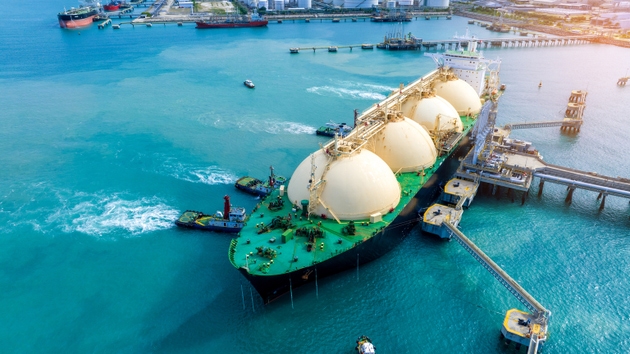
New Fortress Energy’s UK court permission to convert debt to equity signals distress that could ripple through leveraged LNG infrastructure names. Creditor vote next.
Continue with
New Fortress Energy (NFE) obtained permission from a UK court to convene creditor meetings on a restructuring plan that will convert the vast majority of its debt into equity. The procedural green light moves the company one step closer to a balance-sheet reset that would dramatically dilute existing shareholders.
NFE’s Court-Approved Restructuring Mechanics
The UK court order allows NFE to schedule votes among its creditors on a sweeping debt-for-equity swap. The plan targets the bulk of the company’s liabilities, shifting them from fixed obligations to ownership stakes. This is not a minor amendment; it is a full-scale recapitalization designed to avert a default.
Key elements of the process include:
- A UK court-sanctioned framework that gives NFE the legal runway to put the proposal to creditors
- Conversion of the vast majority of outstanding debt into new equity, which will severely compress existing shareholders’ ownership percentage
- Creditor votes that will determine whether the plan proceeds or the company faces an alternative path, potentially including insolvency proceedings
The restructuring underscores the financial strain at NFE, an operator of liquefied natural gas infrastructure and power projects. Heavy capital expenditures and a debt-heavy funding model left the company vulnerable when refinancing conditions tightened.
Sector Readthrough: Who Else Is Carrying Heavy LNG Debt?
The NFE restructuring is not an isolated event. It raises a direct question for the broader LNG infrastructure sector: which other operators are carrying leverage loads that become unmanageable in a higher-for-longer rate environment? Many LNG developers and terminal operators financed expansion with floating-rate debt or near-term maturities. When benchmark rates reset, interest costs can overwhelm project cash flows.