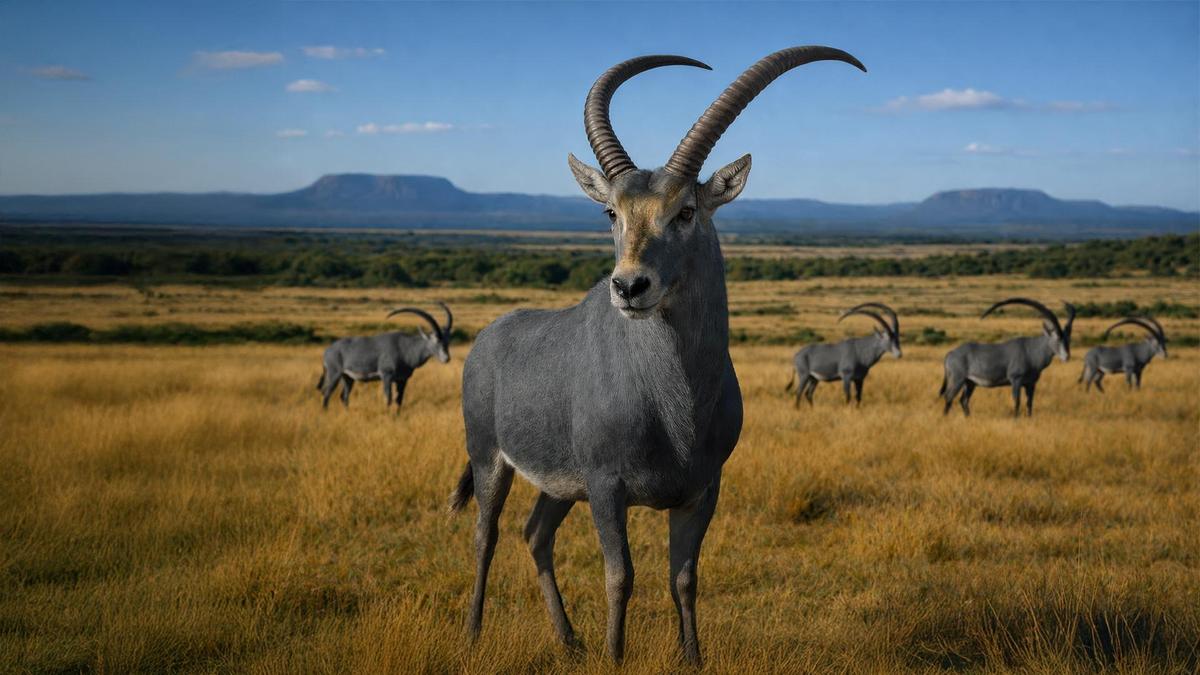
The scientific pursuit of de-extinction has reached a new milestone as researchers focus on the bluebuck, an antelope species that vanished from South Africa’s Cape region in the 18th century. Colossal Biosciences is spearheading this initiative, utilizing advanced gene-editing tools to bridge the gap between extinct phenotypes and modern genetic proxies. This project represents a shift in biotechnology where the focus moves from theoretical modeling to the practical application of CRISPR and synthetic biology in large mammal restoration.
Technological Hurdles in Genomic Reconstruction
The primary challenge in reviving the bluebuck lies in the quality of ancient DNA samples. Scientists must assemble a complete genome from fragmented remains, a process that requires high-fidelity sequencing and precise gene-editing to replicate the physical characteristics of the original species. By identifying the specific genetic markers responsible for the bluebuck’s unique silvery slate-blue coat and horn structure, researchers aim to introduce these traits into the genome of a closely related living relative. This methodology mirrors broader trends in early detection algorithms shifting the oncology investment landscape, where data processing speed and accuracy determine the feasibility of complex biological interventions.
Ecological and Regulatory Implications
The potential reintroduction of an extinct species into modern ecosystems introduces significant ecological variables. Beyond the technical success of gene editing, the project must address the viability of the bluebuck within its former habitat, which has undergone substantial environmental change over the last three centuries. Regulatory bodies will likely scrutinize the ethical and safety protocols governing the release of genetically modified organisms into the wild. This creates a complex path for stakeholders who monitor the intersection of biotechnology and environmental policy.
AlphaScala Data and Market Context
While the de-extinction sector remains in its infancy, the underlying technologies are increasingly relevant to broader industrial and consumer markets. Investors often look to companies like AS (Amer Sports, Inc.), which currently holds an Alpha Score of 47/100, to gauge how consumer cyclical firms integrate advanced material sciences into their product lines. Similarly, the industrial equipment required for high-throughput genomic sequencing shares supply chain dependencies with sectors represented by DE (Deere & Company), which carries an Alpha Score of 34/100. The maturation of these technologies will eventually require a standardized framework for evaluating the long-term commercial viability of synthetic biology ventures.
The next concrete marker for this project will be the publication of the completed reference genome and the subsequent validation of gene-editing trials in surrogate species. Success in these initial phases will determine whether the project moves toward large-scale phenotypic expression or remains a specialized research endeavor. Observers should monitor upcoming filings regarding intellectual property rights for the specific gene-editing sequences developed during this process, as these assets will define the competitive landscape for future de-extinction initiatives.