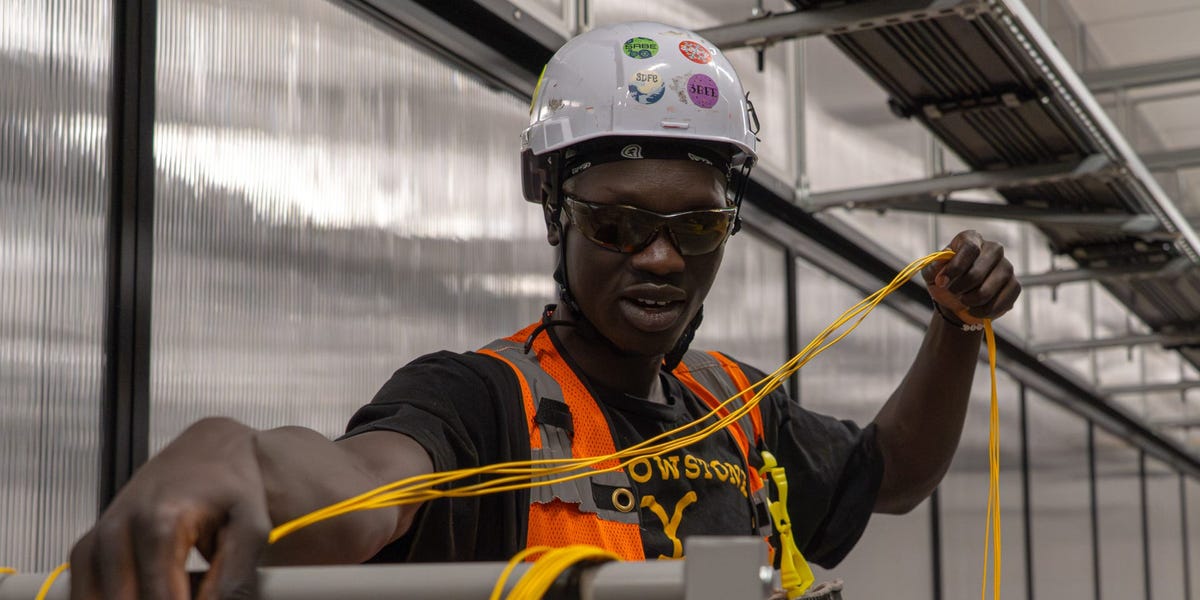
The rapid expansion of artificial intelligence infrastructure has shifted the primary bottleneck for major technology firms from chip procurement to physical construction and connectivity. Meta Platforms Inc. and other hyperscalers are now confronting a significant shortage of specialized fiber technicians required to build the massive data centers necessary for training large language models. This shift highlights a departure from traditional software-centric hiring as companies pivot toward industrial-scale physical deployment.
The Infrastructure Labor Gap
The demand for nearly 200,000 fiber technicians has forced firms to move beyond standard recruiting channels. By launching internal training programs, these companies are attempting to bridge the gap between traditional blue-collar trade skills and the specific requirements of high-density data center environments. This transition suggests that the physical footprint of AI is becoming a permanent fixture of the sector's capital expenditure profile. The reliance on manual, specialized labor for fiber installation and data center maintenance creates a new dependency on vocational skill sets that have historically been separate from the tech industry.
Sector Read-Through and Operational Costs
This labor shortage impacts the broader industrial and communication services landscape. As companies like Meta invest heavily in proprietary training to secure their supply chains, the cost of scaling AI infrastructure increases beyond just hardware and energy consumption. The need for specialized technicians is likely to persist as long as the current pace of data center construction continues. Investors should monitor how these operational expenses affect margins, particularly as the industry moves from the initial phase of hardware acquisition to the long-term phase of facility maintenance and connectivity.
AlphaScala data currently reflects a moderate outlook for Meta, which holds an Alpha Score of 62/100 and is trading at $675.03. The company's proactive approach to workforce development is a direct response to the physical constraints currently limiting the speed of AI deployment. While software remains the primary value driver for the sector, the ability to execute on physical infrastructure is becoming a critical differentiator for stock market analysis regarding long-term growth potential.
Path Toward Operational Efficiency
The next concrete marker for this narrative will be the disclosure of labor-related capital expenditures in upcoming quarterly filings. If the current training initiatives fail to close the technician gap, firms may be forced to increase wages or rely on third-party contractors, which would further inflate the cost of building AI-ready infrastructure. The transition toward vendor consolidation in the AI space, as seen in other sectors like law firm AI adoption, may eventually extend to the construction and maintenance firms that support these data centers. Tracking the integration of these newly trained technicians into the workforce will provide a clearer picture of whether these companies can maintain their aggressive build-out schedules without incurring unsustainable labor costs.