DARPA has launched a program to develop noninvasive tools that help an injured brain rewire itself, targeting the circuits an injury damaged instead of the whole brain.
The Defense Advanced Research Projects Agency calls the effort SHINE, short for Selective Harnessing of Intrinsic Neuroplasticity Engineering. The program page states that neuroplasticity, the brain's capacity to adapt after injury, is the key to its "remarkable adaptivity," and that the agency lacks "tools to stimulate plasticity in specific functional circuits to avoid global change, and/or unwanted side effects."
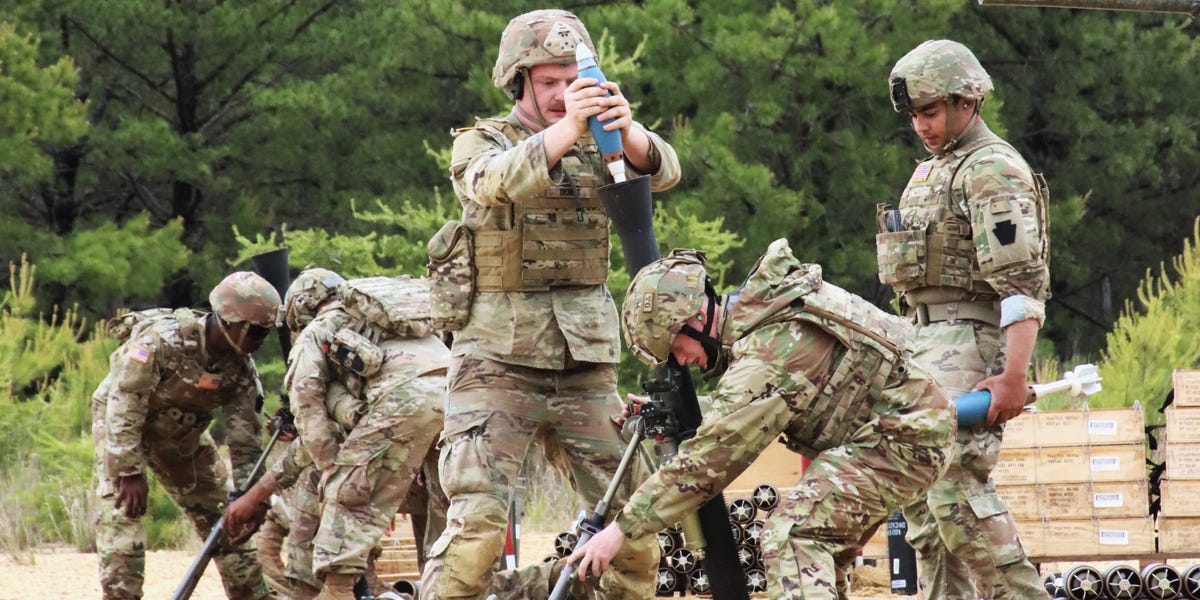
SHINE arrives after a stretch of rising traumatic brain injury (TBI) rates in the military. Troops fighting the war against Iran have come under drone and missile fire. The explosions generate blast overpressure, a pressure wave that produces many brain injuries. Repeated use of mortars and shoulder-launched rockets causes the same damage among U.S. troops.
New research on repeated exposure and news coverage of mild, frequent injuries once overlooked drove the military's growing focus on brain health, said Vik Bebarta, a former military emergency physician and strategic lead for the Marcus Institute for Brain Health at the University of Colorado Anschutz.
After 20 years of war in the Middle East, Bebarta said, military medicine has become a finely honed tool for treating wartime trauma wounds.
Bebarta wants the military past what he calls a "light switch concept of 'were you exposed or not exposed.'" TBI assessments require regular monitoring, and some symptoms respond to treatment while others do not. Diagnosis is hard; brain injuries are not easily detected. The Pentagon is fielding blood-based tests for brain injury and plans to screen more troops for brain health. Bebarta's agenda splits into earlier detection and new treatments; the blood tests cover the detection half, and SHINE is the treatment half.
Existing therapies such as medication and brain stimulation generally fail to isolate the circuits an injury affects, DARPA says. The agency's approach directs treatment at those specific pathways and leaves the rest of the brain untouched. The method, DARPA says, could carry implications for people recovering from TBIs outside the military.
Falls and vehicle crashes account for many civilian TBIs in the U.S., according to the Centers for Disease Control and Prevention. Physical assaults and contact sports add to the count. People who survive a TBI often face persistent memory, concentration, mood and movement problems.
The New York Times reported that Coast Guard personnel navigating rough waves suffer repeated jarring of the brain. Lasting harm can follow. On AlphaScala, NYT carries an Alpha Score of 39 out of 100, labeled Mixed, in the Communication Services sector.
DARPA has not set a timeline for SHINE. The program is in its earliest stages.