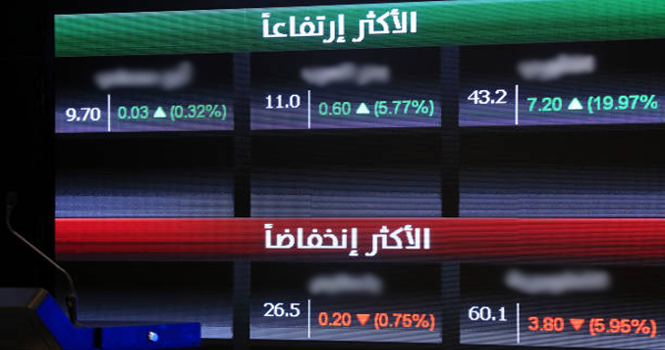
Dar Al Majdiah Valuation Pressure Mounts as Shares Hit Record Low

Dar Al Majdiah shares hit an all-time low on April 27, signaling a breakdown in support levels and a shift in investor sentiment toward the developer.
Alpha Score of 46 reflects weak overall profile with moderate momentum, weak value, weak quality, weak sentiment.
Alpha Score of 47 reflects weak overall profile with moderate momentum, poor value, moderate quality. Based on 3 of 4 signals — score is capped at 90 until remaining data ingests.
Alpha Score of 45 reflects weak overall profile with strong momentum, poor value, poor quality, weak sentiment.
Alpha Score of 69 reflects moderate overall profile with strong momentum, moderate value, strong quality, moderate sentiment.
Structural Weakness in Dar Al Majdiah
Dar Al Majdiah shares reached their lowest level since the company debut on April 27. This decline marks a significant shift in the stock narrative as the price breaks below previous support levels established since the initial listing. The downward movement reflects a sustained period of selling pressure that has now pushed the equity into uncharted territory regarding its valuation floor.
Investors are currently recalibrating their expectations for the real estate developer in the context of broader TASI performance. While the wider market has seen instances of targeted institutional positioning, as noted in recent reports on TASI negotiated deal volume, Dar Al Majdiah has struggled to maintain parity with the index. The inability to hold historical support levels suggests that the current supply of shares is overwhelming existing demand, forcing a repricing that ignores earlier entry points.
Real Estate Sector Sentiment and Capital Allocation
The real estate sector in Saudi Arabia remains sensitive to shifts in liquidity and project delivery timelines. As firms navigate a complex interest rate environment, the pressure on developers to demonstrate consistent cash flow and project completion becomes paramount. For Dar Al Majdiah, the record low serves as a signal that the market is prioritizing immediate liquidity and operational transparency over long-term growth narratives.
This price action often precedes a period of heightened scrutiny regarding balance sheet health and debt obligations. When a stock hits a new low, the primary concern for stakeholders is the identification of a stabilization point. Without a clear catalyst for a reversal, such as a major contract award or a shift in dividend policy, the stock remains vulnerable to further technical selling. The current environment mirrors broader challenges seen in concentration risk and the evolution of the ETF landscape, where capital is increasingly selective about which assets to support during periods of volatility.
AlphaScala Data and Next Steps
Our internal tracking for various market sectors includes entities like COO stock page and HAS stock page, both of which currently carry an Unscored label within our healthcare and consumer cyclical coverage. These classifications highlight the importance of monitoring specific company filings rather than relying on broad sector momentum.
The next concrete marker for Dar Al Majdiah will be the upcoming quarterly financial disclosure. Investors will look for evidence of margin compression or expansion to determine if the current valuation accurately reflects the company's underlying asset value. Any deviation from expected project delivery schedules in the next filing will likely serve as the primary driver for the next leg of price discovery. Until then, the stock will remain under pressure as it searches for a new equilibrium in a cooling real estate market.
AI-drafted from named sources and checked against AlphaScala publishing rules before release. Direct quotes must match source text, low-information tables are removed, and thinner or higher-risk stories can be held for manual review.