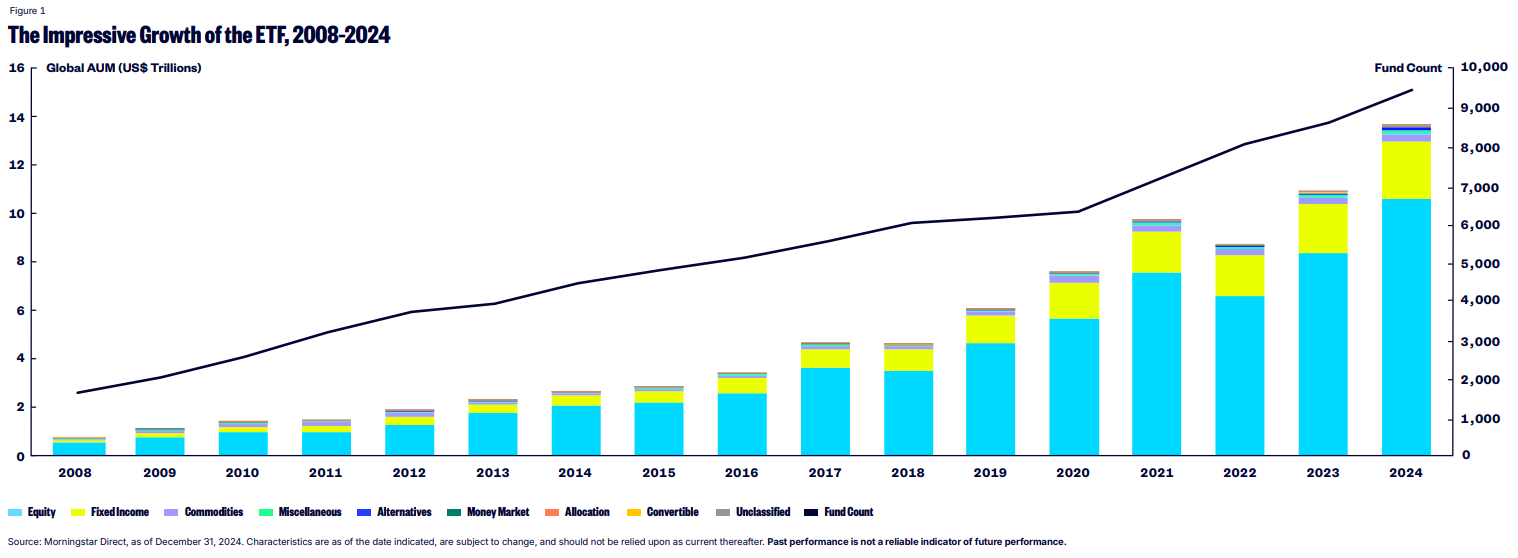
The narrative surrounding market concentration has shifted from a peripheral concern to a central debate as index-tracking vehicles like the SPDR S&P 500 ETF Trust (SPY) face scrutiny over their heavy weighting in a handful of technology giants. Recent discussions with State Street leadership highlight the structural evolution of these funds, which were originally designed to provide broad market exposure but now serve as the primary conduits for concentrated capital flows into artificial intelligence and high-growth sectors.
Structural Shifts in Index Weighting
The current market environment is defined by a divergence between the performance of top-tier technology firms and the broader index components. As capital continues to flow into passive vehicles, the mechanical buying of the largest constituents creates a feedback loop that exacerbates concentration. This dynamic forces a reassessment of whether traditional index products provide the diversification benefits they were historically intended to deliver. Investors are increasingly evaluating the trade-off between the liquidity provided by these massive ETFs and the inherent risk of being over-exposed to a narrow set of market leaders.
Geopolitical and Economic Risk Factors
Beyond the mechanics of index construction, the interplay between geopolitical instability and macroeconomic policy remains a primary driver of volatility. The transition from a low-rate environment to a period of sustained policy uncertainty has altered the risk-reward profile for institutional and retail participants alike. While artificial intelligence remains a dominant narrative for growth, the sustainability of these valuations depends on the ability of the underlying companies to maintain margins in the face of shifting global trade dynamics and potential supply chain disruptions.
AlphaScala data currently reflects a mixed outlook for the broader market, with SPY holding an Alpha Score of 39/100, while STT maintains a score of 65/100, indicating a more moderate positioning within the financial sector. Meanwhile, semiconductor-focused equities such as ON continue to navigate the volatility inherent in the current tech-heavy index structure, carrying an Alpha Score of 45/100.
The Path Toward Portfolio Rebalancing
The next concrete marker for this narrative will be the upcoming quarterly rebalancing cycles and the subsequent disclosure of institutional holdings. These filings will reveal whether large-scale allocators are beginning to rotate away from the most concentrated positions or if the momentum-driven inflows into the largest tech names will persist. Monitoring the spread between market-cap-weighted indices and equal-weighted alternatives will provide the clearest signal of whether the market is preparing for a broader participation rally or a defensive rotation. Investors should look to upcoming policy updates from central banks as the primary catalyst for shifts in liquidity that could either sustain or unwind these concentrated positions.