Dalal Street Retreats as Energy Costs and Currency Pressure Mount

Dalal Street faces significant selling pressure as crude oil prices breach $103 per barrel and the rupee hits an April low, forcing a reassessment of valuation across key sectors.
Alpha Score of 47 reflects weak overall profile with moderate momentum, poor value, moderate quality. Based on 3 of 4 signals — score is capped at 90 until remaining data ingests.
Alpha Score of 55 reflects moderate overall profile with moderate momentum, moderate value, moderate quality. Based on 3 of 4 signals — score is capped at 90 until remaining data ingests.
Alpha Score of 47 reflects weak overall profile with moderate momentum, weak value, weak quality, weak sentiment.
Alpha Score of 45 reflects weak overall profile with strong momentum, poor value, poor quality, weak sentiment.
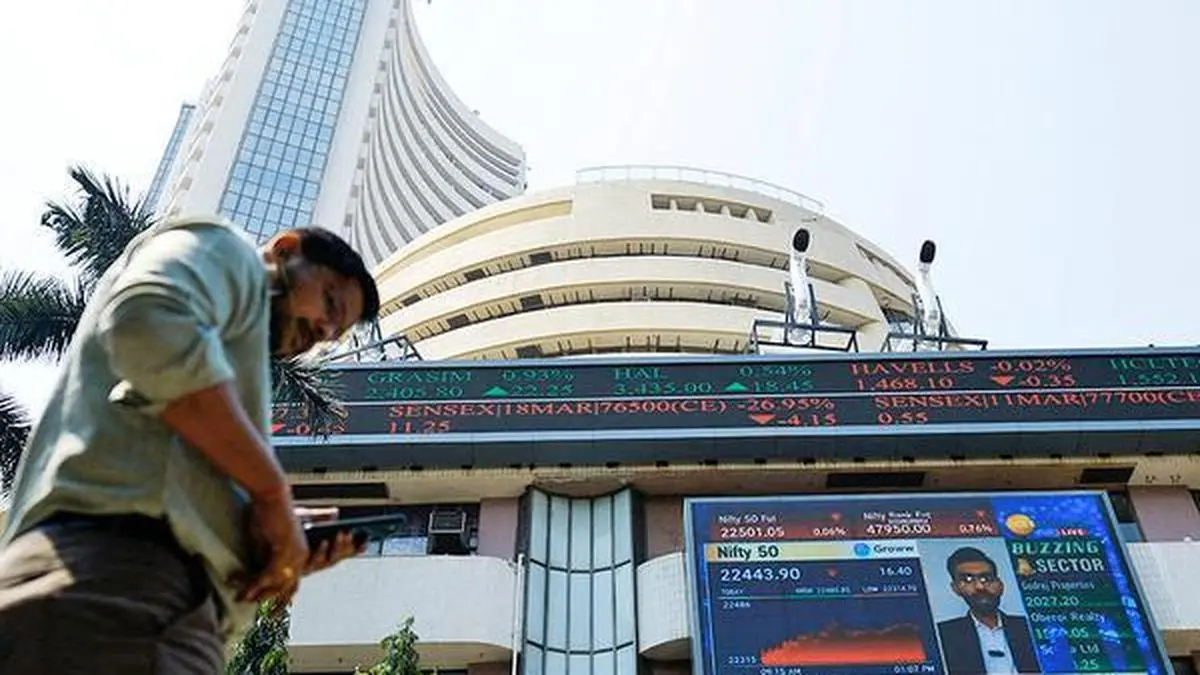
Dalal Street extended its recent downward trend on Thursday as crude oil prices climbed above $103 per barrel. The BSE Sensex shed 852 points to close at 77,664, while the Nifty 50 followed a similar trajectory, reflecting a broader risk-off sentiment driven by inflationary concerns. The rupee touched its lowest level since April, creating a dual headwind for domestic equities as import costs for energy-dependent sectors rise.
Energy Price Transmission and Equity Impact
The surge in crude oil prices acts as a direct tax on the Indian economy, particularly for sectors reliant on refined products. Higher input costs compress margins for manufacturing and logistics firms, while the weakening rupee complicates the outlook for companies with significant foreign currency debt or those dependent on imported raw materials. This shift in the macro environment has forced a repricing of risk across the Nifty 50, as investors weigh the potential for sustained inflation against corporate earnings growth.
Market participants are currently evaluating how long these elevated energy prices will persist before impacting consumer demand. While the FMCG sector has shown resilience in previous sessions, as noted in recent market analysis, the current breadth of the decline suggests that investors are moving toward defensive positioning. The combination of a depreciating currency and rising energy inputs typically leads to a contraction in valuation multiples, particularly for firms that lack pricing power in a competitive environment.
Currency Volatility and Macro Linkages
The rupee's slide to an April low adds a layer of complexity to the Reserve Bank of India's policy outlook. A weaker currency often limits the central bank's ability to maintain accommodative monetary conditions, as it risks exacerbating imported inflation. This creates a feedback loop where equity markets react negatively to both the immediate cost pressure and the potential for a more hawkish interest rate environment.
AlphaScala data currently reflects a cautious stance on several major consumer and technology equities, with AS stock page, LOW stock page, and ON stock page all holding an Alpha Score of 47/100 or lower. These scores indicate that the current market volatility is impacting a wide range of sectors, not just those directly exposed to crude oil. The following factors remain the primary drivers of the current sentiment:
- The breach of the $103 per barrel threshold for crude oil.
- The sustained depreciation of the rupee against the dollar.
- The loss of technical support levels on the Nifty 50 index.
Investors should monitor the next set of trade balance data and any potential intervention signals from the central bank regarding currency stability. The path forward depends on whether crude prices stabilize or continue to climb, as the latter would likely necessitate a downward revision in earnings expectations for the upcoming quarter. The next concrete marker for the market will be the subsequent session's opening, which will determine if the current selling pressure finds a floor or if the index tests lower support levels.
AI-drafted from named sources and checked against AlphaScala publishing rules before release. Direct quotes must match source text, low-information tables are removed, and thinner or higher-risk stories can be held for manual review.