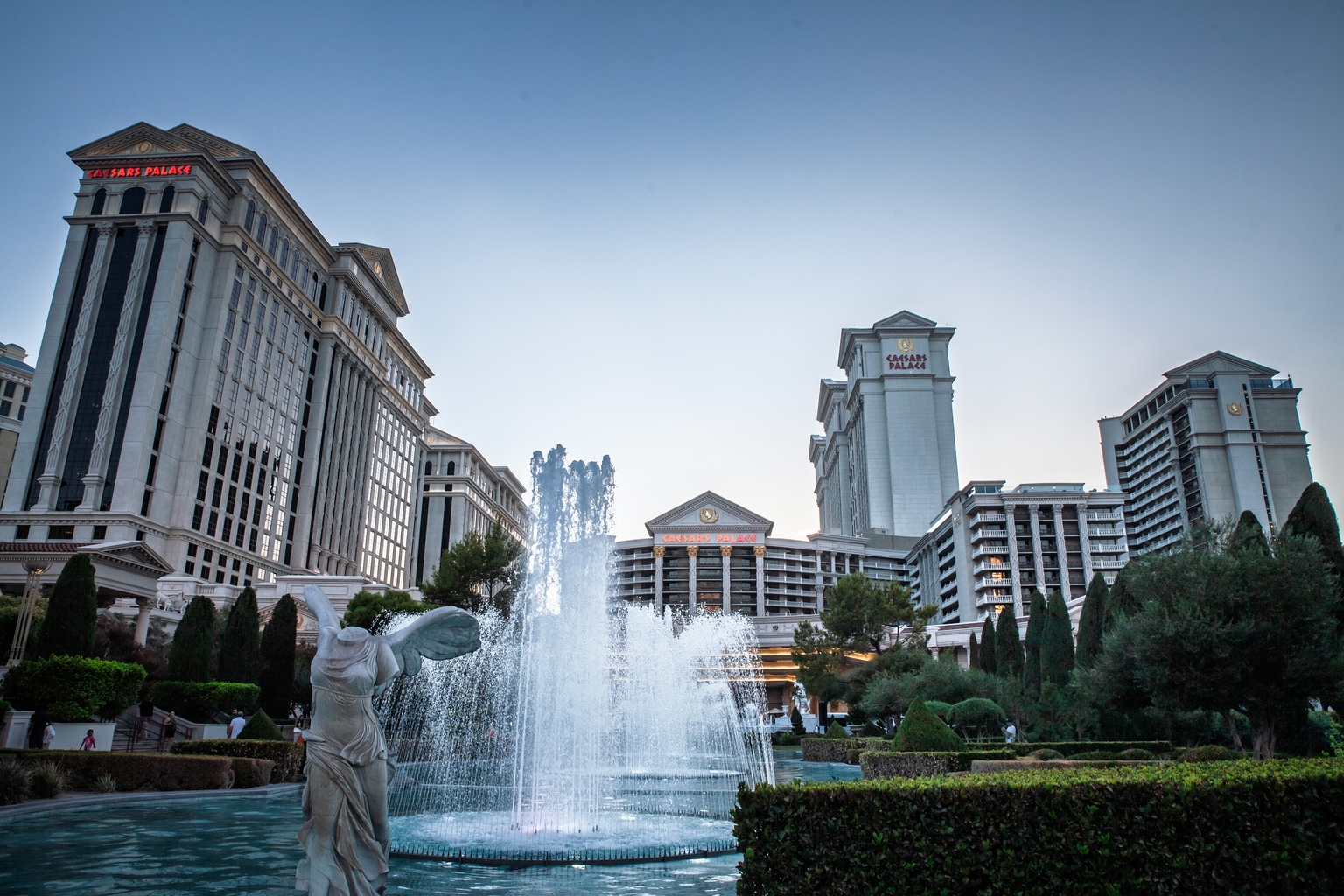
The analyst who normally warns individual investors away from merger arbitrage made an exception for Caesars Entertainment. The call appeared on Seeking Alpha, where the author disclosed a blanket rule: avoid merger arb. Caesars, he wrote, might be worth a flyer.
Merger arbitrage looks simple on paper. In practice, the risks multiply. Regulatory review can kill a deal. Financing can fall through. Shareholder votes add a layer of uncertainty. The spread usually reflects those risks, leaving retail investors with negative expected value. The analyst said he believes most individuals lack the time or tools to manage those variables.
The analyst sees Caesars as a rare exception. The downside looks protected relative to the upside. If the deal fails, the stock has a floor from the company's Las Vegas and regional casino assets. If it closes, the spread pays a meaningful gain. That asymmetric risk profile makes the trade worth considering, the analyst wrote.
AlphaScala's proprietary scoring system rates CZR at 27 out of 100, tagged as Weak. The score reflects the broader risks in the consumer cyclical sector and the uncertainty around the deal timeline. A score that low does not mean the trade is wrong. It means the positioning requires caution. Merger arb spreads can widen fast on headlines. A weak Alpha Score flags the stock's vulnerability to those shocks.
Individual investors considering the trade face a short list of concrete questions. The regulatory path is one variable. The financing structure is another. The stock or cash component matters too. The analyst's disclosure did not address those details directly. The baseline case rests on the assumption that the spread is wide enough to absorb bad news.
The analyst offered a simple rule: if you cannot model the deal's failure scenarios, you should not trade them. For Caesars, the model might still be workable. The company's revenue stream from Las Vegas and regional casinos provides a floor. Caesars has real assets and cash flow. A broken deal would not leave the stock at zero. That reality underpins the asymmetric thesis. The analyst held no position in Caesars at the time of writing.