Stocks● Neutral
Secret Soak Technique Drives 2 Million Sweet Potato Searches
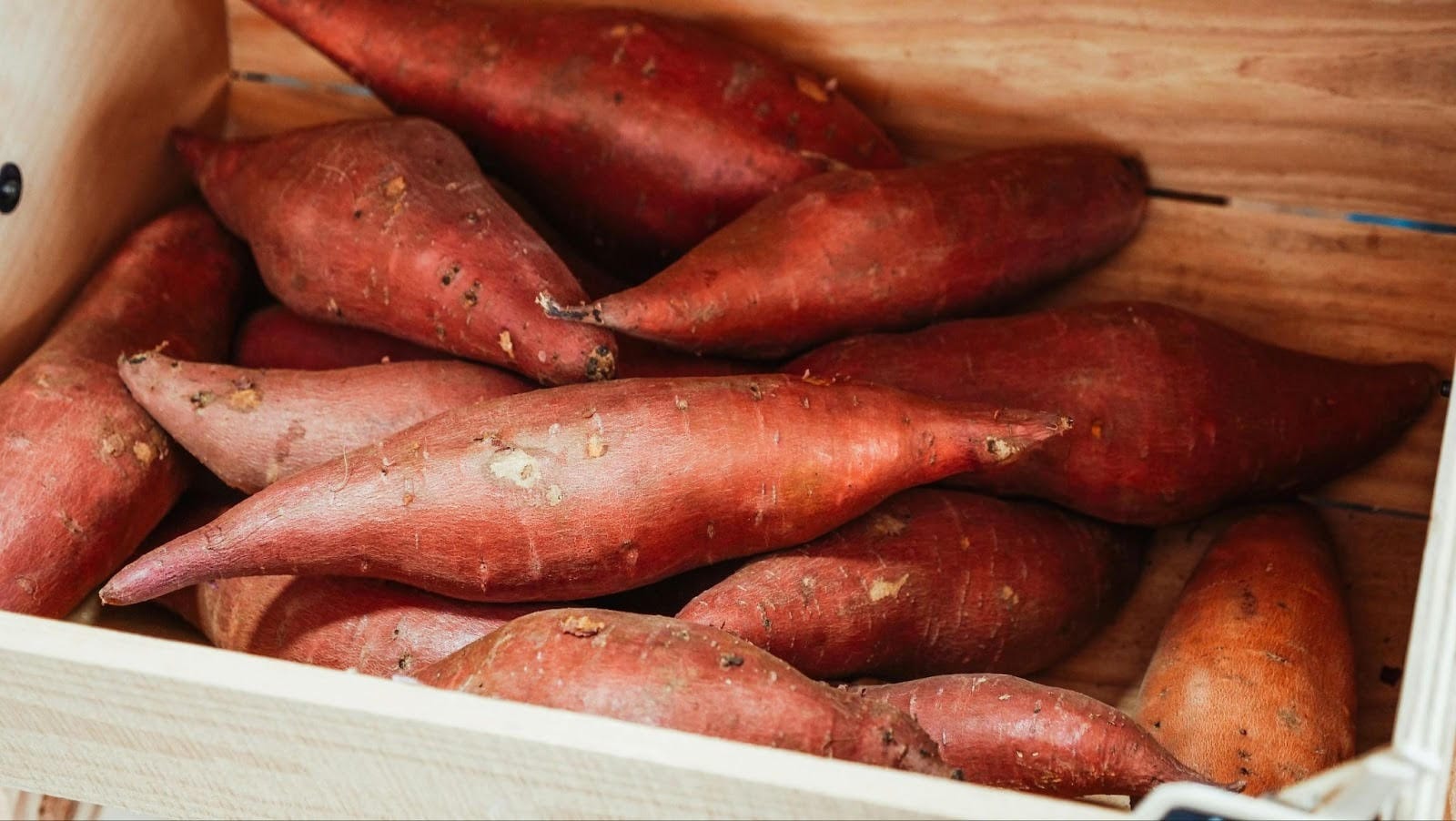
HelloFresh’s expert-led culinary hack is fueling a massive surge in home-cooking interest. Expect retailers to adjust inventory to meet rising demand trends.
Continue with
The Sweet Potato Renaissance
In the ever-evolving landscape of consumer culinary trends, data analytics are revealing a distinct shift in home cooking habits. Recent search volume metrics indicate that interest in “sweet potato recipes” has surged to over 2 million queries, signaling a massive uptick in domestic demand for this staple root vegetable. As culinary interest peaks, industry experts are stepping in to provide the technical optimization required to elevate the home-cooking experience.
Mimi Morley, the senior recipe development manager at HelloFresh—the world’s leading recipe box provider—has identified a specific culinary technique, dubbed the “secret soak,” as the definitive method for achieving the elusive perfect texture for sweet potatoes. This professional-grade hack is currently being disseminated to address the growing consumer appetite for higher-quality preparation methods.
The Technical Advantage of the ‘Secret Soak’
For the discerning home cook, the challenge with sweet potatoes—a vegetable known for its high starch and sugar content—lies in achieving the ideal balance of a crispy exterior and a soft, caramelized interior. Morley’s technique focuses on structural integrity and flavor development, ensuring that the vegetable does not turn mushy during the cooking process.
By implementing this pre-treatment, cooks can effectively manage the moisture levels within the potato, allowing for better heat penetration and superior roasting outcomes. For those observing the consumer discretionary sector, this surge in recipe-specific searches is more than just a passing trend; it reflects a broader movement where consumers are leveraging expert-led data to improve their household efficiency and dining quality. The scale of the 2 million-plus search volume suggests that food-related content remains a dominant driver of search engine traffic, providing a reliable barometer for seasonal purchasing patterns in the grocery and meal-kit industries.