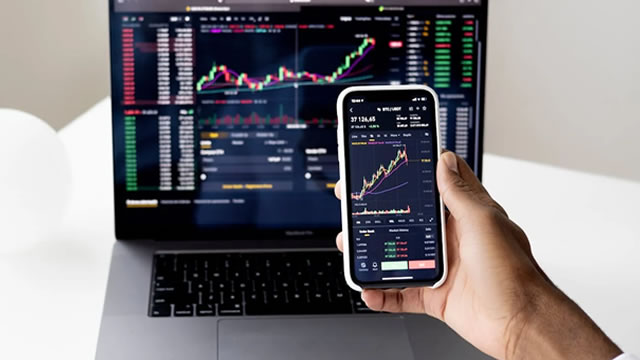
OKX announced on May 22 that it will list perpetual contracts on Brent and WTI crude oil benchmarks sourced from Intercontinental Exchange Inc. (ICE). The move opens oil derivatives to a crypto-native user base of roughly 120 million registered accounts, per ICE estimates from a related partnership. The contracts settle in USDT and track the ICE Brent Index and ICE WTI Index, bridging two markets that rarely share a clearing path.
The Catalyst: OKX-ICE Oil Perpetuals
The product is a perpetual swap – no expiry date, with funding rates paid between long and short positions. That structure is standard in crypto derivatives but novel for oil exposure, where futures usually have fixed months. For OKX, the launch expands its suite beyond digital assets into energy. For ICE, it routes its benchmark indices into a retail-heavy exchange without taking direct counterparty risk on its own books.
The timing matters. Oil markets have been volatile through 2025 on OPEC+ production decisions and shifting demand forecasts. Crypto traders, who have historically traded oil proxies through tokenized funds or CFDs, now get direct exposure in a familiar margin-and-liquidation framework. OKX already lists perpetuals on Bitcoin, Ethereum, and selected altcoins.
Why This Changes the Crypto-Tradfi Bridge
The naive read is that oil perpetuals are just another token. The better read involves liquidity, collateral, and execution risk. Crypto-native traders can now use USDT as margin to take directional positions on crude without ever touching a traditional brokerage account. That collapses the settlement layer: no KYC with a futures commission merchant, no ACH wires, no margin calls in fiat. The trade happens on a centralized crypto exchange with the same leverage options that apply to Bitcoin.
That also introduces risks unique to crypto. OKX, like other large exchanges, relies on third-party custodians and on-chain settlement for withdrawals. A spike in oil volatility could trigger cascading liquidations in the crypto margin pool, potentially affecting other positions if the exchange uses cross-margin. The funding rate mechanism adds a cost floor that does not exist in Treasury-based oil futures funding.
For the ICE, this is a brand-licensing deal that expands its index audience without operational exposure. ICE already provides pricing for oil futures traded on its own exchange. The OKX partnership puts those benchmarks in front of traders who may never open a brokerage account.
Impact on ICE and the Crypto-Native Risk Profile
Intercontinental Exchange Inc. carries an Alpha Score of 41/100 with a Mixed label in AlphaScala's framework, reflecting its traditional exchange revenue base and limited direct crypto revenue. The OKX partnership adds a small royalty stream but does not change the core earnings profile. Still, the deal tests whether benchmark licensing can become a recurring revenue line in the crypto derivatives space. If other exchanges follow, ICE could see incremental volume-linked fees without building a crypto platform itself.
For traders, the key question is liquidity depth on the OKX order book. Thin books on launch day would make the contracts prone to slippage and front-running by market makers. OKX has not disclosed the market-making firms or the initial committed liquidity. Early adopters should watch the bid-ask spread and funding rate deviation from ICE futures.
The Next Decision Point
The story now hinges on adoption. If daily volume on the OKX oil perpetuals reaches $50 million within the first month, it will signal real demand from crypto-native traders for commodity exposure. That could prompt other exchanges, including Binance and Bybit, to launch similar products. On the regulatory side, U.S. and European watchdogs may scrutinize whether these contracts effectively offer unregistered futures. OKX has already faced restrictions in multiple jurisdictions, and the oil perpetuals could invite renewed action from the CFTC or FCA.
Traders should track the funding rate and open interest. A persistent negative funding rate would indicate bearish positioning; a sudden spike could hint at coordinated activity. For now, the link between crypto margin and oil price is active – and worth monitoring.