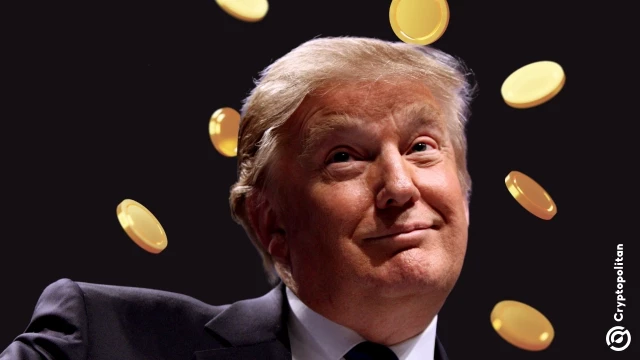
The Republican Party and the Trump campaign have officially reported a combined cash stockpile of $1.2 billion. Federal filings confirm that this record-breaking liquidity level is significantly supported by contributions from executives within the cryptocurrency sector. This influx of capital marks a transition in political financing where digital asset industry participants are increasingly deploying resources to influence the legislative trajectory of the upcoming election cycle.
Concentration of Crypto-Native Political Funding
The scale of this $1.2 billion war chest provides the campaign with substantial operational flexibility as the November midterms approach. By securing support from crypto-native donors, the GOP has effectively integrated the industry into its core financial infrastructure. This alignment suggests that the regulatory environment for digital assets will remain a primary point of contention and negotiation throughout the campaign. The ability to mobilize such significant capital from the crypto sector indicates that firms are prioritizing policy outcomes that favor on-chain development and institutional integration.
For investors monitoring the intersection of policy and digital assets, the current funding structure serves as a proxy for the industry's commitment to shifting the regulatory status quo. As firms navigate the complexities of SEC Regulatory Pivot Signals Shift Toward On-Chain Securities Frameworks, the strategic deployment of these funds will likely dictate the intensity of lobbying efforts regarding future oversight. The concentration of these donations among key industry executives suggests a coordinated effort to ensure that digital asset policy remains a top-tier issue for the incoming administration.
Impact on Campaign Liquidity and Market Sentiment
Beyond the immediate political implications, the sheer volume of these contributions highlights the growing financial maturity of the crypto industry. The transition from niche advocacy to large-scale political funding reflects a broader trend of crypto entities seeking to mitigate regulatory uncertainty through direct engagement. This shift is particularly relevant as the broader crypto market analysis continues to grapple with the tension between innovation and existing financial compliance standards.
AlphaScala currently tracks Agilent Technologies, Inc. A stock page with an Alpha Score of 55/100, labeled as Moderate within the healthcare sector. While this metric remains distinct from the political landscape, it underscores the importance of monitoring institutional capital flows across all sectors to gauge broader market stability.
The next concrete marker for this narrative will be the subsequent round of FEC filings, which will detail the specific allocation of these funds toward advertising, ground operations, and digital outreach. Observers should look for how these expenditures correlate with specific legislative promises regarding digital asset frameworks. The degree to which these funds are utilized to target specific congressional districts will reveal the strategic depth of the industry's political influence campaign.