Commodities● Neutral
Strait of Hormuz Risk Triggers 60-Day Crude Market Volatility
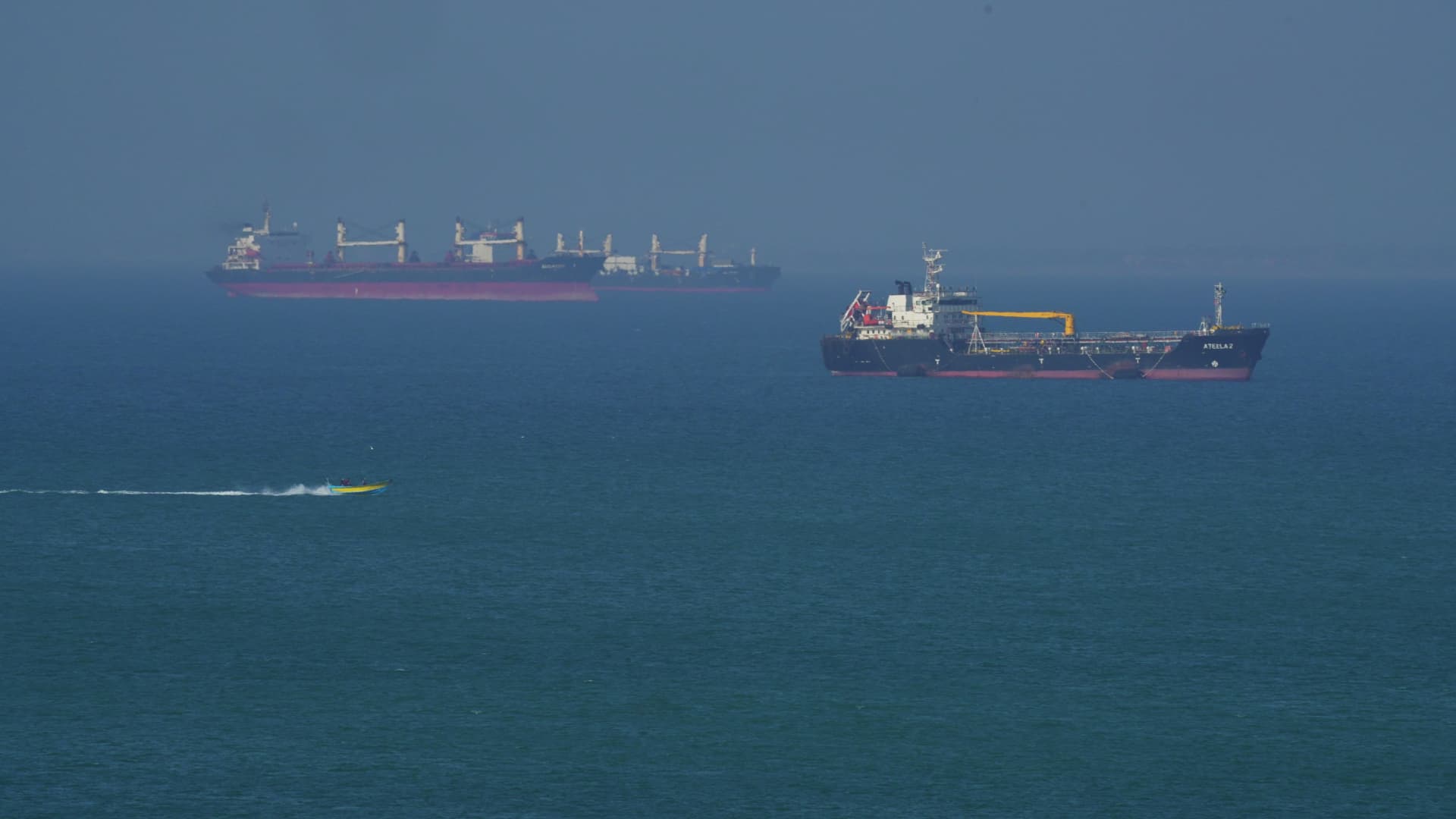
Geopolitical tensions force a re-evaluation of energy logistics as the 60-day War Powers window creates a period of heightened uncertainty for oil traders.
Continue with
Crude oil prices moved higher on Friday as market participants recalibrated risk premiums following the initiation of a 60-day window under the U.S. War Powers Resolution. The legislative clock began ticking after the formal reporting of troop deployments to Congress, creating a definitive timeline for potential escalation or de-escalation in the Middle East. This development places the Strait of Hormuz, a critical maritime chokepoint for global energy supplies, at the center of near-term price volatility.
Strait of Hormuz Transit Vulnerability
The Strait of Hormuz remains the most significant variable for global crude supply chains. Any disruption to the flow of tankers through this narrow passage has historically triggered immediate price spikes due to the high volume of daily exports originating from Gulf producers. The current geopolitical tension forces a re-evaluation of shipping insurance premiums and transit safety, as the 60-day deadline creates a period of heightened uncertainty for energy logistics. If the situation remains unresolved as the deadline approaches, the risk of preemptive supply hoarding or rerouting of tankers will likely intensify.
Inventory and Supply Chain Sensitivity
Global energy markets are currently sensitive to any news that threatens the stability of production hubs or transit corridors. While physical inventories remain sufficient for immediate demand, the potential for a sustained blockade or conflict-driven supply shock creates a bullish bias in futures contracts. Traders are monitoring the following factors to gauge the severity of the risk: