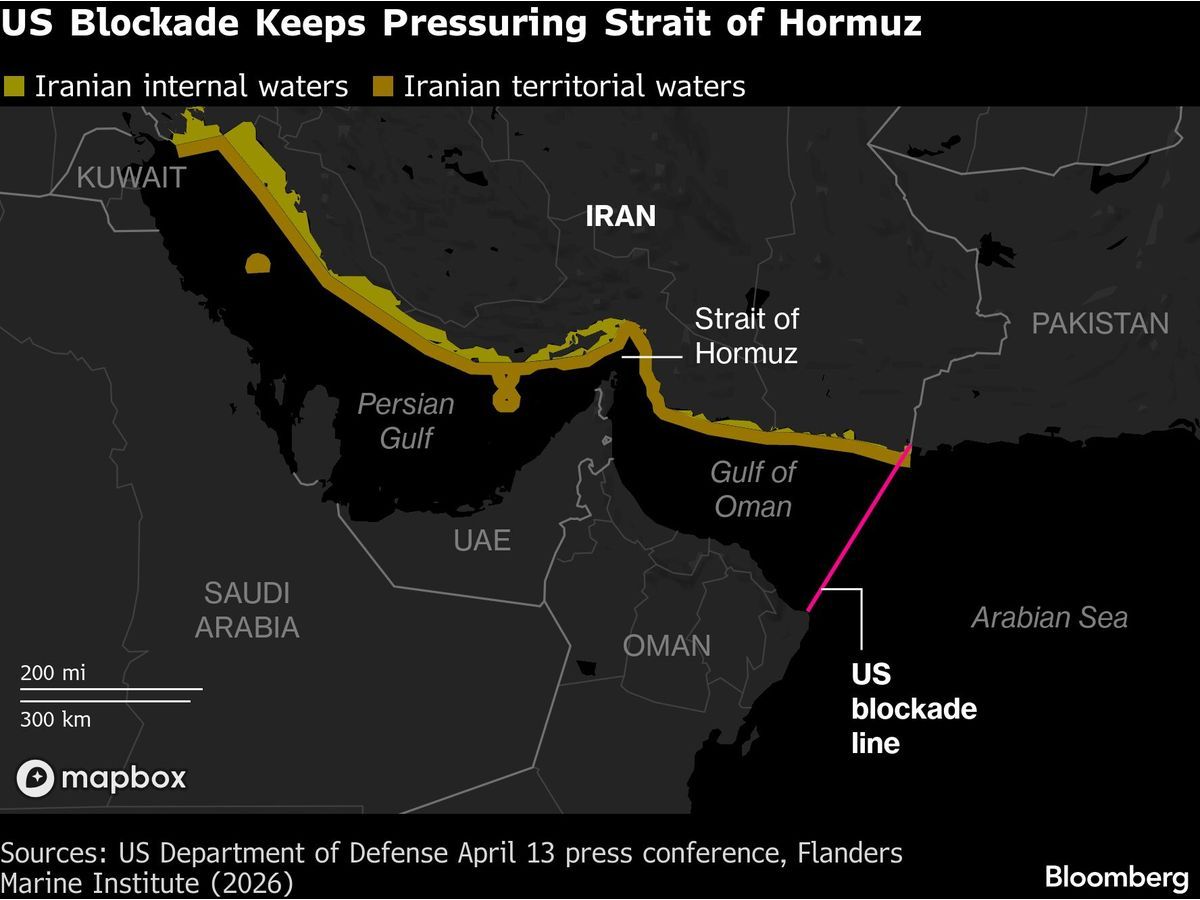
Crude oil prices are extending gains as the market reacts to the prospect of a diplomatic shift regarding Iran. President Donald Trump has convened his national security team to review a formal proposal aimed at ending the ongoing conflict, which has now entered its third month. The potential for a resolution to hostilities in a region critical to global energy production is driving heightened volatility across energy benchmarks.
Supply Chain Sensitivity and Chokepoint Risks
The persistence of the conflict has kept global markets sensitive to any disruption in the flow of hydrocarbons through major maritime corridors. As the situation remains fluid, the market is pricing in the risk of sustained supply constraints that have characterized the last several weeks. Any diplomatic breakthrough would necessitate a recalibration of risk premiums currently embedded in crude futures, especially given the historical significance of the region to global export volumes.
The market is currently navigating a complex interplay of geopolitical uncertainty and physical supply availability. While the potential for a ceasefire or diplomatic resolution offers a path toward stabilization, the immediate impact remains focused on the potential for sudden shifts in production capacity or transit security. Traders are monitoring the following factors as the administration prepares its response:
- The duration of current military engagements and their impact on regional infrastructure.
- The feasibility of restoring full export capacity if diplomatic channels remain open.
- The reaction of regional producers to potential shifts in US policy toward Iranian energy exports.
Market Context and Energy Pricing
Energy markets are currently balancing the risk of supply interruptions against the broader macroeconomic outlook. For further insight into how regional tensions influence energy costs, see our crude oil profile. The current pricing environment reflects a market that is highly reactive to executive-level announcements, particularly those involving major oil-producing nations.
AlphaScala data currently reflects a mixed outlook for various sectors that rely on stable energy costs. Amer Sports, Inc. (AS stock page) holds an Alpha Score of 47/100, while ServiceNow Inc. (NOW stock page) and Shopify Inc. (SHOP stock page) hold scores of 52/100 and 47/100 respectively. These scores underscore the broader sensitivity of consumer and technology sectors to the underlying volatility in commodity markets.
The next concrete marker for the market will be the formal announcement from the White House regarding the Iranian proposal. This statement is expected to provide clarity on the administration's stance and will likely serve as the primary catalyst for the next move in crude futures. Market participants are waiting for specific details on whether the proposal includes provisions for the immediate de-escalation of maritime security threats or the potential easing of sanctions, both of which would have immediate implications for global supply chains.