Stocks● Neutral
How to Spot Long-Term Winners After Wednesday’s Market Rally
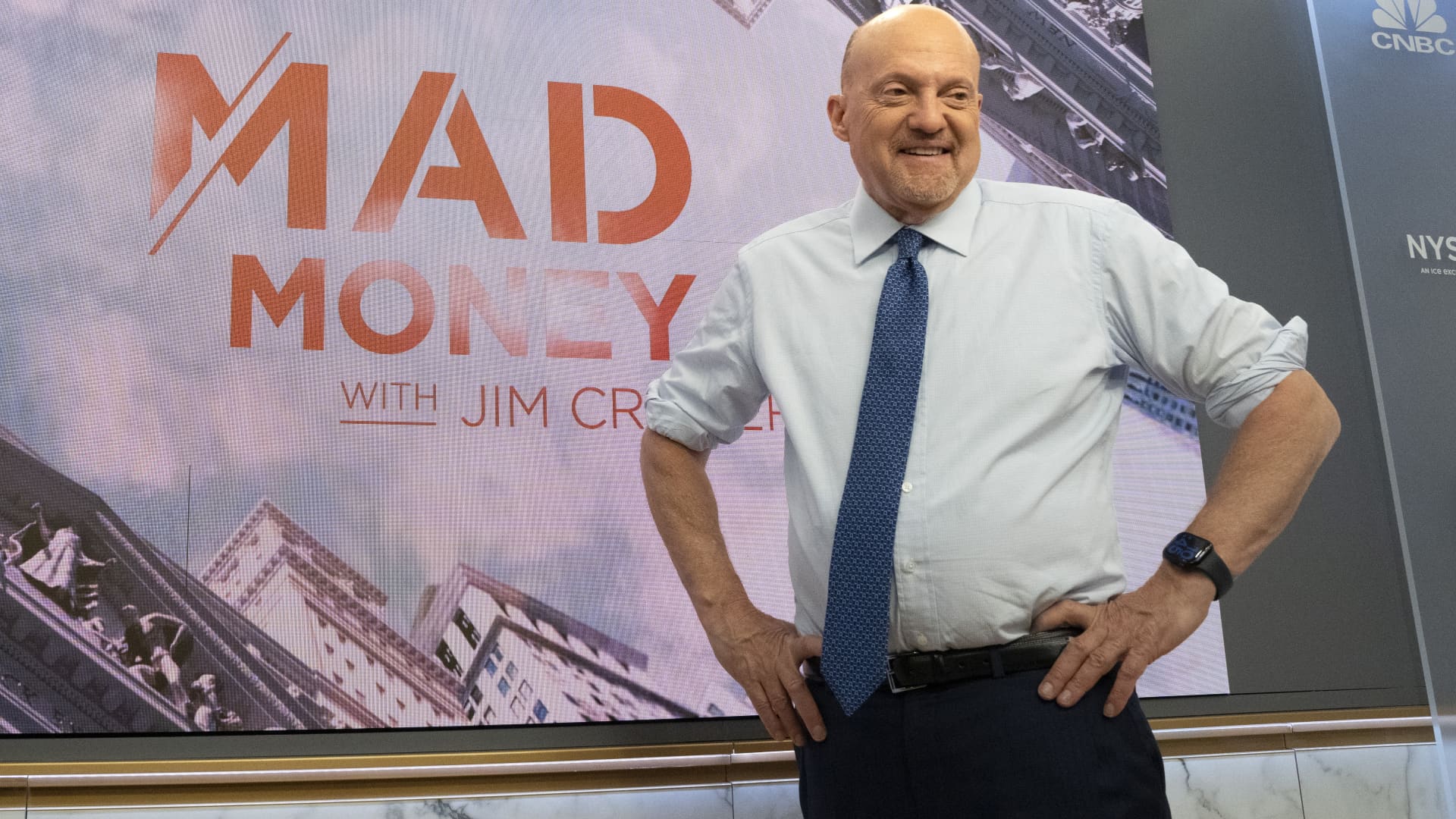
Jim Cramer identifies Wednesday’s price action as a diagnostic tool to filter institutional leaders from laggards. Audit your portfolio for rotation now.
Continue with
Market Sentiment Shifts: Reading the Tape
For active traders, the difference between a reflexive bounce and a trend-defining move often lies in the underlying breadth of the rally. Following Wednesday’s robust market performance, veteran market commentator Jim Cramer has signaled that the day’s price action serves as a critical diagnostic tool for portfolio construction. According to Cramer, the session provided a clear roadmap, effectively separating high-conviction assets from those destined to lag in the current economic environment.
Wednesday’s rally was not merely a broad-based lift; it acted as a litmus test for investor appetite. For those navigating the volatility of the current cycle, Cramer suggests that identifying the leaders of this move is essential for distinguishing between stocks that are fundamentally sound and those that are simply riding a tide of temporary liquidity. As the market attempts to find its footing, the ability to discern which equities are attracting institutional capital—and which are being discarded—is the primary driver of alpha.
Why Wednesday’s Action Matters
Market rallies are frequently characterized by "junk rallies," where heavily shorted or fundamentally weak stocks lead the charge due to short-covering or speculative fervor. Conversely, a "healthy" rally is backed by institutional buying in companies with strong balance sheets, clear earnings visibility, and dominant market positioning.
Cramer’s assessment emphasizes that Wednesday’s market behavior was indicative of the latter. By observing which sectors reclaimed key moving averages and which stocks held their gains through the close, traders can gain insight into where "smart money" is positioning for the next quarterly window. For the retail and professional trader alike, this is a call to audit portfolios: if your holdings didn't participate in the upside during a day of broad market strength, it may be a signal to rotate capital into sectors showing superior relative strength.