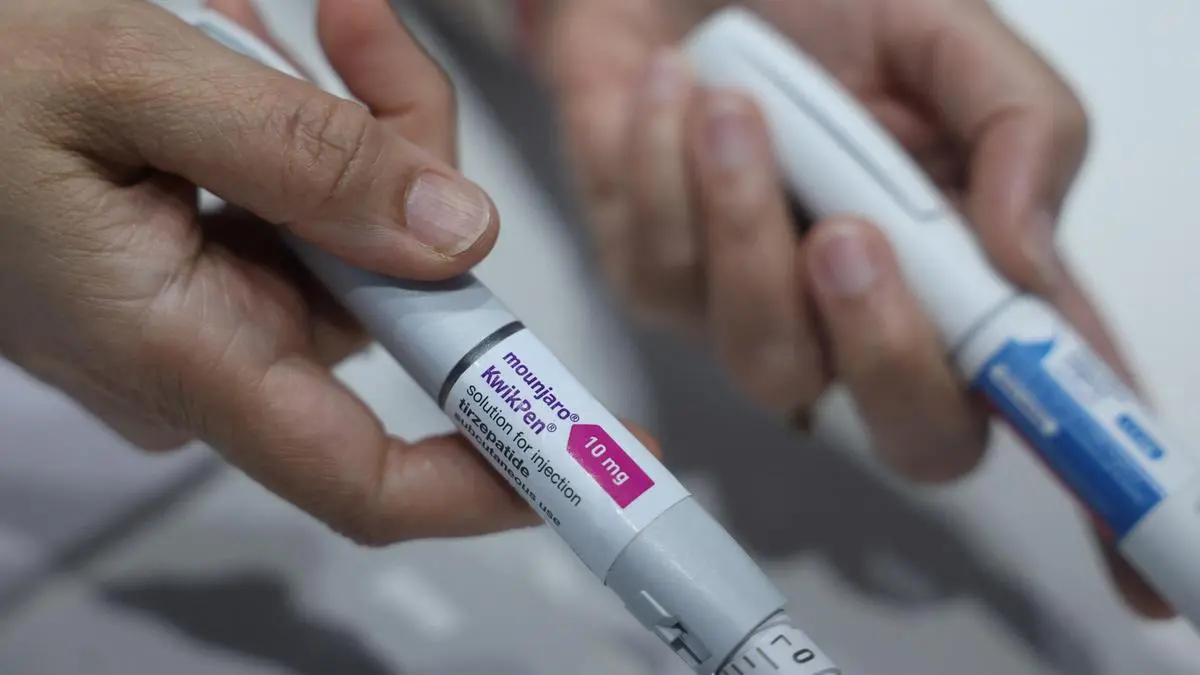
Counterfeit Mounjaro Seizure in India Signals Supply Chain Risks for Eli Lilly

The seizure of counterfeit Mounjaro in India highlights supply chain vulnerabilities for Eli Lilly as demand for its weight-loss medication continues to outpace global supply.
Alpha Score of 47 reflects weak overall profile with moderate momentum, poor value, moderate quality. Based on 3 of 4 signals — score is capped at 90 until remaining data ingests.
Alpha Score of 45 reflects weak overall profile with strong momentum, poor value, poor quality, weak sentiment.
Alpha Score of 55 reflects moderate overall profile with moderate momentum, moderate value, moderate quality. Based on 3 of 4 signals — score is capped at 90 until remaining data ingests.
Alpha Score of 53 reflects moderate overall profile with poor momentum, strong value, strong quality, moderate sentiment.
The discovery of counterfeit Mounjaro in Gurugram has introduced a new layer of operational risk for Eli Lilly. Local authorities seized approximately ₹70 lakh worth of illicit products, prompting the company to confirm its cooperation with the ongoing investigation. This incident highlights the vulnerabilities present in the global distribution of high-demand weight-loss medications, where the gap between supply and patient demand creates an opening for illicit actors.
Impact on Pharmaceutical Distribution Integrity
The seizure underscores the challenges pharmaceutical manufacturers face when managing global supply chains for blockbuster drugs. Mounjaro has seen significant demand growth, and the emergence of counterfeit versions in a major market like India suggests that the illicit trade is attempting to capitalize on the product's brand recognition. For Eli Lilly, the priority is to maintain the integrity of its distribution channels while preventing the erosion of patient trust. The company is now navigating the legal and regulatory fallout of this seizure, which may necessitate increased investment in supply chain security and authentication technologies.
Sector Read-Through and Regulatory Pressure
This event serves as a reminder of the broader risks within the GLP-1 sector, where rapid adoption has outpaced manufacturing capacity. Similar to the trends discussed in Consumer Discretionary Exposure Shifts as Outdoor Recreation Trends Diverge, the pharmaceutical sector is seeing shifts in how products reach end-users. Regulatory bodies are likely to increase scrutiny on local pharmacies and online distribution platforms to prevent further infiltration of counterfeit goods. Investors should monitor how these regulatory responses affect the company's ability to scale distribution in emerging markets without compromising safety standards.
AlphaScala Data and Market Positioning
While the current focus is on Eli Lilly, broader technology and manufacturing supply chains remain under observation. For context on broader sector health, the ON stock page shows an Alpha Score of 45/100, reflecting a mixed outlook for the technology sector. The pharmaceutical industry faces a different set of pressures, primarily centered on product authenticity and manufacturing throughput. As the company works with local regulators, the primary marker for investors will be the implementation of enhanced verification protocols for its international shipments.
Future updates from the Gurugram investigation will serve as the next concrete marker for the company. The outcome of this inquiry will likely dictate whether Eli Lilly needs to overhaul its regional distribution partnerships or if this remains an isolated incident of illicit activity. The company's ability to contain this issue will be critical to maintaining its market position as it continues to expand the global footprint of its flagship metabolic health portfolio.
AI-drafted from named sources and checked against AlphaScala publishing rules before release. Direct quotes must match source text, low-information tables are removed, and thinner or higher-risk stories can be held for manual review.