Couche-Tard posted higher fourth-quarter profit and revenue, sending shares higher. The convenience-store operator reported US$19.5 billion in revenue, up from US$16.27 billion a year earlier. Net earnings rose to US$508.1 million, or 91 cents per diluted share, compared with US$416.5 million. The company, based in Laval, Quebec, keeps its books in U.S. dollars. Revenue climbed about 20%, reflecting its network of more than 14,000 locations across North America and Europe. Acquisitions, including the purchase of TotalEnergies' retail assets, have added to the top line in recent years. The results ease some near-term uncertainty around Couche-Tard's growth, especially as fuel margins face pressure from volatile crude prices. Couche-Tard shares rose on the report.
BlackBerry also delivered a stronger quarter, prompting an upward revision to its full-year outlook. The cybersecurity and IoT software company generated US$151 million in revenue for its fiscal fourth quarter, up from $143 million. It now expects fiscal 2027 revenue of $508 million to $533 million, a range that sits below the $541 million reported in fiscal 2026 but reflects confidence from the latest quarter. The revenue gain was modest. The guidance raise signals that BlackBerry sees sustained demand in its core software units. The company has completed its transformation away from smartphones, and the latest results suggest its cybersecurity and IoT businesses are gaining traction. BlackBerry shares rose on the news.
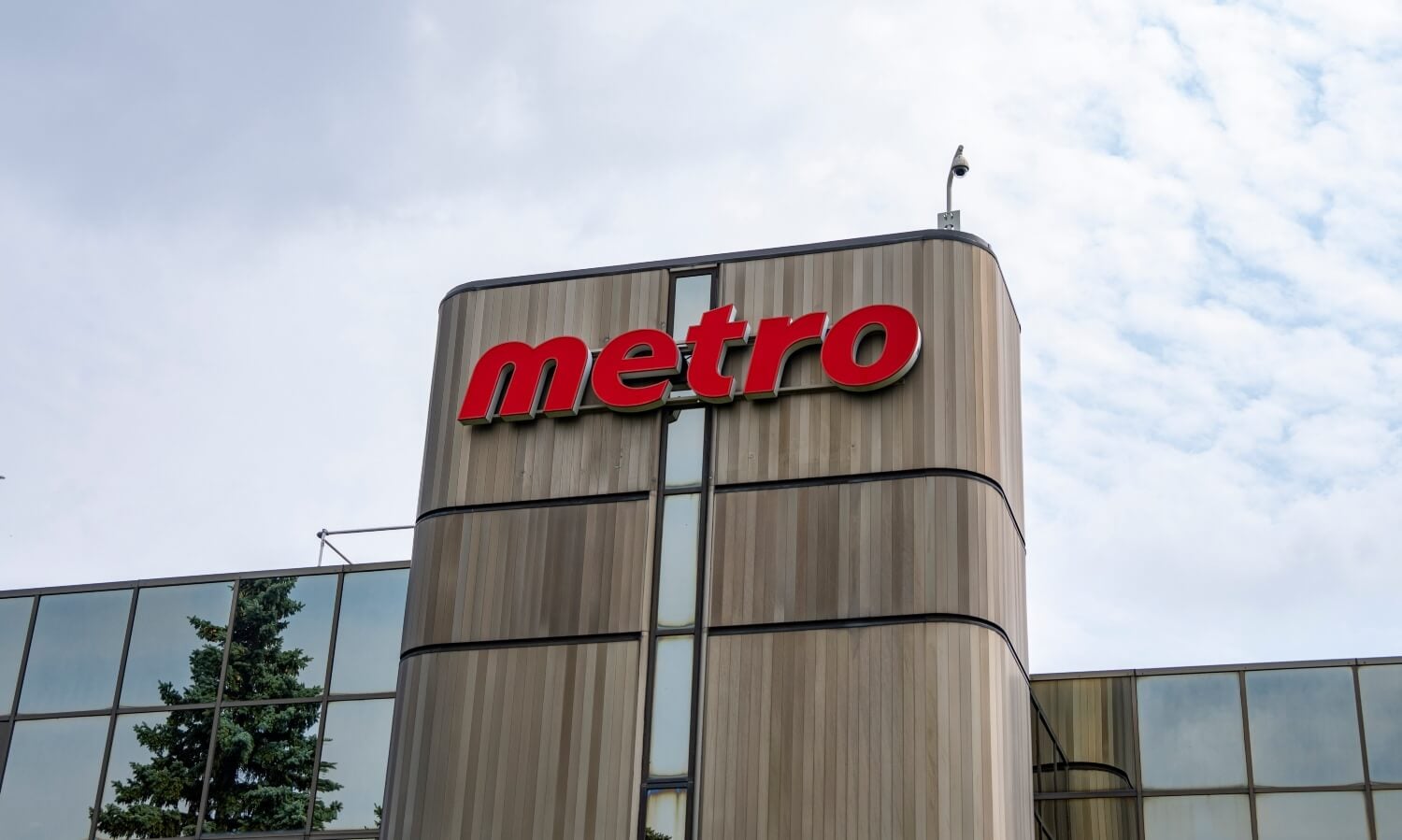
Metro faced a different story. The grocer's second-quarter profit fell to C$164.1 million from C$215.7 million a year earlier, hurt by a strike that began Jan. 23 and ended in March. Sales dropped to C$4.45 billion from C$4.73 billion. Adjusted earnings per share came in at 71 Canadian cents, below the 73 cents analysts expected, according to Bloomberg consensus. The strike, which affected distribution centers and some stores in Ontario, weighed on both revenue and profit. Metro did not quantify the impact. The labor disruption was a major factor. The strike lasted just over two months, forcing the company to manage supply constraints. With the dispute resolved, Metro's next quarterly report will show whether customer traffic returns to pre-strike levels and whether the grocer can regain lost sales in its largest market. Metro shares declined on the miss.
Investors reacted in line with the reports. Couche-Tard shares gained. BlackBerry shares also rose. Metro's stock declined after the strike-driven earnings miss. The next set of results for all three companies will test whether the positive trends at Couche-Tard and BlackBerry continue and whether Metro can recapture business.