Earnings● Neutral
Connexion Mobility Buys Workshop for 25–35% EPS Lift
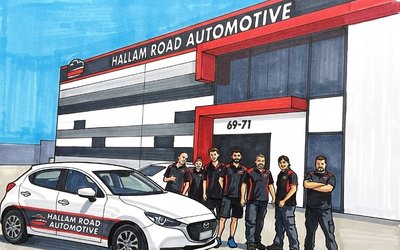
Connexion Mobility (ASX: CXZ) acquires Hallam Road Automotive for ~A$5m, lifting EPS 25–35%. Adds AUD earnings hedge and workshop platform. Integration risk and cash metrics define the watchlist.
Continue with
Connexion Mobility (ASX: CXZ) is acquiring Melbourne workshop Hallam Road Automotive for about A$5 million, a deal management expects to lift earnings per share by 25% to 35% while giving the software-focused company a physical operating base in the Australian automotive aftermarket.
The acquisition includes A$4 million in upfront cash and a potential A$1 million earn-out paid over 12 months. Connexion will fund the cash component from existing resources and a new A$2.5 million amortising debt facility from National Australia Bank.
Hallam Road founder Elie Chakkour will stay on for a 12-month paid handover consultancy to manage continuity across staff, customers, and supplier relationships. The workshop operates a nine-bay facility with an 11-person team and a customer mix split roughly 60% commercial and 40% retail.
Connexion held net cash and investments of US$5.6 million at the end of March 2026, giving it room to absorb the acquisition without straining its balance sheet. The NAB debt covers about half the upfront cash, with the rest coming from internal funds.
Why Hallam Road Fits Connexion's Strategy
Connexion's existing business supplies enterprise-grade mobility software to the global automotive retail industry. Its OnTRAC and Connexion platforms manage fleet, contract, telemetry, and data analytics for dealership courtesy transport networks. Revenue is almost entirely software-based and US-dollar denominated.
Earnings Diversification Beyond Software
The Hallam Road acquisition adds a profitable Australian-dollar earnings stream that is not tied to software subscription cycles or discretionary tech spending by dealers. Connexion management has been assessing targets that improve the size, sustainability, and diversification of its EPS. Hallam Road checks all three boxes.
A 25%–35% EPS accretion on a single bolt-on acquisition is material for a company of Connexion's size. The uplift comes from layering a higher-margin service business onto a lean software cost base. The company does not disclose trailing net income for Hallam Road, the EPS guidance implies the workshop generates annual profit of roughly A$1.5 million to A$2 million on the implied purchase multiple of 2.5x–3.3x earnings.
Australian-Dollar Earnings Hedge
Connexion's software revenue is earned in US dollars but reported in Australian dollars. A weakening AUD against the USD inflates reported revenue, the opposite direction compresses margins. Hallam Road's AUD-denominated earnings provide a natural hedge, smoothing the impact of currency swings on group results.
This is not a hedge in the traditional sense, the effect is similar: as the AUD weakens, the workshop's AUD contribution converts to more USD-equivalent earnings. Conversely, a strong AUD reduces the translation gain on software revenue and also reduces the translation impact of the workshop's earnings. The net effect lowers currency noise.
The Workshop Business Model and Market Tailwinds
Hallam Road operates in the Australian automotive aftermarket, a segment driven by vehicle safety compliance, warranty requirements, and resale value. Demand is not discretionary. Drivers need their cars serviced to keep them roadworthy and insured.
Right-to-Repair and Fleet Age Tailwinds
Two structural factors work in the workshop's favour. The average age of the Australian vehicle fleet is about 11.6 years, meaning more vehicles are out of factory warranty and rely on independent workshops rather than dealer service centres. Older cars also require more frequent repairs, lifting average job value.
Right-to-reform changes in Australia require vehicle manufacturers to make technical repair information available to independent repairers at fair market prices. That levels the playing field with franchised dealers and gives workshops like Hallam Road access to the diagnostic information needed to service modern vehicles.