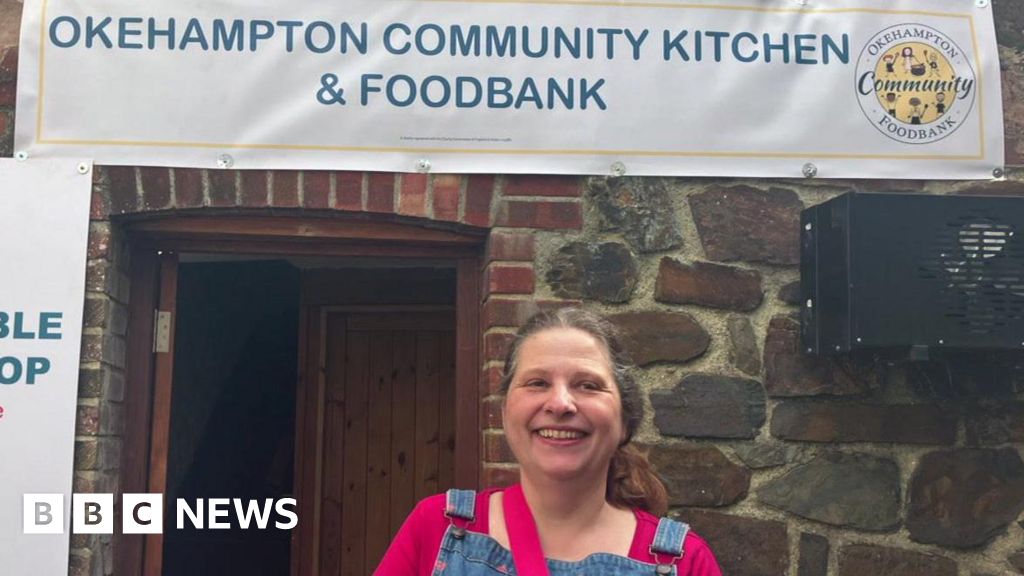
The emergence of dignified retail models in local food distribution represents a structural shift in how essential goods reach vulnerable populations. By moving away from the traditional pre-prepared parcel system toward a choice-based shopping experience, organizations like the Okehampton food shop are altering the consumption narrative within the retail sector. This transition prioritizes individual agency and reduces the stigma often associated with charitable food assistance.
Operational Shifts in Local Retail
The shift to a selection-based model allows for more efficient inventory management and reduces waste by aligning supply with actual demand. When users select their own items, the organization gains direct insight into consumer preferences and nutritional priorities. This data-driven approach to local charity mirrors broader trends in retail where personalized experiences drive engagement and satisfaction. For the local economy, this model stabilizes demand for staple goods while providing a more sustainable alternative to centralized distribution hubs.
Sector Read-Through and Market Context
While this specific initiative operates on a charitable basis, the underlying logic of consumer-led selection is a critical component of modern retail strategy. Large-scale retailers often struggle with the balance between inventory control and customer autonomy. The success of choice-based models in the non-profit sector highlights a growing preference for transparency and personal control in the procurement of essential items. As stock market analysis continues to track shifts in consumer behavior, the ability of firms to adapt to these preferences remains a key performance indicator.
AlphaScala data currently reflects a mixed outlook for several major players in the technology and utility sectors, including SHOP stock page with an Alpha Score of 48/100, SO stock page with a score of 46/100, and ON stock page with a score of 45/100. These scores indicate that while operational efficiency is high, broader market volatility continues to influence valuation metrics across diverse industries.
The Path Toward Scalable Distribution
The next concrete marker for this model will be its ability to scale across different geographic regions without losing its core mission of dignity. Policymakers and local stakeholders will monitor how these shops manage supply chain logistics and whether they can maintain consistent inventory levels as demand fluctuates. The integration of digital tracking or inventory management software could serve as the next logical step for these organizations to optimize their impact. Future assessments will focus on whether these community-led retail structures can influence larger commercial supply chains or if they will remain a localized solution to food insecurity.