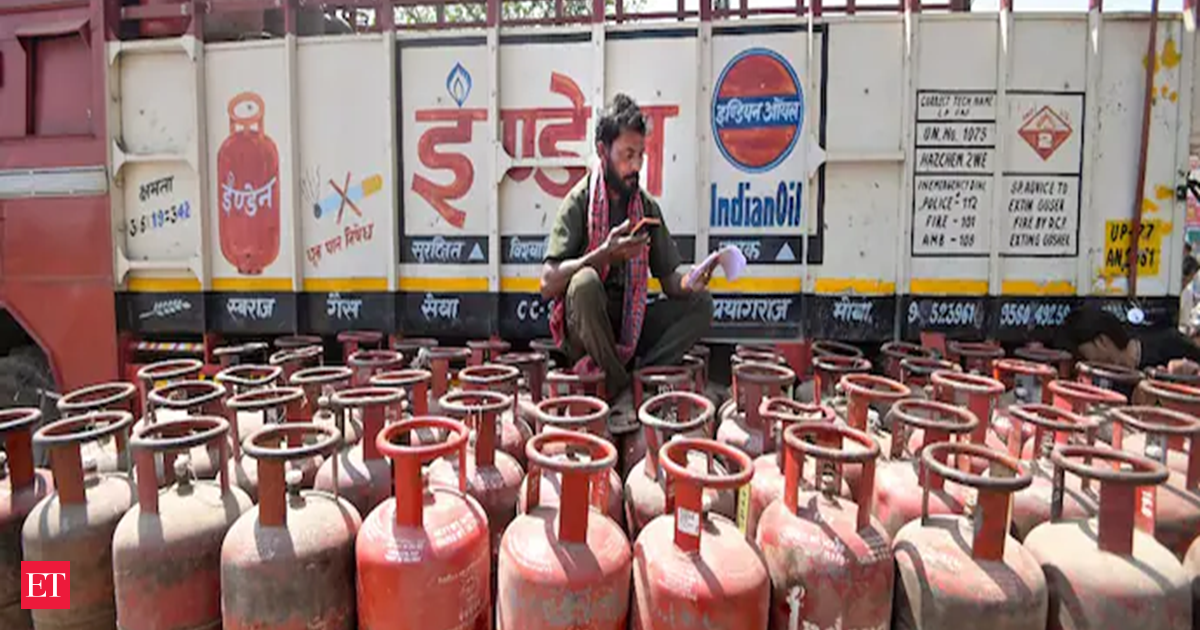
The energy landscape shifted significantly on May 1, 2026, as commercial LPG cylinder prices spiked by Rs 993. This sharp increase, which brings the cost of a commercial unit in Delhi to Rs 3,071.50, reflects immediate pressure on global energy logistics. The primary catalyst for this move is the ongoing conflict involving the United States, Iran, and Israel, which has created acute disruptions near the Strait of Hormuz. Because this chokepoint is critical for global oil and gas transit, the volatility is being passed directly to commercial end-users.
Geopolitical Risk and Energy Cost Transmission
The decision to isolate the price hike to commercial cylinders while leaving domestic 14.2 kg units at Rs 913 suggests a targeted approach to shielding household inflation from immediate geopolitical shocks. Commercial entities, however, now face a substantial cost increase that will likely ripple through the hospitality, catering, and service sectors. The magnitude of the hike, nearly 50 percent in a single adjustment, highlights how quickly regional maritime instability can alter the operating environment for businesses reliant on fossil fuel derivatives.
Energy-intensive sectors often serve as a bellwether for broader industrial health. While the current focus remains on LPG, the underlying supply chain constraints in the Strait of Hormuz threaten to broaden the scope of cost increases to other refined products. Investors monitoring the stock market analysis should consider how these energy inputs affect margin compression for companies with high exposure to commercial food service and logistics.
Sectoral Impact and Valuation Sensitivity
Companies operating within the basic materials and technology sectors often face indirect pressure when energy costs spike. For instance, firms like Reliance, Inc. (RS stock page) currently hold an Alpha Score of 44/100, reflecting a mixed outlook as they navigate volatile input costs. Similarly, ON Semiconductor Corporation (ON stock page) maintains an Alpha Score of 45/100, indicating that manufacturing-heavy entities are currently balancing operational efficiency against rising utility and logistics expenses.
- Delhi: New price of Rs 3,071.50 with an increase of Rs 993.
- Kolkata: New price of Rs 3,202 with an increase of Rs 994.
The next concrete marker for this narrative will be the monthly review of fuel pricing structures and any subsequent adjustments to domestic subsidies. If the disruptions in the Strait of Hormuz persist, the pressure to pass costs to the consumer will intensify, potentially forcing a policy shift regarding domestic price caps. Market participants should monitor upcoming government energy bulletins for signs of further intervention or a potential easing of the supply bottleneck.