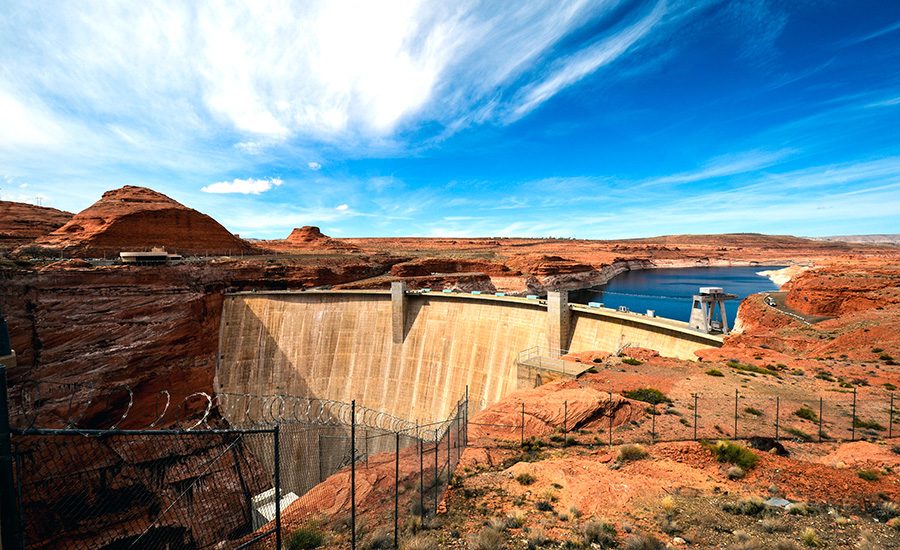
The formal approval of emergency water transfers from the Flaming Gorge Reservoir to Lake Powell marks a critical shift in the management of the Colorado River basin. By authorizing these releases, Upper Basin states are attempting to prevent water levels at Lake Powell from dropping below the critical threshold required for consistent hydropower generation. This move acknowledges that current drought conditions have moved beyond seasonal variability and into a structural deficit that threatens the operational viability of major regional infrastructure.
Hydropower Stability and Operational Risk
The reliance on emergency releases highlights the fragility of the existing hydroelectric network. When reservoir levels approach the minimum power pool, the ability to generate electricity diminishes, forcing grid operators to seek more expensive and carbon-intensive alternatives. This transition creates immediate cost pressures for utilities that depend on low-cost federal hydropower to stabilize their rate structures. The decision to prioritize water levels at Lake Powell suggests that the primary objective is to maintain grid reliability rather than to optimize for long-term conservation or agricultural allocation.
Capital Investment and Infrastructure Path
This emergency measure serves as a precursor to broader capital expenditure requirements across the Western United States. As the basin faces persistent supply-demand imbalances, the focus will likely shift toward significant infrastructure upgrades and modernization projects designed to improve water efficiency and storage capacity. Investors should monitor how these regional water constraints influence the credit profiles of municipal utilities and the long-term viability of energy-intensive industries operating within the affected states. The current strategy of using emergency transfers is a temporary stopgap that delays, but does not resolve, the underlying need for systemic capital investment.
AlphaScala Data Context
Market participants evaluating the broader industrial and utility landscape often look to regional infrastructure stability as a baseline for risk assessment. While companies like ON Semiconductor Corporation maintain complex supply chains that require reliable power and water access, their operational resilience is increasingly tied to the stability of regional grids. Currently, ON holds an Alpha Score of 45/100, reflecting a mixed outlook as the firm navigates broader sector volatility. Similarly, Amer Sports, Inc. operates with an Alpha Score of 47/100, illustrating the diverse ways in which consumer-facing and industrial firms are impacted by shifting resource availability and stock market analysis trends.
Future developments will hinge on the formal authorization from the Department of the Interior and the subsequent impact on reservoir elevation data. The next concrete marker for this narrative is the release of the Bureau of Reclamation’s 24-month study, which will provide updated projections on whether these emergency transfers are sufficient to maintain power generation through the next fiscal cycle. Any failure to stabilize levels will likely trigger more aggressive water curtailment policies, further complicating the operational environment for regional stakeholders.