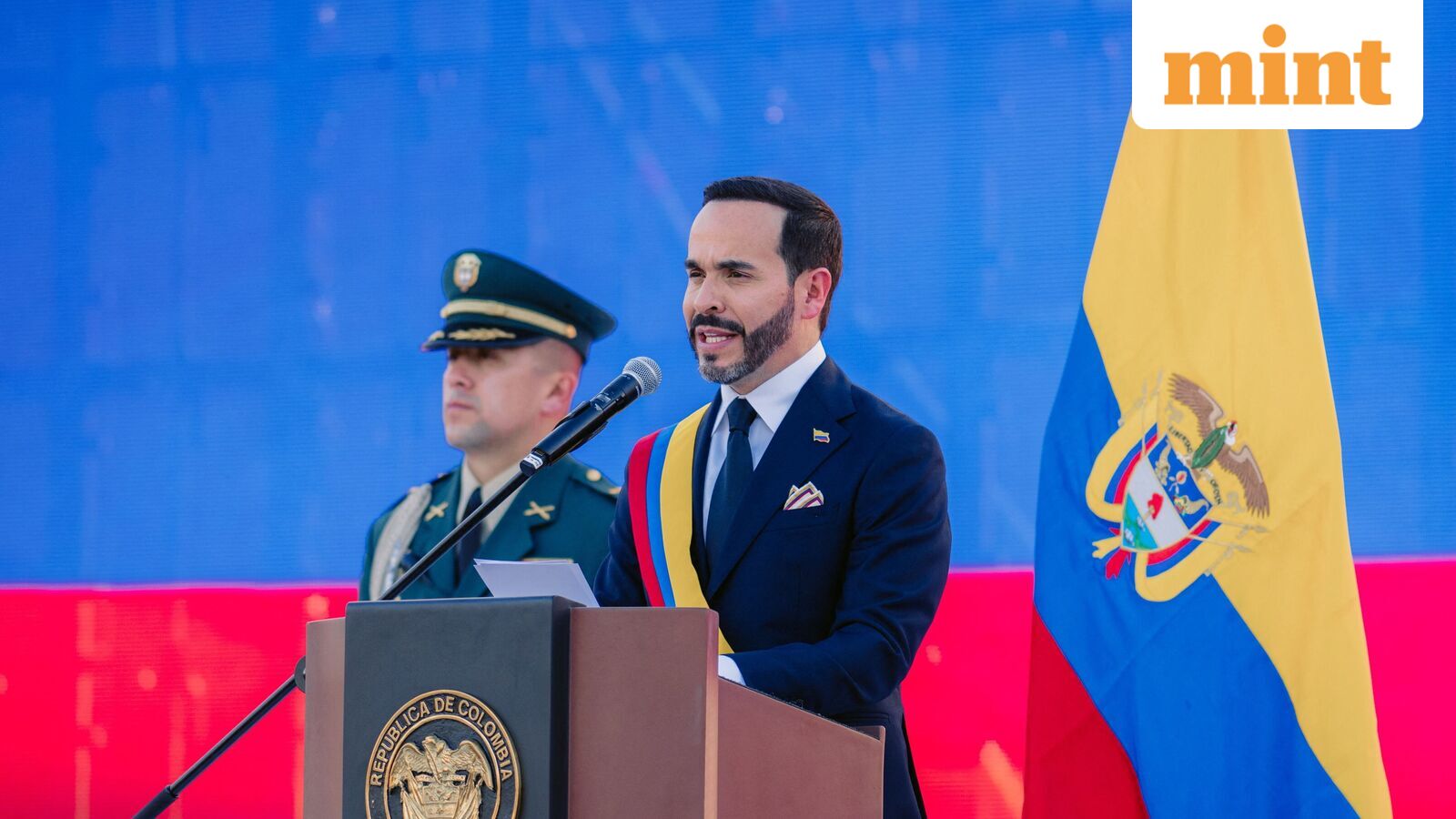
Abelardo de la Espriella took office as Colombia's president on Friday, vowing a hard line against crime and insurgency. The conservative lawyer succeeds leftist Gustavo Petro after a campaign centered on restoring order in rural zones where armed groups still operate.
De la Espriella secured a $1 billion US financial package alongside his inauguration. The money is earmarked for equipment, intelligence sharing, and training, according to officials familiar with the arrangement. The two governments have not released a detailed breakdown of how the funds will be allocated, and congressional approval in Washington could slow disbursement.
His first public statements as president leaned heavily on security. He promised to expand police presence in conflict zones and target the financing networks of rebel and drug-trafficking groups. US officials said the package reflects a shared interest in curbing cocaine production and migration pressures.
The new president inherits a country where peace talks with the National Liberation Army (ELN) have stalled and violence in border areas has displaced thousands. His pledge to scrap negotiations in favor of military pressure has drawn both support and criticism. Critics warn that a purely combative approach could repeat the failures of past administrations.
Economic constraints will test his agenda. Colombia's fiscal deficit and debt service costs limit how much the government can spend on security without new taxes or further borrowing. The $1 billion US package covers only a fraction of what analysts estimate a full security overhaul would cost.
For markets, the change in Bogotá carries mixed signals. A tougher security posture could improve investor confidence in energy and mining regions where attacks on infrastructure have disrupted output. Uncertainty around fiscal policy and the pace of aid delivery keeps the peso and local bonds on edge.
De la Espriella's first test will come within weeks when his government presents its budget and security plan to Congress. The reception there, and in Washington, will shape whether the $1 billion translates into visible results or becomes a talking point.