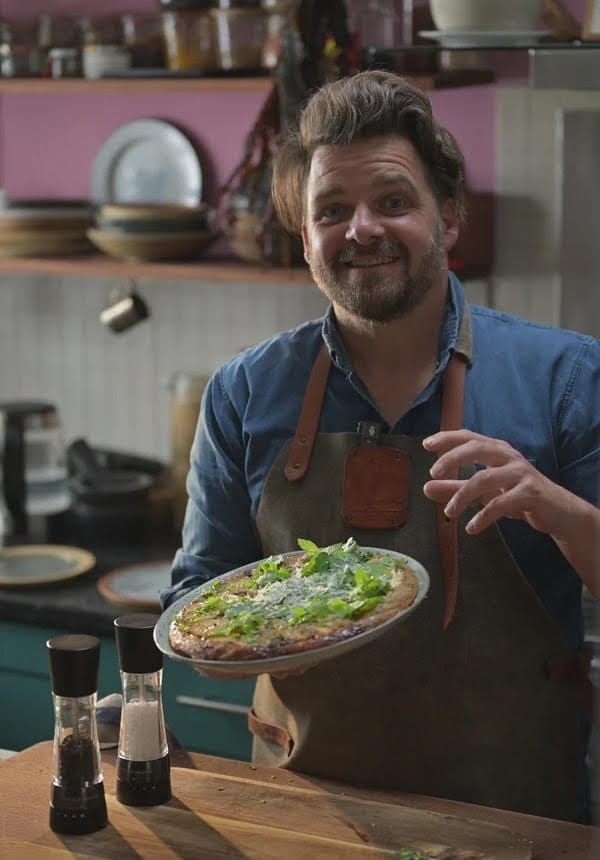
Cole & Mason partners with a Guild of Food Writer to launch the Art of Seasoning campaign, shifting focus toward sustainable culinary expertise and design.
Cole & Mason has entered a strategic partnership with an eco-chef and Guild of Food Writer to promote its seasoning tools. This move shifts the brand focus toward sustainability and culinary expertise to differentiate its kitchenware products in a crowded retail landscape.
The collaboration centers on the Art of Seasoning campaign. By aligning with a recognized food writer, the company aims to move beyond simple hardware utility and position its mills and grinders as essential instruments for professional-grade flavor control. This shift targets the premium home-cooking segment where consumers prioritize both aesthetic design and functional precision.
The kitchenware sector is currently navigating a transition toward value-added marketing. As household spending on discretionary home goods faces pressure, brands are increasingly relying on influencer partnerships and sustainability narratives to maintain pricing power. Cole & Mason is leveraging its heritage in seasoning to capture interest from home cooks who are looking for tools that offer longevity and environmental consciousness.
This partnership serves as a test for the brand to see if culinary authority can drive higher conversion rates compared to traditional product-focused advertising. The company is betting that the association with an eco-conscious culinary expert will resonate with modern consumers who value ethical sourcing and professional techniques in their own kitchens.
The next marker for this strategy will be the rollout of campaign-specific content across digital channels. Investors and retail analysts will monitor whether this pivot to expert-led marketing results in increased engagement or higher sales volume for the company's core seasoning range. Future product launches or expanded partnerships will likely depend on the performance of this initial campaign in the coming quarter.
AI-drafted from named sources and checked against AlphaScala publishing rules before release. Direct quotes must match source text, low-information tables are removed, and thinner or higher-risk stories can be held for manual review.