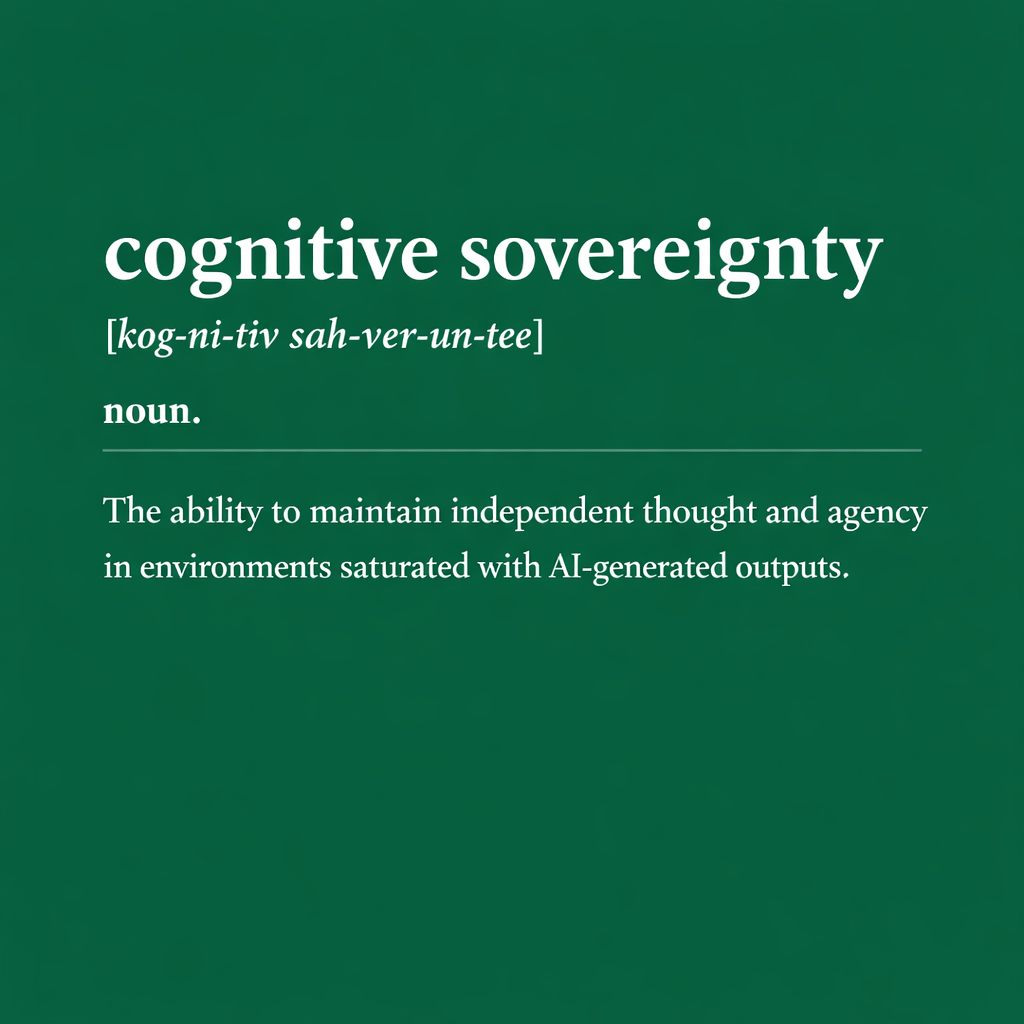
The rapid integration of generative AI into corporate workflows has shifted the primary risk from simple technical error to the erosion of human judgment. As firms increasingly rely on automated synthesis for decision-making, the reliance on algorithmic outputs threatens to diminish the cognitive sovereignty required for high-stakes capital allocation and strategic planning. This shift represents a fundamental change in how institutional value is generated and defended.
The Erosion of Independent Analysis
When AI systems provide the baseline for market research or operational strategy, the human role often transitions from analyst to editor. This transition creates a feedback loop where the model reinforces existing data patterns, potentially masking outliers or structural shifts that a human observer might otherwise identify. The danger is not that the AI produces incorrect data, but that the human operator loses the capacity to challenge the underlying assumptions of the model. In sectors where stock market analysis relies on nuanced interpretation of macroeconomic signals, this reliance can lead to a homogenization of strategy across the industry.
Maintaining human judgment requires a deliberate separation between data processing and final decision-making. Firms that prioritize data literacy ensure that their teams understand the provenance and limitations of the inputs feeding their AI tools. This approach treats AI as a utility for efficiency rather than a source of strategic truth. By keeping humans in the loop, organizations can preserve the ability to identify when a model is operating outside of its intended parameters or when market conditions have evolved beyond the training data.
Strategic Infrastructure and Model Dependency
The infrastructure supporting these AI systems is becoming a critical point of failure for firms that fail to maintain cognitive independence. As seen in the OpenAI-Microsoft Cloud Pact Revision Signals Strategic Shift in AI Infrastructure, the concentration of AI capabilities within a few major providers creates a systemic risk. If an entire sector relies on the same underlying architecture to process information, the potential for correlated errors increases significantly. This creates a scenario where market participants may react to the same algorithmic signals simultaneously, leading to increased volatility.
AlphaScala data currently tracks T (AT&T Inc.) with an Alpha Score of 58/100, labeling the stock as Moderate within the Communication Services sector. You can view further details on the T stock page. This score reflects the balance between operational stability and the ongoing challenges of capital-intensive infrastructure management in a rapidly evolving digital landscape.
The Next Marker for Institutional Oversight
The next phase of this evolution will be defined by how regulatory bodies and internal audit committees define the standards for AI-assisted decision-making. We expect to see a shift toward mandatory disclosure requirements regarding the extent of AI involvement in financial reporting and investment strategy. The concrete marker to watch is the implementation of internal governance frameworks that require a documented human review process for any AI-generated recommendation. Organizations that fail to establish these protocols risk not only operational inefficiency but also a loss of the critical judgment that defines long-term competitive advantage. The ability to distinguish between automated output and genuine insight will become the primary differentiator for firms navigating the current cycle of macro volatility and the structural shift in capital allocation.