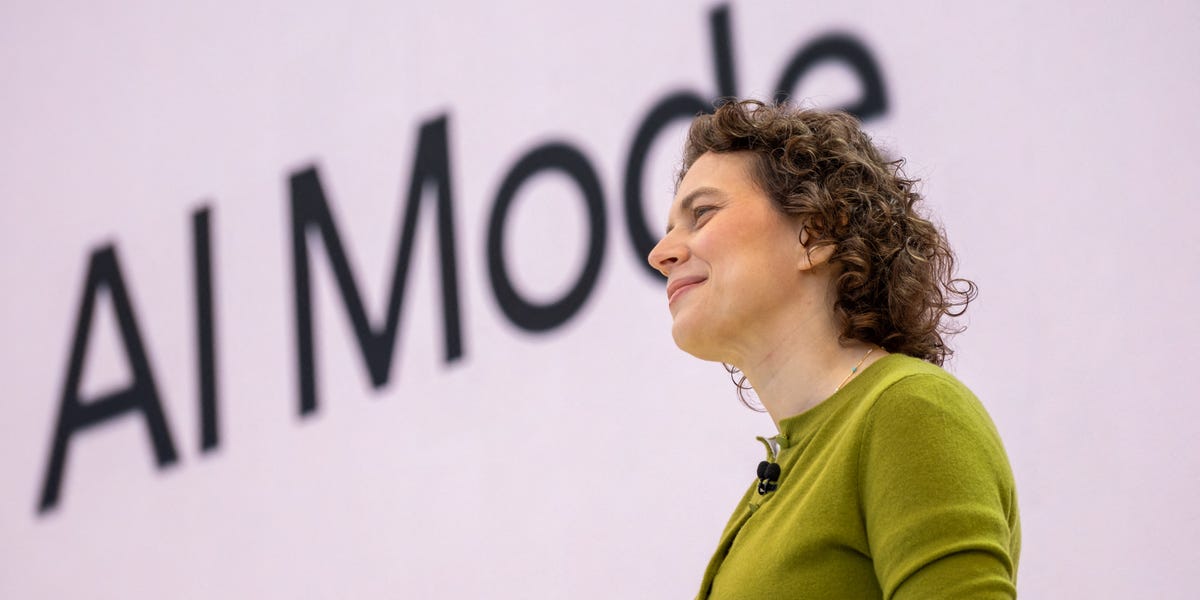
Loading audio narration... That sentence is not from the source. Google is consolidating its AI product line and updating its iconic Search box for the AI era. For a company that has made driverless cars, AI chips, and fitness trackers, Search remains the most important product. The update represents the biggest single overhaul of Search since inception, and the implications reach well beyond one product line.
The Catalyst: Google's AI Product Consolidation
Google is pulling together its various AI offerings – Bard, Makersuite, Duet AI, and Search Generative Experience – into a unified layer that sits on top of the search engine. Rather than releasing separate chatbots or tools, the company is weaving generative answers directly into the core search results page. The change is not a beta test or a gradual roll-out; it is a re-architecture of how Google answers queries.
The naive read is that better search results increase user engagement, which benefits Alphabet's (GOOGL) ad business. The better market read recognizes a more complex chain. When Search answers a question with a generated paragraph, users have less reason to click on organic links or sponsored results. Fewer clicks mean lower ad click-through rates, even if total search volume rises. The mechanism threatens the cost-per-click model that has funded Google's margin structure for two decades.
Why It Matters Now: The Execution Risk in Search Monetization
Alphabet has been testing generative answers for months through its Search Generative Experience program. The full rollout introduces execution risk on three fronts. First, every generated answer consumes more compute than a standard search, raising infrastructure costs per query. Second, ad placement logic must shift from keyword matching to intent parsing, a transition that can misfire and dilute advertiser confidence. Third, publishers whose traffic depends on search referrals may see a sharp decline, triggering a long-term content supply problem for Google's index.
The shift comes at a moment when regulatory scrutiny of Google's search monopoly is rising in both the U.S. and the EU. Any misstep in ad monetization of AI answers could become an exhibit in antitrust proceedings. Advertisers and publishers now face an uncertain cost structure, which will likely show up in quarterly spending decisions.
The Affected Ecosystem: Alphabet (GOOGL) and the Digital Ad Market
Alphabet's Search revenue was over $175 billion in 2023. Even a 5% compression in cost-per-click rates would represent an $8.75 billion revenue impact, assuming no volume offset. Competitors such as Microsoft's Bing (backed by OpenAI) and smaller search engines are already positioning their own AI answers as privacy-preserving alternatives. The value of competitive search traffic could rise if Google's AI integration reduces open-web click volume.
On the positive side, Google's vast user base and existing advertiser relationships create a moat. If Alphabet can successfully match AI-generated answers with contextually relevant sponsored responses, it could maintain revenue per query. That outcome is not guaranteed. The transition period – likely 12 to 18 months – will reveal whether advertisers accept lower click-through rates in exchange for higher conversion intent.
The Decision Point: Tracking Ad Metrics and Competitor Response
The next concrete marker is the first full quarter after the unified AI search layer goes live. Earnings calls from Alphabet will feature granular questions on cost-per-click trends and search ad revenue. A parallel track is the adoption rate of Google's
Google's Spark Agent Shifts AI to Always-On Proactive Mode
, which suggests the company is also moving toward persistent AI agents that could further reduce manual search entry.
Investors should watch for competitor reports as well. If Bing or other search platforms report increased advertiser interest during this transition, the narrative shifts from Alphabet's incumbency advantage to its execution risk. For now, the makeover is a high-probability catalyst but a low-confidence outcome. The market will need to see actual cost-per-click data before repricing Alphabet's search revenue multiple.