Stocks● Neutral
Coast Entertainment Approval Unlocks $20M Deferred Revenue, Expansion
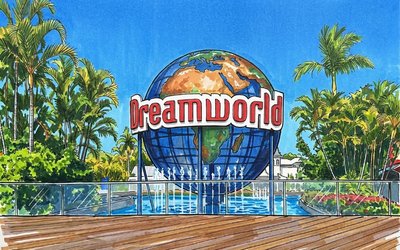
Queensland approves Coast Entertainment's 55ha Coomera masterplan, unlocking Dreamworld expansion and housing. FY revenue rose 21%, ticket sales up 33%, deferred income hits $20.2M.
Continue with
The Queensland government has approved a development application by Coast Entertainment Holdings (ASX: CEH) for its 55-hectare landholding in Coomera, unlocking a four-precinct mixed-use masterplan alongside its existing Dreamworld and WhiteWater World theme parks.
The application, lodged in September 2023, permits an expanded set of land uses under the Dreamworld Development Code. The code covers continued operation and expansion of Dreamworld and WhiteWater World, low-impact eco-tourism experiences such as viewing platforms and guided tours, and a town centre with high-density residential, care facilities, health services, retail, and hospitality.
Chief executive Greg Yong said the approval gave the company greater certainty over the future uses and development potential of the Coomera site.
“The scale of what is possible here is significant – we are situated at the heart of the southern hemisphere’s largest theme park destination surrounded by a rapidly growing residential community, a burgeoning industrial and marine sector, and the emerging Coomera health precinct,” he said.
“Add to that a chronic shortage of quality hotel accommodation between the northern Gold Coast and Brisbane and a clear tailwind into the 2032 Brisbane Olympic and Paralympic Games, and we believe this is among the most compelling mixed-use development opportunities in the country today.”
Group chair Gary Weiss said the approval was the culmination of “years of considerable effort by management and the board” to secure certainty over the landholding.
FY2026 Results
Coast’s Theme Parks & Attractions business turned in a strong performance for the 2026 financial year, reflecting continued momentum from new attractions launched over the past 18 months.