Stocks● Neutral
Coal India's 35 MT Auction Tests Import-Substitution Case
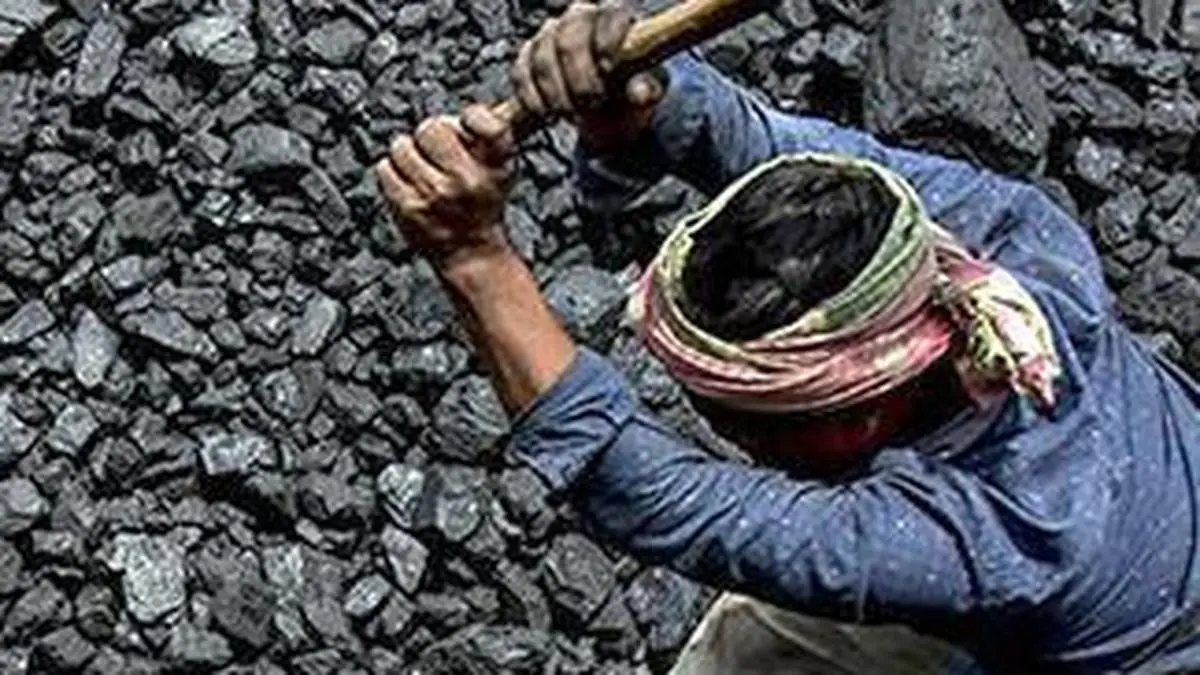
Coal India offered 35 MT of coal under linkage auction on June 12 to cut high-GCV imports by sponge iron producers. Pre-commissioning linkages and middlings sale flexibility for steel sub-sector also announced.
Continue with
Coal India's 35 MT Offer Targets Import-Heavy Sponge Iron Sector
Coal India (CIL) on Friday announced a series of business-friendly measures for non-regulated sector (NRS) consumers. The headline figure is an all-time high 35 million tonnes (MT) of coal offered under the linkage auction window scheduled for June 12. The state-run miner positioned the move as a direct effort to reduce import dependence on high gross calorific value (GCV) coal, a grade typically consumed by the sponge iron sector.
The filing frames the auction as an import-substitution play. If NRS units book the offered volume, seaborne purchases of high-grade thermal coal should decline. The mechanism matters: auction pricing, logistics, and quality consistency will determine whether the substitution actually occurs at a scale that moves the global market.
The Mechanism: Linkage Auction vs. Import Parity
Linkage auctions under the SHAKTI policy allow NRS consumers to bid for coal supply at prices determined by the auction itself, not by Coal India's notified price. The 35 MT figure is the volume on offer, not guaranteed offtake. Real displacement of imports depends on the final auction price relative to delivered import parity.
Practical rule: Import substitution happens only when the auction-clearing price plus rail freight undercuts the landed cost of seaborne coal. Watch the auction premium over CIL's notified price as the key metric.
For sponge iron producers, high GCV coal is a direct input cost. Every rupee per tonne of savings from domestic sourcing flows straight to the profit-and-loss statement. If the auction clears at a discount to import parity, the sector's input cost base shifts lower. A premium clearing price would negate the import-substitution narrative.
Steel (Coking) Sub-Sector Gets Middlings Sale Flexibility
Coal India agreed to a key demand from the steel (coking) sub-sector: permission to sell coal middlings in the open market. Middlings are power-grade residual byproducts from washing raw coking coal. Some steel plants use middlings for captive power generation. For unused quantities, the new provision allows open-market sale.
This change was enabled under the ongoing tranche-X linkage auctions that began June 3. CIL offered 13.75 MT of coal to the steel (coking) sub-sector in the current tranche. The company also increased the permitted number of consortium partner changes from two to five over the linkage period.
Why the Middlings Rule Changes the Economics
The ability to sell middlings alters the cost structure of coal washing for steel producers. Previously, middlings were a sunk cost – either consumed captively or stockpiled. Now they become a revenue stream. That shift changes the breakeven calculation for washing coking coal, potentially incentivizing higher washing volumes and better raw material quality for blast furnaces.
| Sub-Sector | Volume Offered (MT) | Key Policy Change |
|---|---|---|
| Sponge iron / high GCV | 35.0 | All-time high linkage auction volume |
| Steel (coking) | 13.75 | Middlings sale permitted; consortium changes increased to 5 |
| Power (window-II, short-term) | 57.8 (Jan-May) | SHAKTI auction on June 8, 34 MT on offer |
| Power (long/medium term) | 69.2 (Jan-May) | Continuous replenishment commitment |
Pre-Commissioning Linkages Unlock Project Finance
A structural change in the filing: NRS consumers planning greenfield or brownfield projects can now secure coal linkages before project commissioning. They can source coal within three years after participating in the linkage auction. This mechanism allows fuel sourcing to be tied up before the plant is operational, which enables bank loan approvals.
The Chicken-and-Egg Problem Solved
The pre-commissioning linkage provision addresses a classic obstacle in industrial project finance. Banks require a fuel supply agreement to sanction loans. Fuel suppliers require a commissioned plant to sign agreements. By allowing linkage allocation before commissioning, Coal India effectively de-risks the financing timeline for sponge iron, steel, and other NRS projects.