IGL raised CNG prices Re 1/kg to Rs 80.09 in Delhi, the second hike in six days. The move protects margins but tests demand elasticity as savings over petrol shrink.
Indraprastha Gas Ltd raised CNG prices by Re 1 per kg on Sunday, pushing the retail rate to Rs 80.09 per kg in Delhi. The increase follows a Rs 2 per kg hike on Thursday, meaning the city's compressed natural gas price has risen Rs 3 per kg in less than six days. Piped natural gas (PNG) rates for household kitchens remain unchanged. The company cited higher input gas costs and the steep depreciation of the USD against the rupee as the drivers behind the move. IGL stated that the revision only partially offsets these cost pressures, which suggests further increases could follow if the currency or global gas pricing does not stabilise.
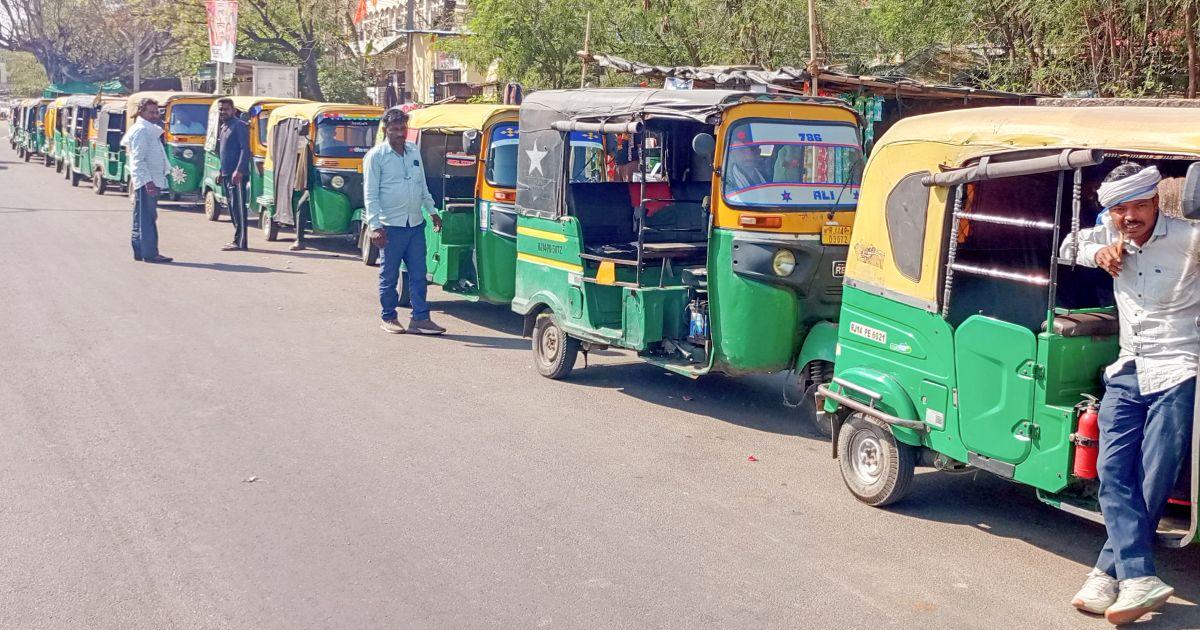
The quick succession of hikes is unusual. In a normal quarter, IGL adjusts CNG prices in smaller, spaced increments or absorbs some of the cost volatility. The two moves inside six days signal that the margin squeeze from rising gas procurement costs and a weaker rupee has become acute enough to force faster pass-through. IGL is India's largest city gas distribution company, and its CNG pricing directly influences the operating cost of Delhi's commercial transport fleet – taxis, buses, and auto-rickshaws. A Rs 3 per kg increase over the week adds roughly 3.8% to the fuel cost for a typical CNG vehicle, based on the previous Rs 77.09 base.
The immediate market read centers on margin protection. IGL’s gross margin is a function of the spread between its gas procurement cost and the retail price. By hiking twice in a short window, IGL is defending that spread against a rising cost base. That is a positive signal for near-term earnings, because the company is not absorbing the shock. The volume side carries risk. Each price increase reduces the savings advantage CNG holds over petrol. IGL statement notes that CNG still offers up to 45% savings compared with alternate fuels at current prices. That cushion is shrinking. If transport operators switch to petrol, diesel, or electric vehicles in response, IGL sales volumes could decline. The price elasticity of CNG demand in Delhi is not well-documented, the rapid succession of hikes provides a real-world test.
For anyone tracking IGL as a position, the next catalyst is the trajectory of input gas costs and the USD/INR exchange rate. If both remain elevated, IGL may need a third hike. The company ability to pass through costs quickly is a structural advantage of the city-gas model, each successive move chips away at the demand buffer. The offsetting factor is that PNG consumers remain untouched. IGL can cross-subsidise CNG pricing from PNG margins if needed, that would compress overall profitability.
A key variable to watch is the government reaction. The Delhi government has historically pressured IGL to restrain price increases. Any regulatory intervention could disrupt the pass-through mechanism and cap the stock upside. For now, IGL pricing discipline supports margins, volume data over the next month will tell the real story. A month-on-month drop in CNG sales at the current price would confirm demand destruction and put the valuation thesis under pressure.
For broader context on how fuel price hikes affect transport stocks, see our stock market analysis. Investors evaluating IGL may also consider best stock brokers for trading.
Prepared with AlphaScala editorial tooling from the source reporting linked above. Indexable analysis may include a cited Alpha Score value. Publishing checks screen each story before release. Educational coverage, not personalized advice.