CME to List Six Factor Futures on September 21
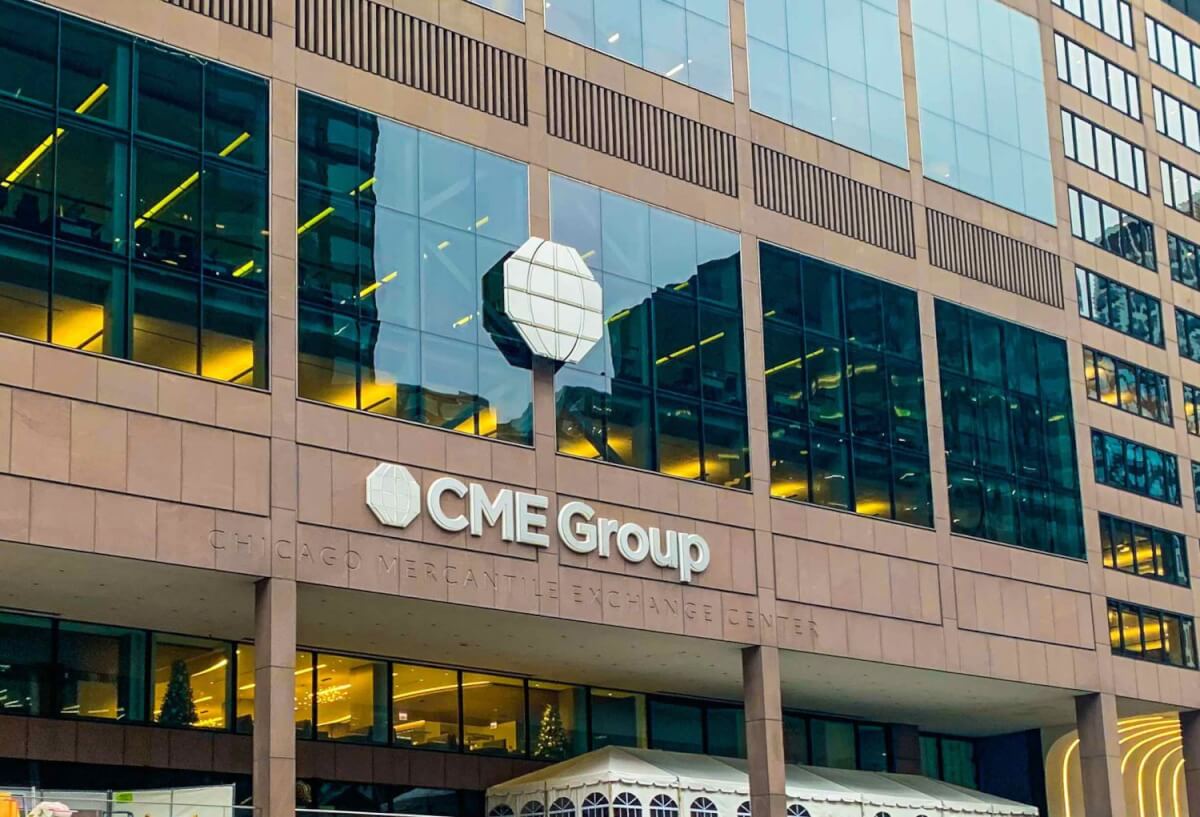
CME Group will list six equity factor futures on September 21, including S&P 500 growth, value, quality, momentum, low volatility and a dividend index. The contracts offer centrally cleared factor exposure but face adoption hurdles around liquidity and broker support.
CME Group will launch six equity factor futures on September 21, the exchange said. The contracts track S&P 500 growth, value, quality, momentum, low volatility and the Dow Jones U.S. Dividend 100 Index.
Growth and value are not mutually exclusive. A single company can appear in both indexes. CME's factor futures FAQ listed 147 growth constituents and 437 value names as of August 14. The other four contracts use narrower portfolios. Quality selects 100 companies through return on equity, leverage and accruals. Momentum had 99 constituents in the same snapshot, targeting persistent risk-adjusted price performance. Low volatility picks 100 stocks with lower realised volatility and weights the least volatile members more heavily. The dividend index had 99 constituents; it screens for a dividend record and ranks on cash flow to debt, return on equity, yield and dividend growth.
The dividend contract references the same benchmark as the Schwab U.S. Dividend Equity ETF, giving the future an existing cash-market reference and a potential related-position trade, CME said.
Each contract tracks a rules-based basket whose sector weights and concentration can differ materially from the S&P 500. A factor name is not a guarantee of performance. A quality index can fall, a low-volatility portfolio can lose money and a dividend index can underperform the broad market.
CME is not creating new strategies. S&P Dow Jones Indices already calculates the benchmarks, and asset managers offer funds linked to several of them. The new element is a centrally cleared futures wrapper that can be bought or sold on margin, traded through the CME order book or negotiated as eligible block and related-position transactions.
An asset manager that wants a temporary factor tilt could sell broad-index futures and buy a factor future to create a relative position, the exchange said. A fund facing subscriptions or redemptions could use the contract while moving cash into or out of securities. A trader could also take a view on value against growth, or low volatility against momentum, without arranging stock borrow for dozens of names.
The contracts support exchange-for-related-position trades, where the related leg can be an ETF. Outright blocks, derived blocks and Basis Trade at Index Close transactions are also available. CME set the minimum block size at 50 contracts, an execution threshold rather than evidence that a 50-contract market will exist at a competitive price on day one.
Quarterly expirations use the special opening quotation of the relevant index, generally on the third Friday of the contract month. The calculation uses each constituent's official opening price, the same broad settlement approach used for CME's major U.S. equity index futures. Users still face basis risk before expiration because the futures price can diverge from the spot index or a related ETF.
CME said the factor contracts will be eligible for offsets against other cleared equity products. A long factor future and short broad-index future may require less collateral than two unrelated positions because the clearing model recognises part of the offsetting risk. The exact benefit depends on the positions, current clearing parameters and a broker's own margin policy. CME's reference to margin efficiency should not be read as a fixed saving for every user, the exchange cautioned. Brokers can demand more collateral than the clearing minimum, and abrupt changes in correlation or volatility can raise requirements.
A futures user posts margin against leveraged exposure, faces daily variation margin and must manage expiry or roll the position. That can be more capital-efficient than buying a factor ETF, but it can also create cash demands when the market moves against the position.
CME is building the suite while retail distribution for its other new equity products is still expanding. Market-data provider dxFeed added the exchange's single-stock futures to existing data packages, while Plus500 and Charles Schwab added execution access. Factor futures will need the same chain of market data, broker support, risk controls and client education before they become broadly usable outside institutional desks.
A factor future can have a sound benchmark and useful clearing treatment but still fail if bids and offers remain thin, the exchange acknowledged. Users need enough displayed depth to enter and exit without giving up the theoretical saving through slippage. They also need reliable spreads between factor contracts, broad-index futures and related ETFs.
The ETF ecosystem gives market makers instruments to hedge. The involvement of Invesco and Schwab in CME's announcement indicates support from firms associated with several underlying strategies. It does not establish that either manager has committed trading volume, nor did CME name designated market makers, expected opening liquidity or customer commitments.
CME's recent E-nano rollout offers a warning against treating a launch date as adoption. When those contracts went live, the relevant test moved from contract design to actual volume, open interest and bid-offer spreads. The same standard applies on September 21. Listing six factor futures creates the infrastructure, but trading data will show whether users prefer the contracts to ETFs, swaps or baskets of securities.
The first figures to watch are volume and open interest by contract rather than a combined total for the suite. Growth and value may attract relative-value trading. The dividend contract starts with a large ETF ecosystem behind its index. Quality, momentum and low volatility have clearer tactical uses but could concentrate liquidity in particular market regimes.
CME has provided the date, benchmarks, constituent counts, settlement method and block threshold. The unanswered commercial question is whether enough buyers, sellers and intermediaries will meet in the same contracts. Until live trading supplies that evidence, the launch expands the available toolkit but does not prove a liquid new factor market.
Drafted by a large language model from the source reporting linked above, then screened by automated publishing checks. It is not read by a journalist before publication. Some articles cite our Alpha Score. Verify prices and figures against the original source. Educational coverage, not personalized advice.