Stocks● Neutral
CMA Seeks Feedback on Custody Capital Cut to SAR 20M
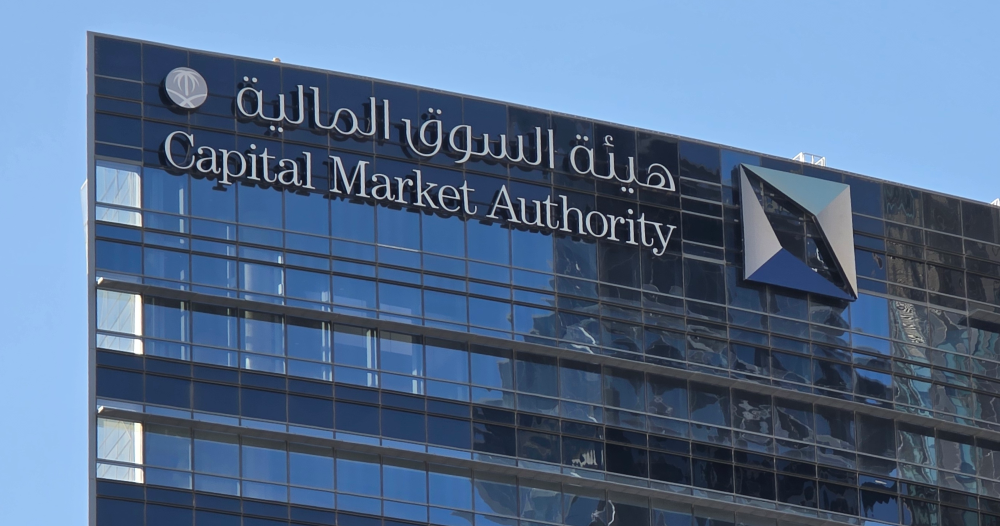
CMA consultation slashes custody minimum to SAR 20M from SAR 50M, sets SAR 2M for crowdfunding. Feedback ends June 17. New entrants reshape Saudi securities. Competitive pressure on incumbents.
Continue with
The Capital Market Authority (CMA) invited all interested persons and participants in the capital market to share feedback on developing securities business activities in the Saudi Exchange (Tadawul). The consultation period lasts 30 calendar days, ending June 17, 2026. The draft proposes lowering minimum capital for custody by 60%, setting a new floor for crowdfunding arrangers, and splitting dealing into risk-based sub-activities.
For traders and investors tracking Saudi capital market evolution, the direction is clear: lower entry barriers, more institutions, and narrower margins for incumbents. The real market read requires parsing which segments face the most exposure.
Custody Capital Halved to SAR 20M: Entry Barrier Collapses
The CMA proposed cutting the minimum capital requirement for custody activity by 60% to SAR 20 million from SAR 50 million. Custody providers hold client assets and settle trades. Lowering the bar by SAR 30 million opens the door for smaller institutions to compete with existing players that have already absorbed the higher cost base.
The regulator said the amendment aligns with leading international best practices. The immediate effect is a direct reduction in entry barriers for one of the core capital market functions. Institutions that entered at the higher threshold now face competition from firms raising only SAR 20 million.
Crowdfunding Gets a Formal SAR 2M Floor
The CMA set a minimum capital requirement of SAR 2 million for arranging activities that involve holding client funds in the context of securities-based crowdfunding. The regulator described the figure as "commensurate with the nature of the associated risks." This is a new specific requirement. Previously, crowdfunding arrangers operated under more general capital rules.
The SAR 2 million threshold is low enough to attract fintech entrants. It is high enough to filter unserious applicants. Platforms that operated in grey areas can now regularize, potentially attracting more issuers and investors to the securities-based crowdfunding segment.
Dealing Sub-Activities: Principal vs Agent Capital Tiers
The CMA introduced defined sub-activities under the Dealing business with separate minimum capital requirements:
- Dealing as Principal, Underwriting, and Executing Transactions on a Margin Basis – grouped together with a SAR 20 million minimum.
- Dealing as Agent – a separate SAR 10 million minimum.
This tiered approach matches capital to risk. Principal dealing and underwriting carry balance-sheet risk and higher potential losses. Agency execution involves no inventory risk. The split also allows firms to specialize without meeting a one-size-fits-all requirement.
| Activity | Current Minimum Capital | Proposed Minimum Capital |
|---|---|---|
| Custody | SAR 50 million | SAR 20 million |
| Arranging (crowdfunding) | Not specified separately | SAR 2 million |
| Dealing as Principal, Underwriting, Margin Execution | Not specified separately | SAR 20 million |
| Dealing as Agent | Not specified separately | SAR 10 million |
KYC and AML Overhaul Raises Compliance Bar
The CMA is developing Know Your Client (KYC) requirements by linking them to the customer’s money laundering and terrorism financing risk classification. The draft includes designated forms for this purpose.
The final compliance cost of the new KYC regime could offset the capital savings for some entrants. Advising firms – previously restricted to that activity alone – may now engage in other professions or businesses subject to specified controls. That flexibility lets advisory firms diversify revenue streams without surrendering their license.