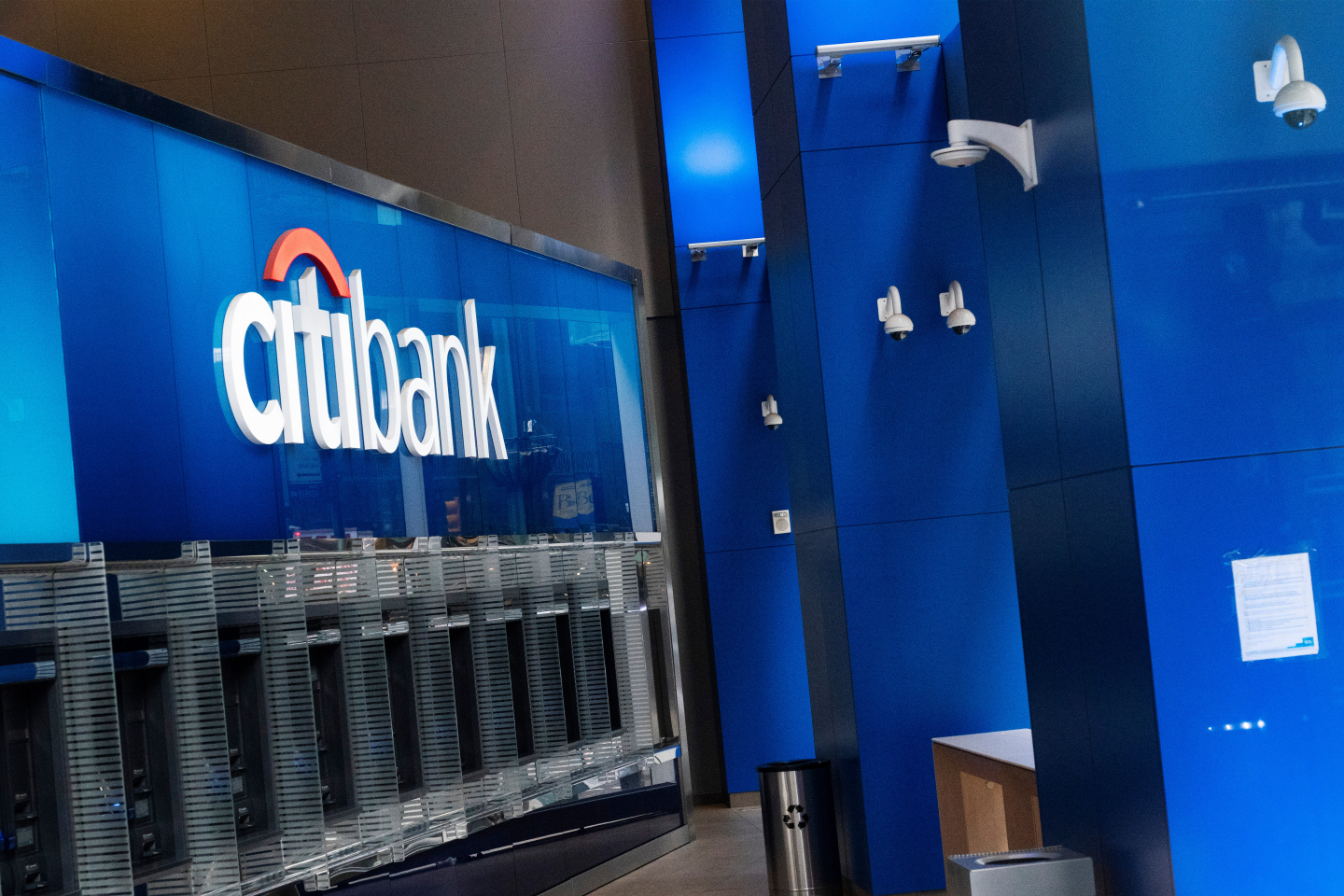
Citigroup unveiled a platform for tokenized shares of private companies last week. The move is not just a blockchain experiment. It challenges a century-old assumption: that liquidity requires transparency.
Public companies accept disclosure because they need liquidity. Shareholders want to sell, so the company files quarterly reports and submits to SEC oversight. Private companies enjoy flexibility and lower regulatory costs. The two have been separate.
Tokenization collapses that separation. Citi's platform aims to deliver liquidity without the disclosure burden. Private company shares can trade more freely. The companies remain private, with no obligation to publish financials or hold earnings calls.
The traditional tradeoff rested on more than access to capital. Corporate law in Delaware and, increasingly, Texas gave directors and officers liability protections. Those protections were part of the bargain for accepting public scrutiny. Without the public scrutiny, the protections may not hold.
Companies are staying private longer. They raise capital from venture funds and sovereign wealth funds. They no longer need public markets for funding. What they still lack is liquidity for employees and early investors.
Tokenization aims to solve that. Citi's platform is one of several attempts. Forge and Nasdaq Private Market already allow trading of private shares. What changes with Citi's platform is the mechanism and the potential scale. Blockchain-based trading can be cheaper and faster.
The risk is that public markets become a place for exits, not growth. By the time a company IPOs, the fastest growth phase may be over. Public investors get the tail end.
The real threat is not that companies stop listing. It is that they list too late.
Regulators will have to decide. The SEC has not yet spoken on tokenized private securities. If they trade like public stocks, the Securities Act of 1933 and the Exchange Act of 1934 may apply.
Citi is not creating this trend. It is responding to it. The question is whether the technology runs ahead of the law.
The broader context is part of a crypto market analysis that questions the traditional link between transparency and liquidity. Tokenization is one front in that debate.