Stocks● Neutral
Chindia Book Offers Lens on India-China Trade Ties
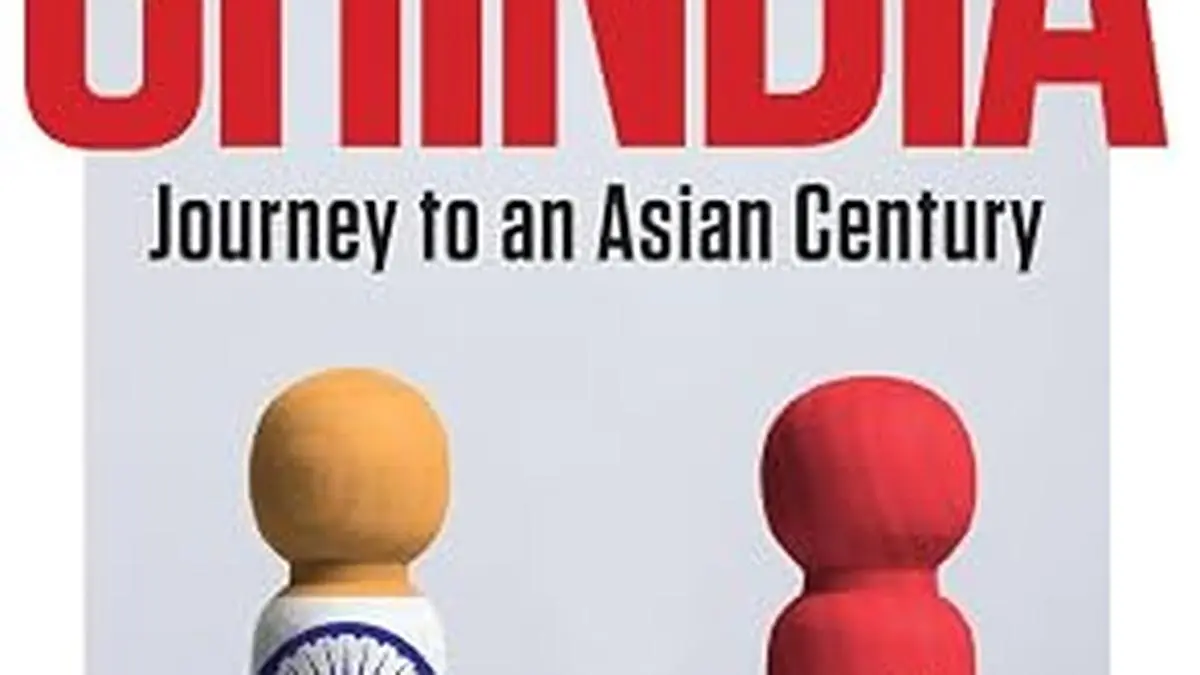
A veteran journalist's insider account of China's media and diplomacy offers investors a lens on trade, manufacturing, and supply-chain risk across Asia.
Continue with
A new book on India-China relations, built from two decades of op-eds and dispatches, gives investors a fresh lens on a relationship that shapes trade, manufacturing, and supply-chain risk across Asia. The book, Chindia: Journey to an Asian Century, is written by S. Ramachandran, a veteran journalist who worked inside China's state-run media. The reviewer, a retired banker who served as CMD of Exim Bank and later as non-executive chairman of Indian Overseas Bank, spent years dealing with China and called the book a useful read for anyone tracking the region's economic trajectory.
Ramachandran's career gives him rare access. He worked at China Daily and Global Times, founded China India Dialogue in Beijing, and contributed to European outlets. His book traces the arc from Rajiv Gandhi's 1988 visit to the Galwan clashes of 2020, arguing that cooperation and confrontation have always coexisted. The reviewer said the book shows that neither country can realise its ambitions alone and that the world cannot afford an Asian Century excluding either.
The book is organised into four parts. The opening draws on Ramachandran's years inside Chinese media. He describes Xinhua, the national news agency, as not merely a press organisation but a sprawling institution shaping narratives and exercising influence over both media and government. CCTV, now CGTN, is similarly large though less dominant. He notes that English-language press readership in China is extremely limited, confined largely to expatriates and a small group of Chinese readers using it to practise English. That makes the English press subject to lighter scrutiny. The Global Times has thrived on flamboyance and deliberate nationalism, resembling China's Fox News in tone, the reviewer said.