Macro● Neutral
China Hoarding Food, Fertilizer Must Stop, Ex-World Bank Chief Says
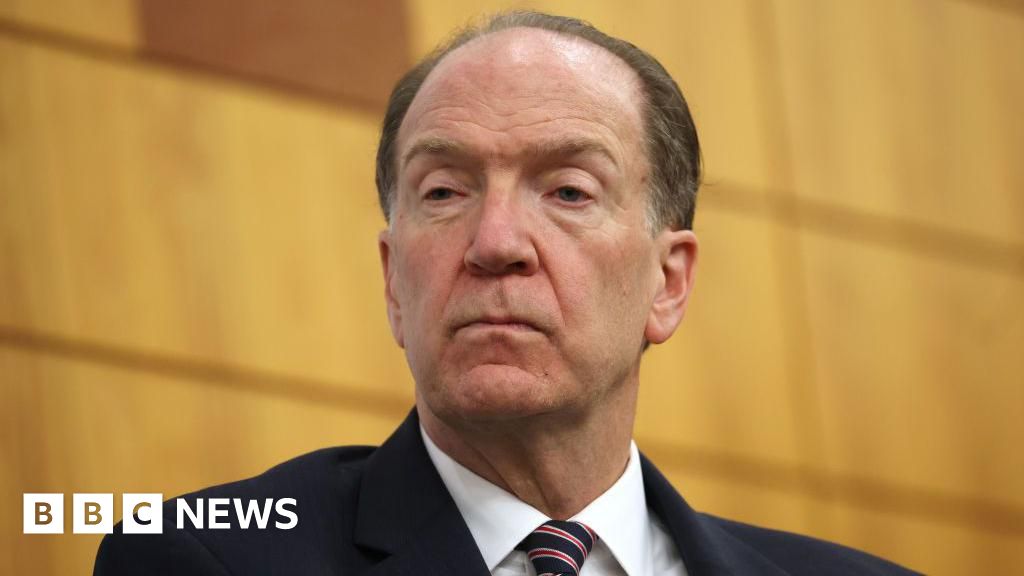
David Malpass says China's food and fertiliser stockpiling worsens a global supply crisis as Hormuz closure disrupts shipments. He expects US inflation to rise.
Continue with
David Malpass, the former World Bank president, told the BBC that China should stop hoarding food and fertiliser to ease a global supply crisis triggered by the Iran war. The statement lands days before a Trump-Xi summit in Beijing and hours ahead of the April US inflation print. The simple read is that Chinese stockpiling is tightening global commodity markets at a dangerous moment. The better read traces the transmission through fertiliser export restrictions, the Strait of Hormuz closure, and the resulting price pressure that will show up in food inflation, shipping costs, and central bank reaction functions.
Fertiliser Export Halt Meets Hormuz Closure
China halted fertiliser exports in March, officially to protect domestic supplies. That move removed a major marginal supplier from global markets just as spring planting demand peaks across the Northern Hemisphere. The Strait of Hormuz closure has compounded the squeeze. The waterway is a critical artery for Middle Eastern fertiliser shipments, including urea and ammonia. With vessels unable to transit, buyers in India, Brazil, and Southeast Asia are scrambling for alternative cargoes at sharply higher freight rates.
Malpass pointed to the scale of the distortion. "They have the biggest world stockpile of food stuffs and of fertiliser," he said. "They can stop building their stockpiles." The export ban and the Hormuz disruption together create a supply shock that will work through the food production chain over the next two quarters. Fertiliser is a leading input cost for corn, wheat, and rice. When fertiliser prices rise, crop margins compress unless farmers pass costs on. That pass-through eventually hits food CPI, which carries an outsized weight in emerging-market inflation baskets and a non-trivial weight in developed-market indices. For central banks already sensitive to any upside inflation surprise, a sustained fertiliser-driven food price rise narrows the path to rate cuts.
China's Stockpile Calculus and the WTO Status Debate
Malpass did not limit his criticism to the immediate crisis. He argued that China's claim to developing-country status is no longer credible and that Beijing uses that classification to maintain trade protections and stockpiling policies that distort global markets. "They present themselves as a developing country when they're the second biggest economy in the world and in many ways rich," he said. "And yet they still have the pretence of being a developing country in the WTO and in the World Bank, and they could suspend that."
If China were to graduate from developing-country status at the WTO, it would face pressure to reduce agricultural subsidies and limit export restrictions. That would structurally alter global food and fertiliser trade flows. For now, the immediate market impact is that the export ban remains in place and China's stockpiling continues to absorb supply that would otherwise reach global buyers. The Trump-Xi summit may provide the first signal on whether Beijing is willing to adjust that posture. Any hint of a release from state reserves would act as a rapid disinflationary impulse for agricultural commodities.