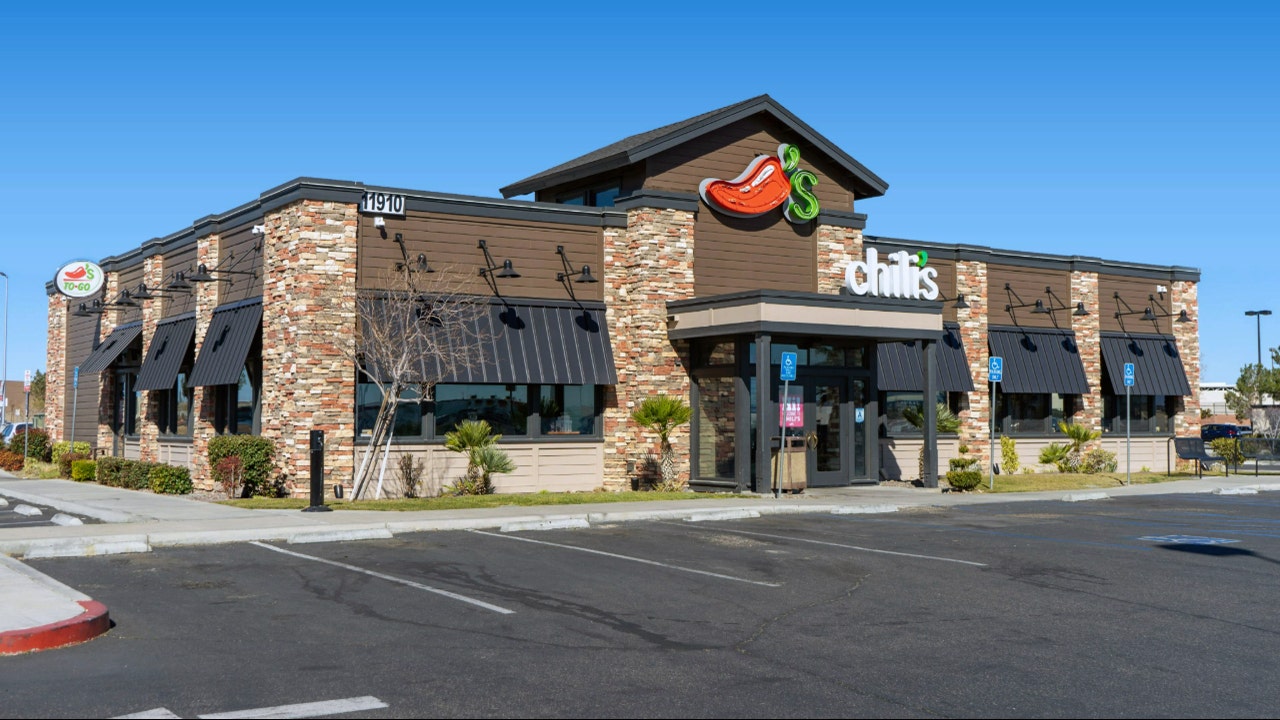
The $10.99 Value Push
Chili’s has expanded its value-focused menu by adding six variations of its Big Crispy chicken sandwich, priced at $10.99. This move directly challenges the market dominance of fast-food giants like McDonald's, aiming to capture budget-conscious consumers who are increasingly sensitive to price hikes in the quick-service restaurant (QSR) sector.
The strategy signals a shift for casual dining operators attempting to bridge the price gap with fast-food chains. By positioning a sit-down meal at a price point comparable to a premium fast-food combo, Chili's is betting that the perceived value of a full-service experience will drive traffic away from traditional drive-thrus.
Competitive Margins and Market Positioning
Historically, the QSR sector relied on the convenience-to-price ratio to maintain loyalty. However, persistent menu inflation at chains like McDonald’s has thinned the gap between fast food and casual dining. For traders, this creates a specific set of risks for the QSR space.
- Competitive overlap: Casual dining is encroaching on QSR territory by leveraging scale to keep prices flat.
- Margin pressure: Maintaining a $10.99 price point in an environment of elevated labor and food costs requires high volume to sustain profitability.
- Consumer sentiment: Data shows diners are trading down from higher-end experiences, but they are also becoming more selective about where they spend their discretionary income.
"We are taking aim at the fast-food giants by offering more food and a better experience for a price that competes directly with their premium combos," the company stated regarding the new menu addition.
Sector Implications for Traders
Investors monitoring the restaurant sector should watch how this impacts same-store sales figures for major QSR players. If Chili’s succeeds in converting fast-food customers, we may see a deceleration in growth metrics for traditional fast-food chains. This shift often forces larger players to introduce their own value-menu resets, which can compress industry-wide margins in the short term.
Traders should also look at the broader market analysis regarding consumer discretionary spending. When casual dining chains successfully execute a price-war strategy, it often indicates that the premium tier of the fast-food market is losing its pricing power. Watch the relative strength of MCD versus casual dining ETFs over the next two quarters to see if this trend gains traction.
What to Watch Next
Keep an eye on upcoming quarterly earnings reports for mentions of "value-driven traffic" and "price-gap narrowing." Specifically, watch for any shifts in marketing spend from MCD and other major players as they respond to this encroachment. If the $10.99 price point becomes the new benchmark for a "value deal" in the restaurant industry, look for a potential contraction in the earnings multiples for mid-tier QSR stocks that cannot match the operational efficiency required to sustain these prices.
Chili’s is betting that its operational model can withstand the margin strain of a low-price menu while luring customers who are tired of paying premium prices for fast food.