Chevron CFO Says Gasoline Price Relief Slow Despite Cheaper Oil
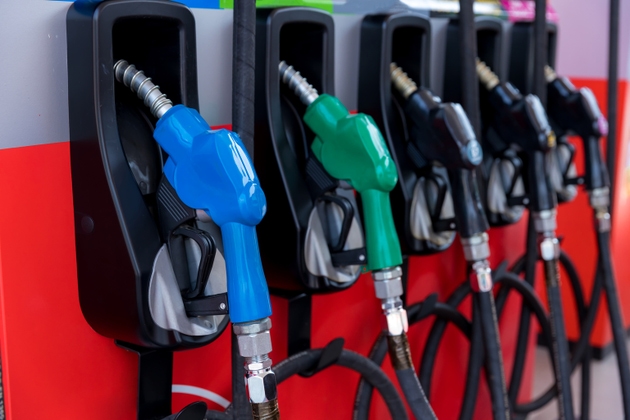
Chevron CFO says gasoline prices will fall after Middle East tensions ease. Refining lags slow pass-through. Next EIA report will show if stocks are building.
Alpha Score of 63 reflects moderate overall profile with strong momentum, moderate value, moderate quality, moderate sentiment.
Chevron CFO Eimear Bonner said US gasoline prices will fall after the Middle East calms down and geopolitical risks recede from crude. She cautioned that there is no quick fix to bring pump prices in line with lower crude oil costs. The comments came during a conference appearance where Bonner addressed the persistent gap between falling oil prices and what drivers pay at the station.
Refining margins and distribution lags are the main reasons the pass-through is never instant, traders said. Even when crude drops sharply, gasoline at the pump tends to decline more slowly. Retailers buy fuel in batches priced weeks earlier. Low inventory levels also give stations less incentive to cut prices quickly.
The Middle East factor Bonner referenced is the recent easing of geopolitical risk premiums in crude. Brent crude has retreated from its April highs following progress in Israel-Hamas ceasefire talks and the absence of major supply disruptions. That drop should eventually reach consumers. The timing of that pass-through remains uncertain.
For traders monitoring gasoline markets, the key metric is the crack spread, the difference between crude oil and refined product prices. A narrowing crack spread signals that refining margins are compressing. That historically precedes lower pump prices. The next EIA weekly petroleum status report, due Wednesday, will show whether gasoline inventories are building. That is a necessary condition for price relief.
Chevron's stock carries an Alpha Score of 45 out of 100, a Mixed rating that reflects average momentum and valuation relative to the energy sector. The shares, along with the broader energy sector via the XLE ETF, have tracked crude oil prices closely this year. Bonner's remarks show the operational reality that upstream gains do not automatically translate to downstream pricing power.
“There’s no quick fix,” Bonner said. She did not specify a timeline for when consumers might see lower prices.
Drafted by a large language model from the source reporting linked above, then screened by automated publishing checks. It is not read by a journalist before publication. Some articles cite our Alpha Score. Verify prices and figures against the original source. Educational coverage, not personalized advice.