Stocks● Neutral
Vikas Khanna’s 41-Year Rise to TIME’s 2026 Influential List
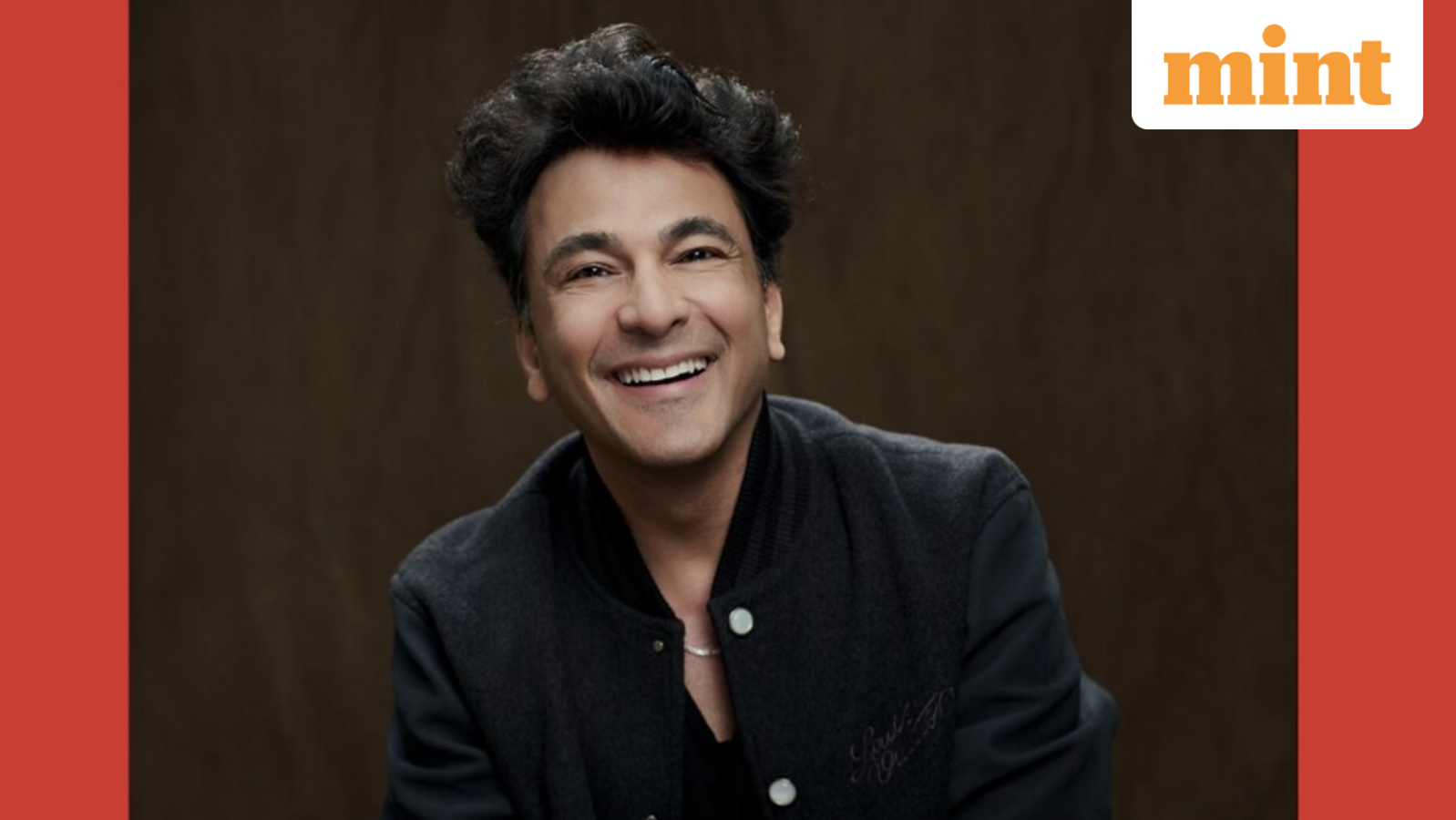
The chef’s journey from Amritsar street food to global icon signals growth in the $100B+ food industry. Expect rising M&A activity for heritage food brands.
Continue with
Chef Vikas Khanna has been named to TIME’s 2026 list of the Most Influential People, marking a 41-year career trajectory that began with a humble chole bhature stall in Amritsar. The recognition highlights the global elevation of Indian cuisine and the personal persistence required to shift regional street food into the international culinary mainstream.
A Four-Decade Evolution
Khanna’s inclusion in the list validates the growing cultural and economic footprint of Indian gastronomy on the world stage. His journey reflects a departure from traditional culinary paths, starting from a localized street-side operation to commanding a global platform. The narrative focuses on the consistency of his craft, which has served as the foundation for his influence in both media and hospitality sectors.
Market Impact and Cultural Capital
For investors and market observers, the rise of figures like Khanna is tied to the broader expansion of the $100B+ global food and beverage industry, where authenticity now commands a premium. While traditional market analysis often focuses on supply chains and commodity pricing, the influence of culinary icons creates direct value for luxury hospitality chains and media conglomerates. Khanna’s ability to bridge the gap between regional Amritsar markets and international recognition underscores the shift toward high-value cultural exports.
| Stage of Career | Focus Area | Impact Level |
|---|---|---|
| Early Years | Amritsar Street Food | Localized |
| Mid-Career | Global Culinary Arts | Regional |
| 2026 Recognition | International Influence | Global |