Stocks● Neutral
Charity founder hopes to be jobless when no street kids need him
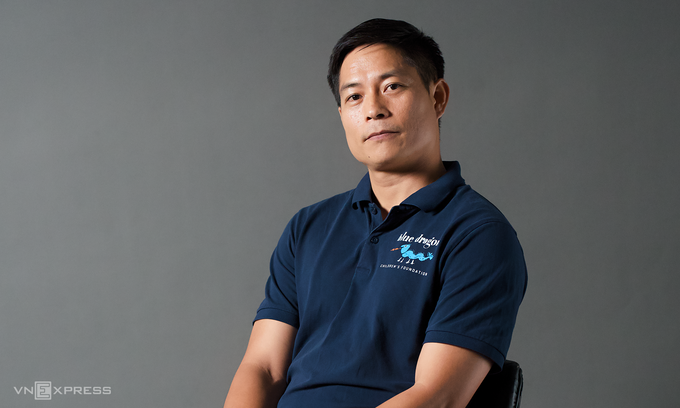
Vi, once a homeless shoe shiner, now co-CEO of Blue Dragon, rescues street children. He hopes one day the organization will no longer be needed.
Continue with
Michael Brosowski handed him a ChocoPie and invited him to free English classes. Vi was 15, homeless, shining shoes on the streets of Hanoi. He looked eight because of malnutrition. He slept in alleys and memorized every escape route to avoid being robbed or beaten by other groups.
Vi did not trust the foreigner. Street children learn to trust no one. Michael kept showing up. He told Vi he was smart and that a proper education would change his life. No one had ever said that to Vi. He started believing it.
He learned computer skills and web design, then found work in restaurants and five-star hotels. He saved money, earned employee of the year. After about five years, he returned to Blue Dragon Children's Foundation, the organization Michael had founded, to repay what he had been given. He planned to stay for six months.
Seventeen years later he is still there.
What kept him was a boy from an ethnic minority, about eight or nine years old, who had been sexually abused several times and was in poor health. Doctors suspected HIV. When Vi told him the positive results, the boy asked: "Why didn't you find me sooner?"
Vi had no answer. He decided then he would stay.
"I kept thinking about the other children asking for help," Vi said in an interview with VnExpress. "They reminded me of myself when I was desperate and wished someone like Michael would appear."
Vi now co-leads the organization. His job takes him under bridges and to bus stations, where he deals with gangs, extortionists, and traffickers. He has been threatened with weapons. He once walked alone into an abandoned construction site where men who pay to sexually exploit boys were hiding. He found himself in a hideout with teenagers who survived by stealing. Knives leaned against the wall. He recognized one of them from an earlier meeting. He bought everyone food and talked for hours. When he got back to the office, he collapsed.
His starting salary at Blue Dragon was lower than the tips he received in a single month at the hotel. Money stopped being the most important thing.
The hardest part was not the danger. It was realizing that kindness, shelter, money, and education are not enough to change a child's life.
He met an 11-year-old who had been adopted by eight or 10 families, each eventually giving him up. Vi brought him into Blue Dragon, cared for him like family, found him clothes, meals, relatives, legal documents, and a school. It took two years to pull him off the streets. Then one day the boy skipped school and went back to selling chewing gum for someone who exploited children. He said he felt loved there. Vi begged him to return to school. The boy shook his head.
Vi bought him a train ticket to live with his biological mother. At the station, he could not watch the train leave. Later, at a café with friends, he broke down crying in front of strangers for the first time.
"I thought I had failed," Vi said. "It made me realize how difficult it is to change someone's life."
He learned that his expectations were wrong. He had tried to solve every problem. The more he tried, the more complicated everything became. He had expected children to change quickly because he had invested so much. People do not work that way.