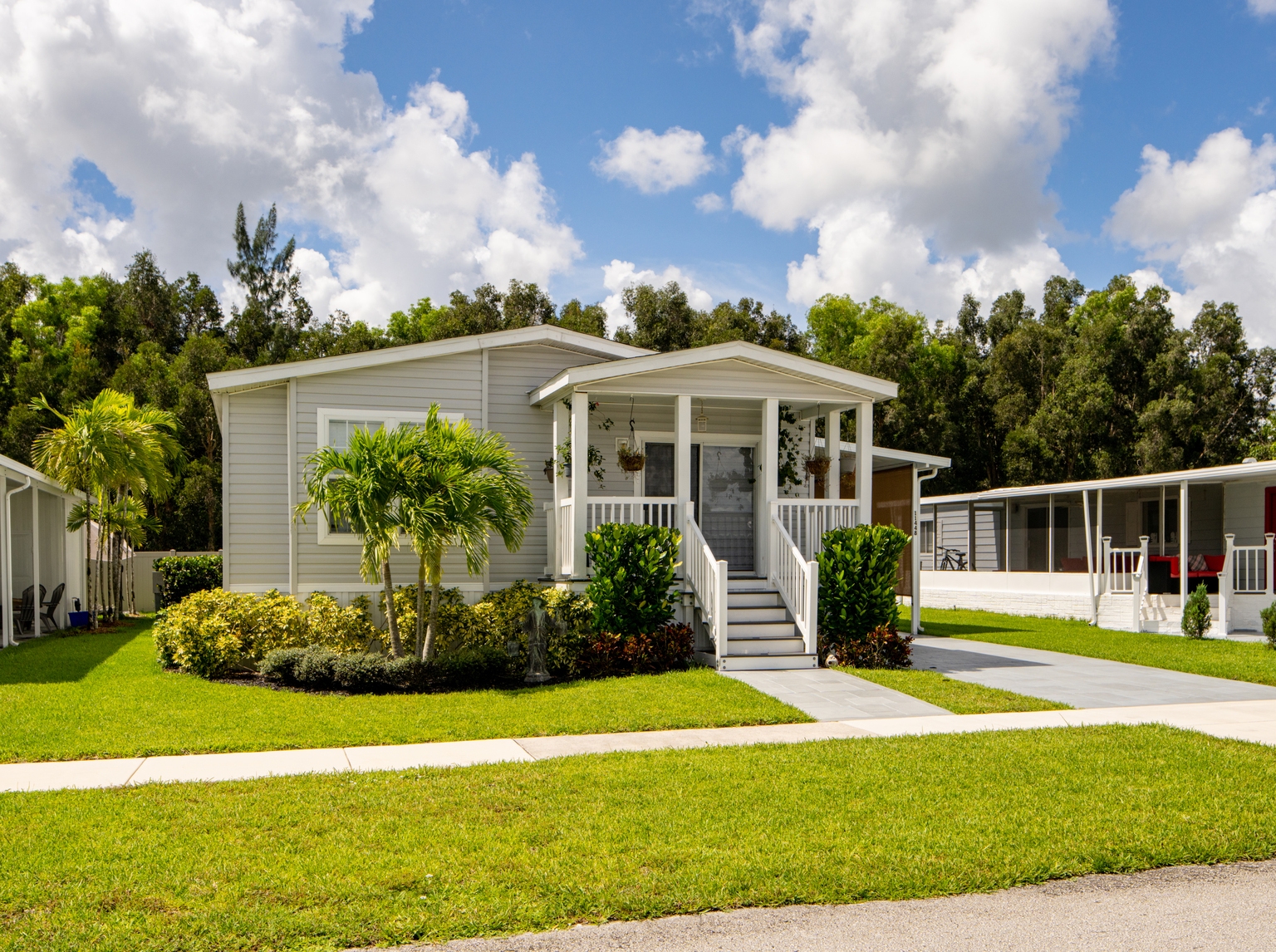
Champion Homes (SKY) reported a solid finish to fiscal 2026, a result that sets the factory-built housing maker apart from site-built peers struggling with high rates and weak demand. The headline number alone – a steady quarter in a turbulent housing backdrop – signals that the manufactured housing segment is functioning as a relative safe harbor.
Fiscal 2026: Affordability as a Structural Buffer
The simple read is that Champion Homes delivered stability when the broader housing market could not. The better market read requires examining the cost mechanism. Manufactured housing typically carries a per-unit cost 30 to 50 percent below a comparable stick-built home. That difference becomes a structural buffer when mortgage rates press above 7 percent, as they have for much of the fiscal year. A lower absolute price means a lower monthly payment hurdle, allowing Champion Homes to maintain order flow even as site-built starts contract.
A second buffer is inventory profile. Factory-built housing is largely produced to order, limiting the speculative inventory builds that force price cuts. Champion Homes does not carry large land positions or unsold spec units. Its working capital cycle depends on production velocity, not land banking. That operational model reduces the downside risk from a demand slowdown.
A third factor is the regulatory shift. Municipalities in Sun Belt and Midwest markets have loosened zoning restrictions for manufactured housing communities. That trend supports a steadier pipeline for Champion Homes than the broader new-home market currently enjoys.
What Breaks the Defensive Story
The main risk to this narrative is a downturn that hits employment, not just mortgage rates. If the U.S. enters a recession that pushes unemployment higher, demand for all forms of housing could compress. Champion Homes would then face margin erosion as it competes for a smaller buyer pool.
A second risk is supply chain disruption to factory operations. The company’s plants depend on lumber and other inputs that have been volatile. A spike in building materials costs would compress margins more quickly than for a site builder that can stretch a build schedule.
- What would reduce the risk: A drop in mortgage rates to the 5.5–6.0 percent range. That would revive site-built competition but also expand the total addressable market for Champion Homes as affordability improves broadly.
- What would make it worse: A sharp rise in unemployment or a credit crunch that locks out the subprime borrower tier that manufactured housing relies on.
Next Decision Point: Backlog Trends vs. Macro Slide
The concrete test for Champion Homes will come with the next quarterly filing. The current quarter’s order book will show whether the company’s relative defense can hold if existing-home sales keep drifting lower. For now, the stock reflects a watch-and-confirm setup, not a buy-and-forget signal. Investors tracking the housing cycle should treat Champion Homes as a name that works while the macro backdrop stays weak, with the burden on the company to prove its model can withstand a deeper downturn. See also our coverage on stock market analysis and best stock brokers.