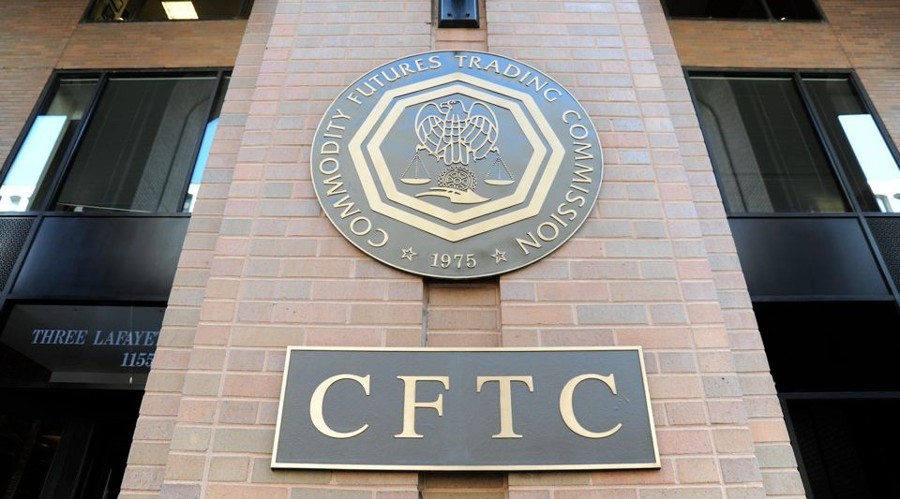
The CFTC warned prediction markets to ditch moneyline odds, citing research they encourage risk-taking. Kalshi says it will comply. The federal-state fight over sports contracts continues.
The CFTC told regulated prediction market platforms to drop American-style moneyline odds, citing research that the format can encourage greater risk-taking. The warning targets how platforms communicate potential outcomes and risks to customers, moving beyond the contracts themselves.
Moneyline odds show how much a bettor can win relative to a $100 wager, using positive and negative numbers. Prediction markets typically display contracts in cents, where the price represents an implied probability. A contract at 40 cents suggests roughly a 40% chance. The CFTC pointed to research indicating that the American wagering format can lead to bigger bets and riskier behavior in sports betting.
Kalshi said it would follow the agency's direction. “As a federally regulated exchange, Kalshi follows CFTC guidance and will comply with the letter by its deadline,” a spokesperson said. Polymarket did not publicly respond in the source material.
The warning is the latest move in an ongoing fight over whether prediction markets are federally regulated derivatives or state-regulated gambling. CFTC Chair Michael Selig has argued over the past year that the agency has exclusive jurisdiction over event contracts. State regulators and tribal gaming authorities have pushed back, arguing that sports-related contracts function like wagers and should remain subject to state gambling laws.
The CFTC has started a rulemaking process to define how event contracts should be regulated. Selig has maintained that existing federal law gives the commission broad authority over the sector, including contracts linked to sporting events. Forty-four state attorneys general have challenged the CFTC's authority over sports markets.
For Kalshi and Polymarket, the warning creates a compliance question. Both companies have supported federal oversight as a more consistent framework than dealing with gambling regulators in dozens of states. That approach becomes especially valuable as sports contracts grow as a share of prediction market activity. The CFTC's latest move shows that federal supervision does not mean platforms can use the same conventions as sportsbooks on pricing and advertising.
The practical issue for both companies is whether they can keep the ease of use that helped sports prediction markets attract mainstream customers while staying clearly distinct from gambling products. Kalshi faces potential adjustments to how some markets are promoted. Polymarket's response remains unclear.
The next phase may move toward Congress. Senators and tribal gaming regulators have started pushing for legislative language that would preserve state authority over sports betting and limit how far prediction markets can expand into areas already covered by gambling laws. If lawmakers adopt that approach, sports-related markets could face additional restrictions or carve-outs, creating a different business model from the one prediction platforms currently advocate.
The CFTC's rulemaking process continues. No specific deadline for the moneyline odds compliance has been set, the agency indicated.
Drafted by a large language model from the source reporting linked above, then screened by automated publishing checks. It is not read by a journalist before publication. Some articles cite our Alpha Score. Verify prices and figures against the original source. Educational coverage, not personalized advice.