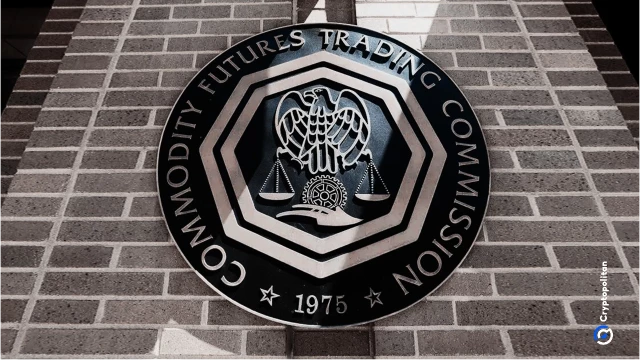
The Commodity Futures Trading Commission has reduced its total headcount by 24% following the transition of the current administration. This reduction brings the agency to its lowest staffing level in 15 years, creating a significant operational bottleneck for an organization tasked with policing complex derivatives markets. The agency currently faces the dual challenge of managing oversight for traditional energy futures and the rapidly expanding sectors of crypto-assets and prediction markets.
Operational Constraints in Enforcement and Surveillance
The reduction in personnel directly impacts the agency's ability to conduct investigations into market manipulation and insider trading. These activities often require intensive data analysis and cross-market monitoring, particularly in decentralized crypto environments and high-frequency energy trading. With nearly a quarter of the workforce removed, the CFTC faces a diminished capacity to monitor for illicit activity across these disparate asset classes simultaneously. The agency must now prioritize enforcement actions, potentially leaving smaller or less visible market anomalies unaddressed.
This staffing deficit arrives as the complexity of market participants increases. The integration of crypto market analysis into broader financial portfolios has expanded the scope of assets requiring regulatory scrutiny. Without adequate staffing, the lag between identifying suspicious trading patterns and initiating formal enforcement actions is likely to widen, creating a period of heightened risk for market integrity.
Impact on Energy and Prediction Market Integrity
Oil futures and prediction markets rely heavily on the perception of fair and transparent pricing. Insider trading in these sectors can lead to significant price distortions that affect both retail and institutional participants. The current staffing level forces the agency to rely more heavily on automated surveillance systems, which may lack the nuance required to detect sophisticated insider trading schemes that do not trigger standard volatility alerts.
- Reduced capacity for forensic accounting and data analysis.
- Extended timelines for responding to whistleblower reports.
- Increased reliance on automated, rules-based monitoring systems.
AlphaScala currently tracks HAS stock page as an Unscored asset within the Consumer Cyclical sector. While this stock remains outside the immediate scope of commodity enforcement, the broader regulatory environment remains a critical factor for market participants monitoring the stability of the Bitcoin (BTC) profile and other digital assets.
Market participants should monitor the next agency budget hearing for any indication of emergency hiring or resource reallocation. The primary marker for the effectiveness of this reduced workforce will be the volume and success rate of new enforcement filings in the coming quarter. If the agency fails to maintain a consistent pace of litigation, it may signal a period of reduced regulatory oversight that could influence liquidity providers and institutional risk management strategies.