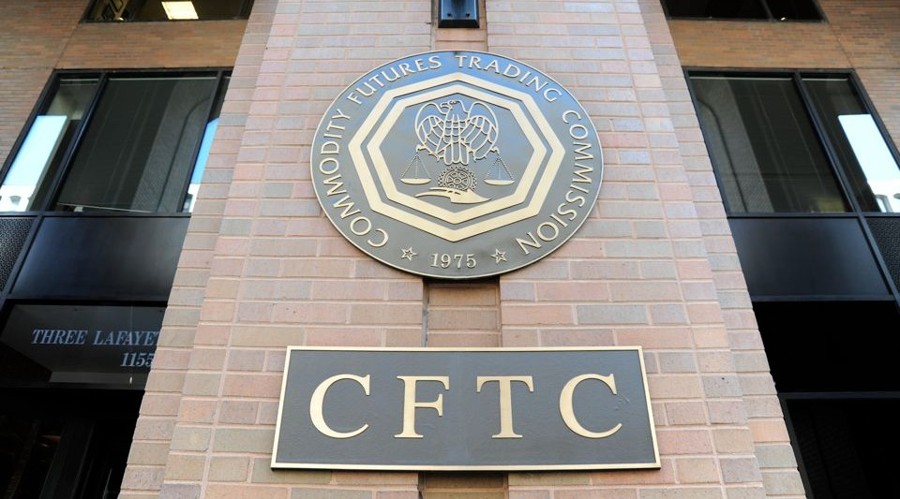
CFTC Chair Selig Faces House Grill Over Prediction Market Oversight and Staffing

CFTC Chair Michael Selig faced intense scrutiny from the House Agriculture Committee over his agency's oversight of prediction markets and ongoing staffing shortages. Lawmakers questioned whether the commission is equipped to handle the rapid rise of event-contract platforms.
Oversight Under Fire
CFTC Chair Michael Selig faced sharp questioning from the House Agriculture Committee regarding the agency's regulatory posture toward prediction markets and persistent internal staffing gaps. Lawmakers focused on the commission’s ability to manage the rapid expansion of event-contract platforms, suggesting that current oversight mechanisms may be insufficient to handle the volume and complexity of these new financial products.
Legislators expressed concern that the agency is struggling to balance its traditional mandate with the demands of an evolving digital asset and derivatives environment. The hearing highlighted a tension between the commission's desire to maintain market integrity and the practical constraints imposed by limited personnel resources. Members of the committee specifically questioned whether the current staffing levels are adequate to oversee the surge in prediction market activity without compromising the agency’s broader supervisory duties.
The Staffing Bottleneck
Recent data suggests that the CFTC is grappling with a significant mismatch between its administrative capacity and the pace of market innovation. Lawmakers pressed for clarity on how the agency intends to address these vulnerabilities, particularly as retail participation in prediction markets continues to capture broader public and political attention. The committee's skepticism signals that the agency may face increased pressure to justify its budget requests and resource allocation processes in the upcoming fiscal sessions.
"The commission must demonstrate that it is not merely reacting to market developments but actively shaping a framework that protects participants without stifling legitimate financial activity," one committee member noted during the session.
Market Implications for Traders
For those active in the derivatives and digital asset spaces, the friction between the CFTC and Congress is a primary signal to watch. If the agency remains under-resourced, it will likely prioritize enforcement actions over new rule-making, leading to a period of regulatory ambiguity. This environment often creates volatility for emerging platforms that lack clear guidance on compliance thresholds.
Traders should monitor the following areas for potential knock-on effects:
- Regulatory Uncertainty: Any signals of delayed approvals for new contract types will likely compress premiums on event-based derivatives.
- Enforcement Risk: Heightened political pressure often forces regulators to take a more aggressive stance on existing platforms to demonstrate oversight efficacy, which could impact liquidity.
- Budgetary Outcomes: Future funding levels for the CFTC will directly correlate with the agency's ability to clear the current backlog of inquiries and registrations.
What to Watch
Watch for the committee’s official follow-up report, which will likely outline specific legislative mandates for the CFTC regarding staffing benchmarks. If the committee pushes for a mandated headcount increase, expect a shift in how the agency interacts with crypto-native and prediction-market firms. Additionally, keep an eye on any public statements from commission leadership regarding the prioritization of event-contract oversight versus traditional agricultural and energy futures. For those tracking the broader commodities analysis, the agency's ability to maintain oversight in traditional sectors while managing these new markets remains a point of concern for liquidity providers.
The outcome of this hearing dictates the pace of institutional integration for prediction markets in the United States.
AI-drafted from named primary sources (exchange feeds, SEC filings, named news wires) and reviewed against AlphaScala editorial standards. Every price, earnings figure, and quote traces to a specific source.