Domestic Smelting and Trade Policy Alignment
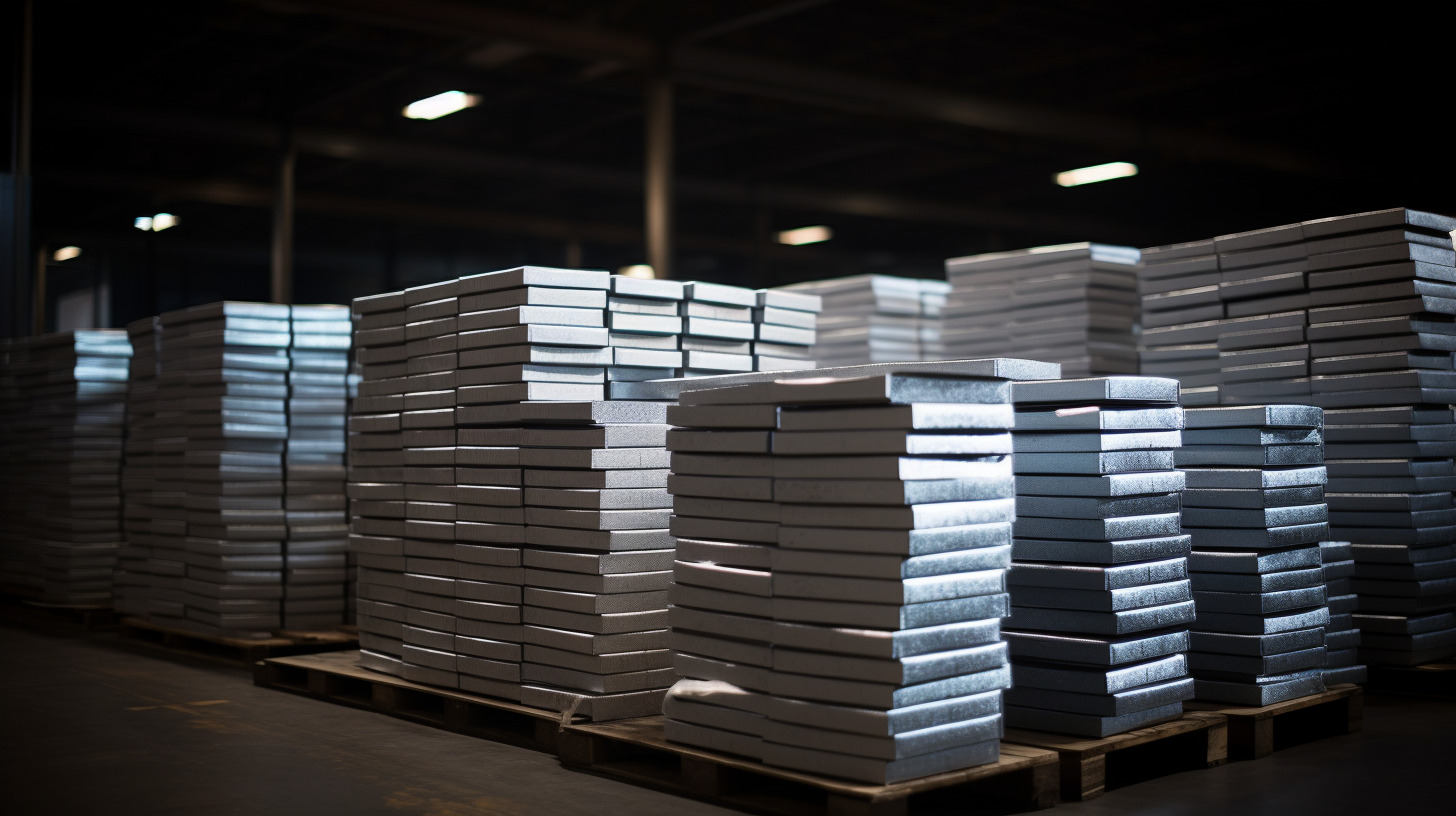
Century Aluminum has recently moved to the forefront of the materials sector following a strategic expansion of its Mt. Holly smelter operations. This development signals a shift in the company's operational narrative, moving from a focus on legacy production to an emphasis on domestic capacity growth. By increasing output at its U.S. facilities, the company is positioning itself to capture demand linked to regional supply chain localization. This strategy aligns with broader shifts in trade dynamics that favor domestic producers over international imports, providing a potential buffer against global price volatility.
For investors monitoring the materials space, the company's ability to scale production while managing energy costs remains the primary operational hurdle. The expansion at Mt. Holly serves as a test case for whether the firm can maintain margins while navigating the capital-intensive nature of aluminum smelting. As detailed in our Q1 2026 Materials Sector Preview, mid-cap stocks in this sector are currently navigating a complex environment where infrastructure demand competes with rising operational overhead.
Valuation and Operational Benchmarks
The market is beginning to price in the long-term benefits of the company's recent capital investments. While the broader industrial sector faces cyclical headwinds, Century Aluminum has demonstrated a degree of resilience by focusing on high-purity output and domestic supply contracts. The following factors are currently influencing the company's valuation trajectory:
- The successful integration of expanded capacity at the Mt. Holly facility.
- The impact of trade policy adjustments on the cost of imported raw materials.
- The effectiveness of energy hedging strategies in stabilizing production costs.
These operational pillars are critical for maintaining a competitive edge in a sector that is sensitive to both commodity price swings and energy-intensive manufacturing costs. While other technology and consumer-focused entities like ON Semiconductor Corporation or Amazon.com Inc. deal with different cyclical pressures, Century Aluminum's path is tied strictly to the physical constraints of industrial production and the political economy of U.S. manufacturing.
Market Context and Data
AlphaScala data currently reflects a mixed sentiment across various sectors, with Fastenal Company maintaining a moderate Alpha Score of 56/100. This reflects the broader caution present in industrial-linked equities as they balance growth initiatives against macroeconomic uncertainty. Century Aluminum's ability to outpace broader market trends will depend on its capacity to sustain this production momentum through the next two quarters.
Investors should look to the next quarterly filing for concrete data on the utilization rates of the expanded Mt. Holly capacity. This marker will serve as the primary indicator of whether the company can translate its operational expansion into sustained margin improvement. Any deviation from the projected output targets will likely trigger a re-evaluation of the company's growth narrative in the coming months.