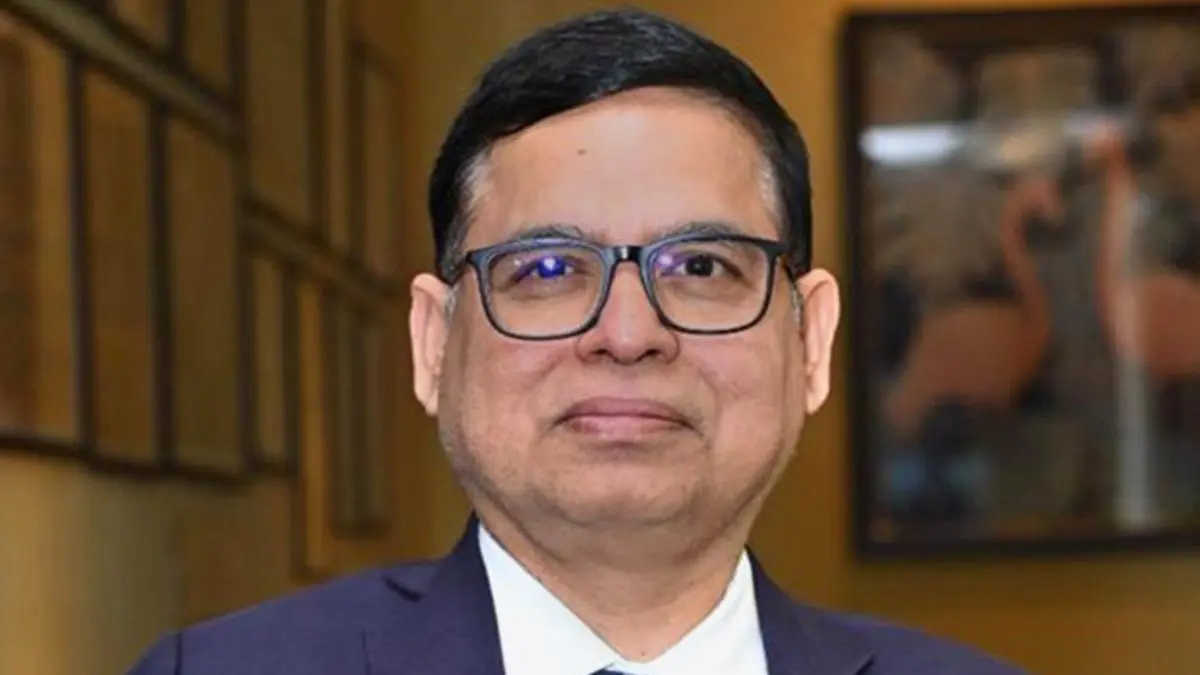
Central Bank of India is shifting its revenue strategy away from pure lending margins. MD and CEO Kalyan Kumar outlined plans to launch wealth management and a credit card business in the second half of the current fiscal year, backed by board approval. The bank is also developing a cash management product for corporate clients, set for an August launch.
For traders and investors tracking Indian public sector banks, the move signals a deliberate attempt to diversify income streams. The proximate goal: higher fee and commission income to offset margin compression, a structural challenge across the sector.
The Fee Income Gap at Public Sector Banks
Indian public sector banks have historically lagged private peers in non-interest income. Central Bank of India reported a non-interest income of ₹3,182 crore for FY24, or about 22% of total operating income – a lower proportion than HDFC Bank or ICICI Bank, where fee income often exceeds 30%.
Kumar identified bancassurance as another lever. The bank already holds a 25.18% equity stake in Generali Central Life Insurance and a 24.91% stake in Generali Central Insurance. Those stakes, acquired in August 2024 from the debt-laden Future Enterprises Ltd, give the bank a direct channel to earn distribution commissions on insurance products sold to its customer base.
Cash Management as a Corporate Anchor
For corporate clients, Kumar said that a cash management product is under development and expected by August. The logic is straightforward: if the bank can centralise cash flows for its LC, LG, and forex business through its own platform, it captures the spread that currently goes to competing banks.
"Today those technological platforms are with us. That will be one area from which we can earn fee-based income and commission income," Kumar said.
The Credit Card Entry: Scope and Constraints
Launching a credit card business from scratch is capital-intensive. The bank will likely start small, targeting existing salary account holders and long-tenured borrowers where credit risk is easiest to underwrite. Kumar acknowledged the strategy of beginning with its own corporate customers.
Risk to watch: A public sector bank entering consumer credit in a cycle where RBI has repeatedly warned on unsecured lending growth. Central Bank of India will needto manage provisioning rates carefully, especially if competitive pressure pushes it toward lower credit scores.
Timeline: RFP by Mid-Year
The bank is currently issuing RFPs to onboarding technology partners. Kumar expects the credit card and wealth management businesses to launch by mid-year – that is, Q3 FY27 at the latest, consistent with an H2 rollout.
IFSC Banking Unit at GIFT City: Forex Revenue Stream
A parallel revenue channel is the bank's IFSC Banking Unit at GIFT City in Gandhinagar. The unit is set to become operational in the first week of next month – a faster timeline than the diversified fee income products.
The IBU will offer foreign currency loans, trade finance, treasury products, and risk management solutions to corporate clients with foreign currency funding needs.
"The opening of IBU will be a significant milestone in our growth story," Kumar said, adding that it will allow the bank to "mobilise a good amount of forex business."
Why GIFT City Matters for the PSU Bank
GIFT City offers tax incentives and regulatory flexibility – no CRR or SLR requirements, exempt from capital gains tax – that make it cheaper for lenders to operate in foreign currency. For a PSU lender like Central Bank of India, this lowers the cost of sourcing dollar-denominated deposits and lending them out to Indian corporates importing or raising debt offshore.
Balance Sheet Impact: What to Measure
Traders watching this story should track three specific metrics over the next two quarters:
- Fee income as a percentage of total operating income. If it rises above 25% by FY28, the diversification thesis is credible.
- Credit card portfolio size. Compare it against peers like SBI Card or Bank of Baroda's card business. Start with absolute numbers, then look at default rates.
- Bancassurance commission income. With the bank owning equity in the insurance entities, the commission flow could be more sticky than a pure third-party distribution model.
Practical rule: Fee-based models are less capital-intensive than lending. Every ₹100 of fee income requires roughly zero risk-weighted assets, freeing up capital for higher-yielding loans or buybacks. A bank that can sustainably grow fee income to cover 30% of operating costs is structurally less vulnerable to rate cycle shocks.
How the Stock Reacts to This Shift
Markets have historically priced PSU banks based on loan growth and NIMs. A fee income pivot changes the valuation narrative. If the wealth management and credit card businesses scale successfully, the stock could trade on a price-to-book premium closer to private peers, which currently command 2.5–3.5x versus Central Bank of India's roughly 1x.
Between now and the product launches, execution risk is the primary variable. The bank faces competition from established private players and from newer FinTech entrants with better UI and data analytics. If the cash management platform or card product is delayed beyond August, the story loses a quarter of momentum.
Key insight: The IBU launch is a near-term catalyst – it does not depend on product development timelines. The fee income story is a medium-to-long-term thesis that hinges on execution, not announcement.
Summary of Key Catalysts
- IBU at GIFT City: Operational first week of next month – immediate forex revenue upside.
- Cash management product: August launch – direct impact on corporate fee income from H2 FY27.
- Wealth management and cards: H2 FY27 rollout – longer gestation but higher margin potential.
- Bancassurance: Existing equity stakes convert to recurring commission income.
The Decision Point
The next concrete marker is the August cash management product launch. If the bank can demonstrate even modest uptake within its own corporate customer base, the fee income narrative gains credibility. For now, the story is largely about intent. The data will begin confirming or weakening the thesis by H2 FY27.
Bottom line for traders: Central Bank of India is building a fee-based revenue engine to reduce dependence on lending spreads. The IBU launch is the near-term catalyst. The wealth and card businesses are longer-term needs. Execution in the next six months will determine whether this is a genuine structural shift or just a strategic document.