Cement Margins Squeezed by Cost Jump and Monsoon Slowdown
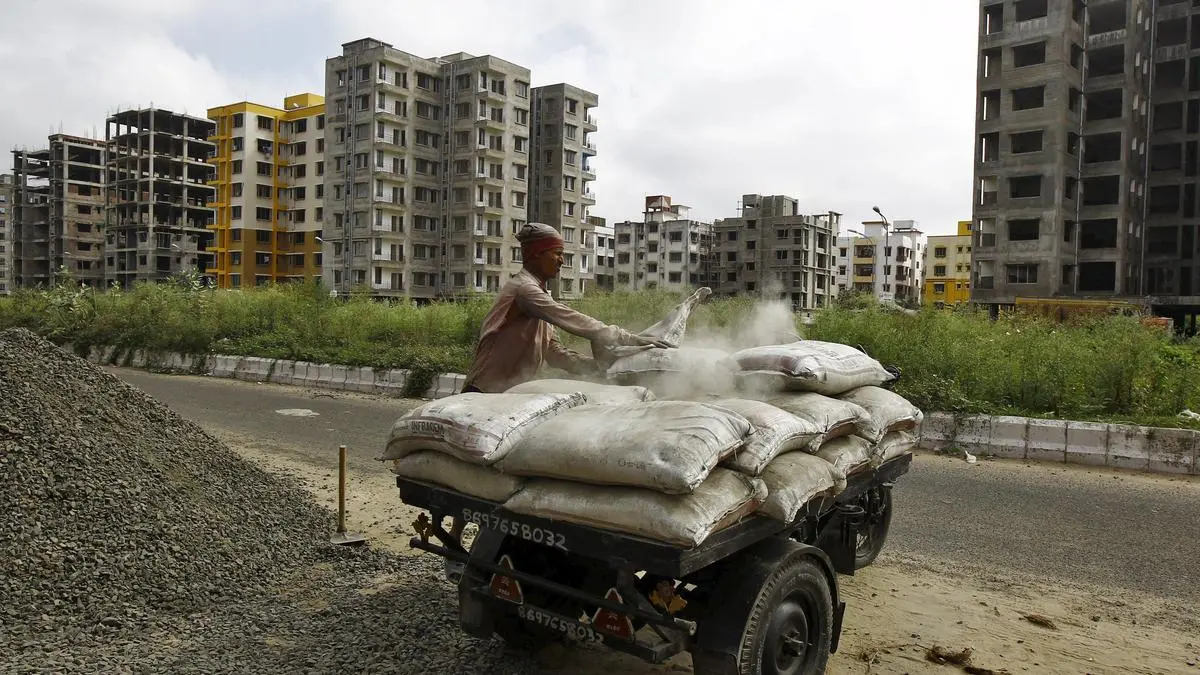
All-India cement prices fell ₹3-5/bag to ₹356 as monsoon weakens demand. Diesel hike adds to ₹350-400/tonne cost pressure that will compress margins through Q2, analysts say. A recovery is likely after the monsoon.
Alpha Score of 40 reflects weak overall profile with moderate momentum, poor value, moderate quality, moderate sentiment.
Cement demand and prices are sliding. The south-west monsoon is disrupting construction, and a ₹7.5-per-litre diesel hike is driving up transport costs. All-India cement prices dropped ₹3–5 per 50 kg bag to ₹356 in recent weeks, erasing most of the ₹12 increase from April, according to industry sources.
Diesel moves most of the industry's raw material and finished goods by road. Analysts at Choice Institutional Equities estimate a total cost increase of ₹350–400 per tonne from fuel, freight, and packaging expenses. Ashutosh Murarka, Cement Analyst at the firm, said margin pressure will persist through the June and September quarters. Without matching price hikes, that cost base will compress EBITDA per tonne and weigh on near-term profitability.
Manish Valecha, Co-head of Research at Anand Rathi Institutional Equity, pointed to a cluster of demand-side pressures: labour shortages as workers return to villages for agriculture, poor harvests, a real estate slowdown, and subdued consumer sentiment tied to geopolitical tension. Price declines have been broad based – ₹5 per bag in the East, ₹4 in the South, ₹3 in the North. The Central and Western regions held stable despite weak demand.
Saurabh Jain, Head of Fundamental Research at SMC Global Securities, said the slowdown is seasonal, not structural. Logistics expenses may rise further because of weather disruptions. He added that fuel and raw material costs should stay largely stable, offering some margin relief. A demand recovery is likely after the monsoon.
Ravi Sodah, Research Analyst at Elara Capital, said the industry has entered its seasonally weak phase with the monsoon as the key headwind. A meaningful recovery is likely only in the post-monsoon period. Pricing power will remain constrained in the near term.
Capacity additions of 40 million tonnes per annum compound the pressure on utilisation and pricing. Murarka noted that the industry projects 6–7% year-on-year volume growth for FY27, supported by infrastructure and housing demand. Near-term margins, however, depend on how long the monsoon lasts and whether fuel prices rise further.
Drafted by a large language model from the source reporting linked above, then screened by automated publishing checks. It is not read by a journalist before publication. Some articles cite our Alpha Score. Verify prices and figures against the original source. Educational coverage, not personalized advice.