Stocks● Neutral
CBSE Mandates Three Languages for Class 9, Drops Board Exam for Third
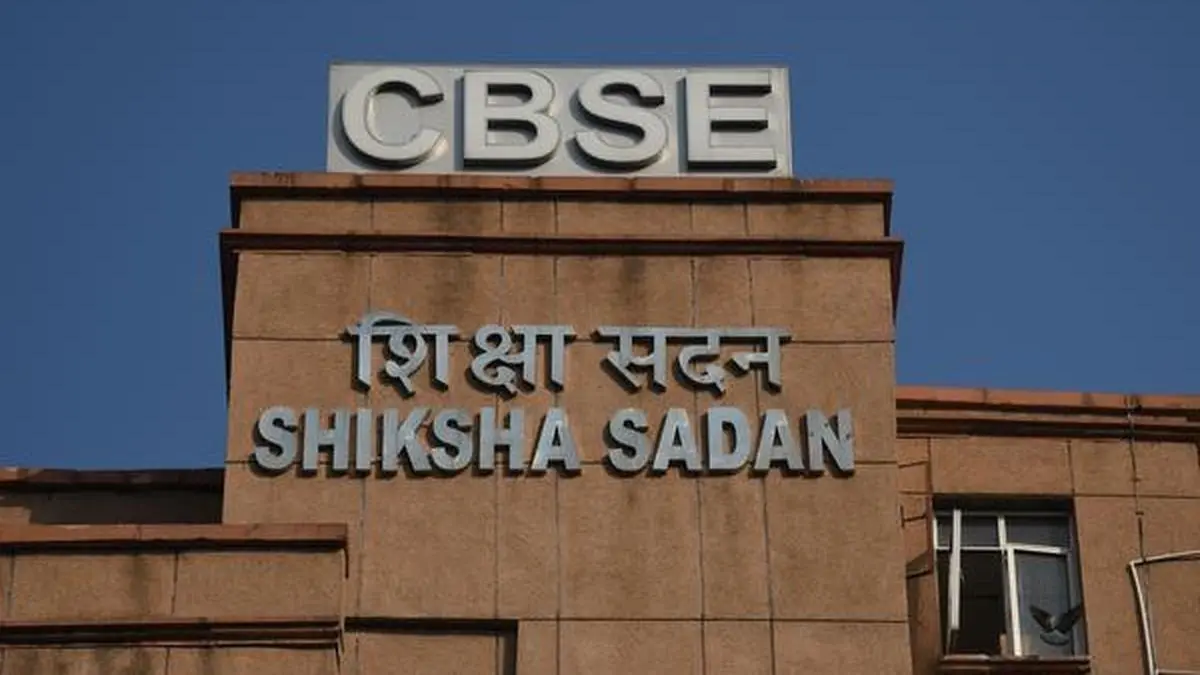
CBSE requires three languages from Class IX starting July 1, 2026, with at least two Indian languages. The third language has no Board exam, only school-based assessment.
Continue with
The Central Board of Secondary Education (CBSE) has mandated the study of three languages for Class IX students starting July 1, 2026, in line with the National Education Policy (NEP) 2020 and the National Curriculum Framework for School Education (NCF-SE) 2023. The third language (R3) will not have a Board examination in Class X. All R3 assessments will be school-based and internal. Schools that lack qualified language teachers now have 13 months to bridge gaps through interim measures.
The Mandate: Three Languages, Two Indian
The circular, issued May 15, requires at least two of the three languages to be native Indian languages. Foreign languages can only appear as the third language if the other two are Indian, or as an optional fourth subject. Schools may choose any language from the CBSE list of subjects, provided the two-Indian-language condition is met.
Key numbers in the policy:
- Effective date: July 1, 2026 for Class IX.
- Board exam exemption: Class X R3 uses only school-based assessment.
- Textbook transition: Class IX students will temporarily use Class VI R3 textbooks until dedicated secondary-stage books are released.
This structure keeps the third language outside the high-stakes Board exam system while making its study mandatory. The CBSE said the goal is to "keep the focus on learning and reduce any undue pressure on students."
Implementation Risks: Teacher Shortage and Interim Measures
The policy’s most concrete challenge is staffing. The circular explicitly acknowledges that schools may face "shortages of qualified language teachers." To address this, CBSE allows four interim measures:
- Inter-school resource sharing.
- Virtual teaching support.
- Engagement of retired teachers.
- Hiring qualified postgraduates on a temporary basis.
What the teacher gap means for schools
The interim measures are stopgaps. Inter-school sharing works only when nearby schools have surplus teachers in the required languages. Virtual support assumes stable internet and student access to devices–a constraint in rural or low-infrastructure settings. Retired teachers may not be available in every language or region.
Practical rule for investors watching education-linked sectors: the more schools rely on these temporary fixes, the higher the risk of inconsistent R3 instruction quality and potential parent pushback.